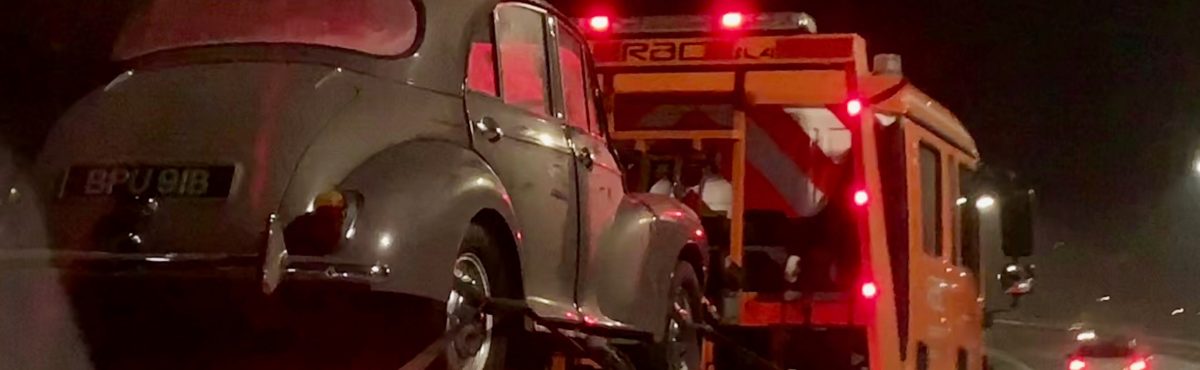
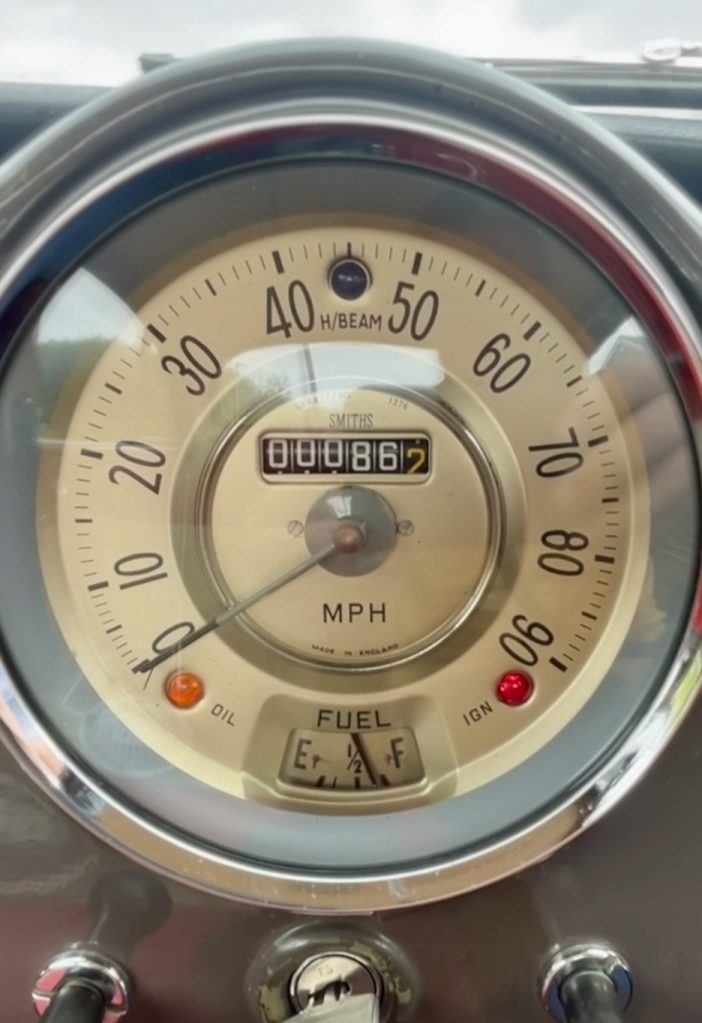
Last month for my birthday I decided to go on a little road trip, with the ultimate goal of driving the car to Lands End, the English mainland’s westernmost point. With the speedometer having recently been replaced and now displaying the correct speeds, and counting miles correctly, I set off, starting with only 86.2 miles on the clock.
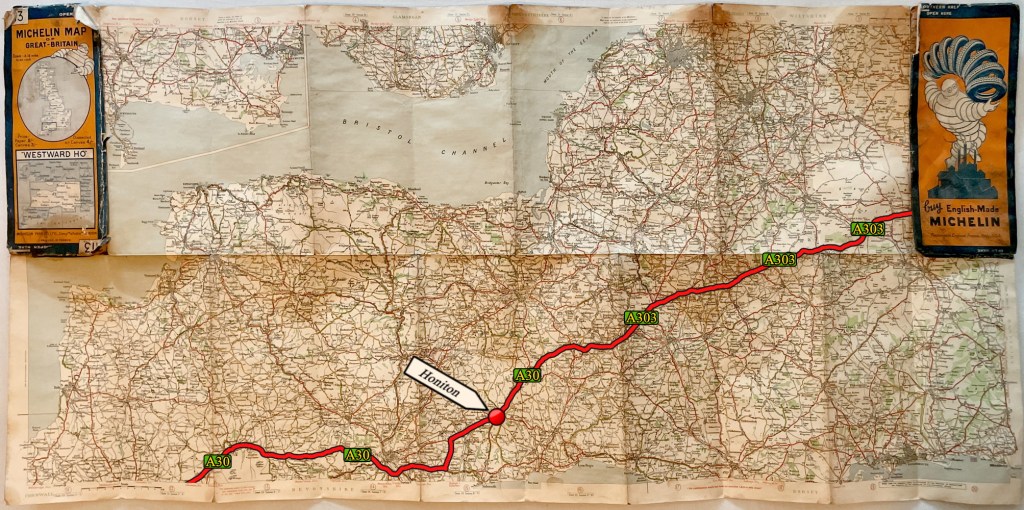
The journey started around 1:30pm on July 28th, with the aim of reaching Honiton by the evening. The route I took was via the M25, joining the M3, turning off onto the A303, and eventually A30 for the rest of the drive.
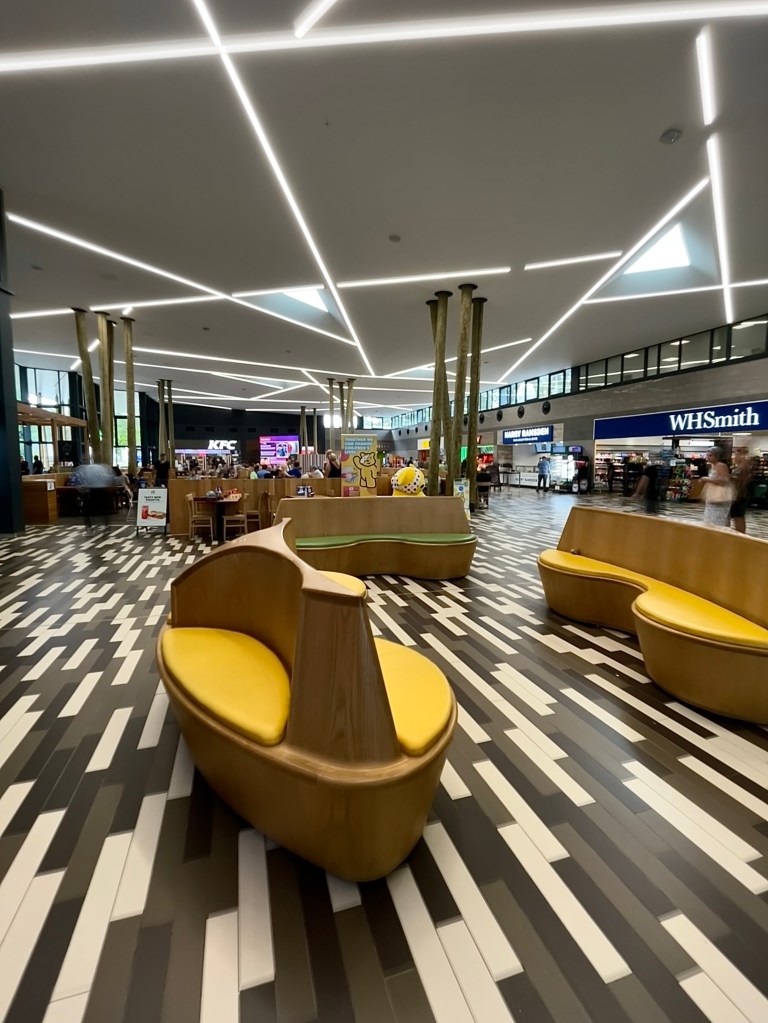
The motorway sections at the start of this journey were fairly boring, and I didn’t see much of note other than an Emirates A380 passing overhead on it’s final approach for runway 09L at Heathrow. As I continued down I stopped at Fleet Services, the westbound building of which has been rebuilt to very modern standards after the old was destroyed by a large fire in 2016. It’s not quite Cobham, but it’s a huge improvement on what was there, especially when compared to the eastbound side.
About another hour further down the route I approached Stonehenge. Here the A303 narrows to one lane in each direction, making it a well known bottleneck on this, one of the most popular routes to reach the Southwest of England.

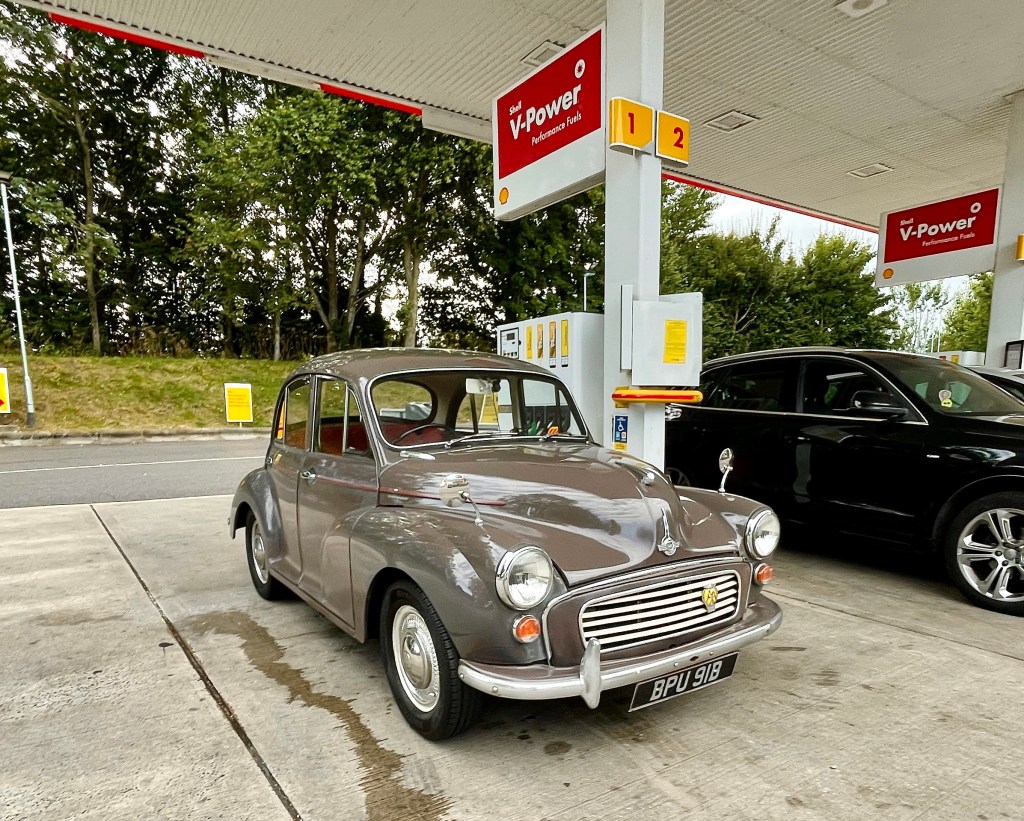
Even though I could’ve probably made it to Honiton on a single tank, I stopped at Ilminster services for fuel just to be on the safe side, eventually arriving at my Premier Inn just before 7pm.
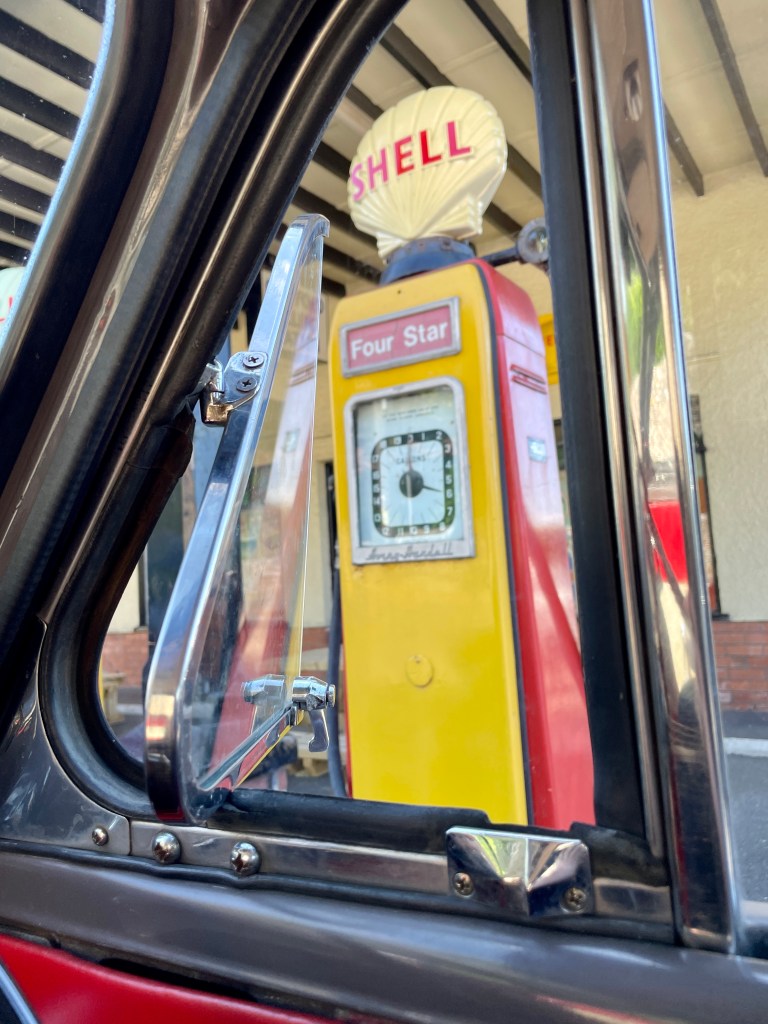
The following morning I made a slight backtrack, heading south-east, down to Colyford, to see it’s famous filling station. Unfortunately a modern car was parked in-front of the row of five 1950s Avery Hardoll fuel pumps, ruining the all-important shot, but it was good to see a relic of British motoring history having been restored and maintained so nicely, and outside of a museum, where it was intended.
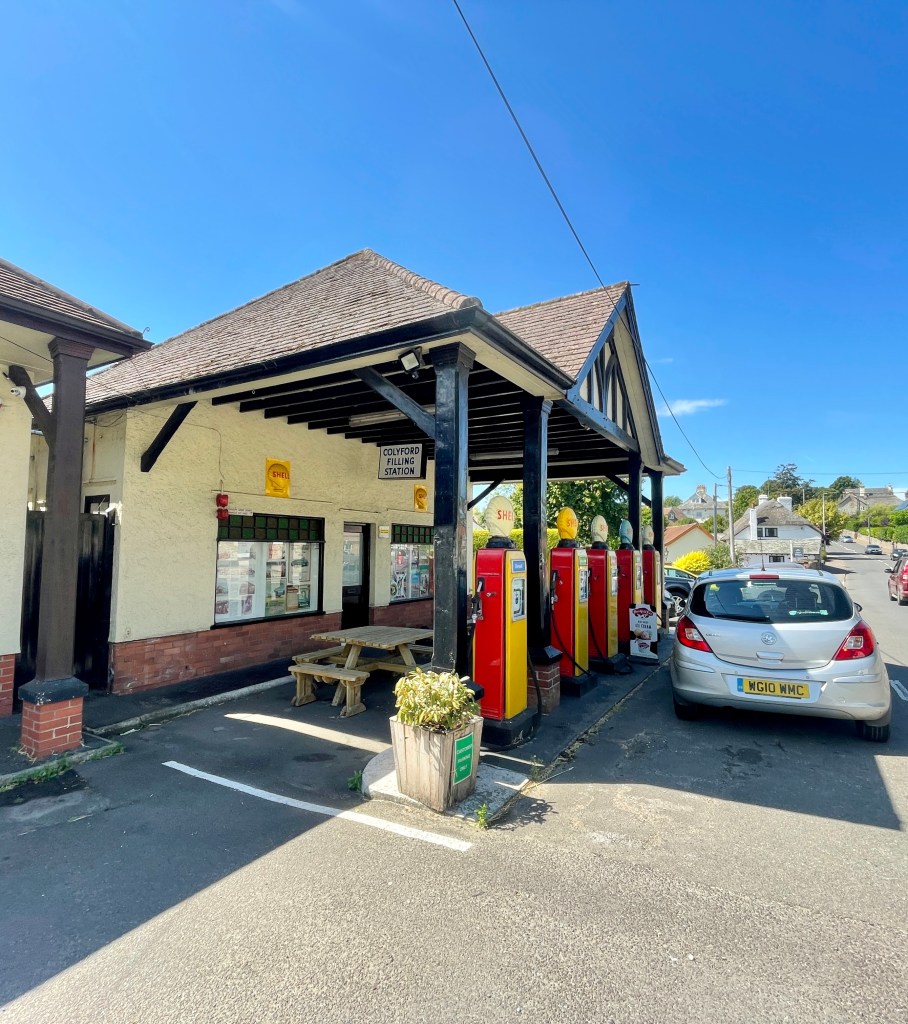
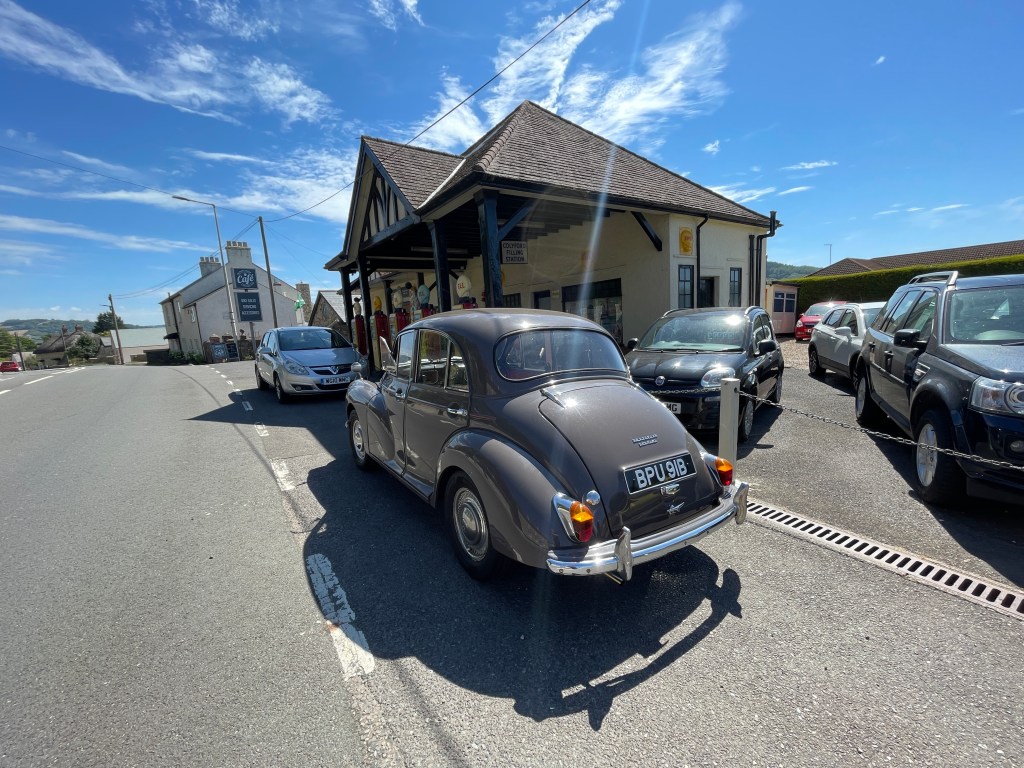
Built in 1927 or 1928 to the designs of Fredrick Kett, Historic England note it “as a rare surviving example of an 1920s architect-designed filling station, intended to be sympathetic to its rural location, reflecting concerns about the spoliation of the countryside in the early days of the motor industry“. To me it is reminiscent of the sort of roadside scene you might better expect to see along Route 66.
Moving on, making another slight detour, about 14 miles west of Colyford is another staple of UK motoring history. Once a common sight on the UK road network, with at least 862 installed by 1962, the iconic black and yellow AA box, sometimes called ‘the lighthouse of the road’ would’ve been a welcome sight for many travelers.
Today, this one at Halfway House on the A3052 is one of only 19 or so that survive in situ, with many of those being in the remote highlands of Scotland, away from where they may otherwise be disturbed, or where simply it was more cost-effective and easier to leave them in place.
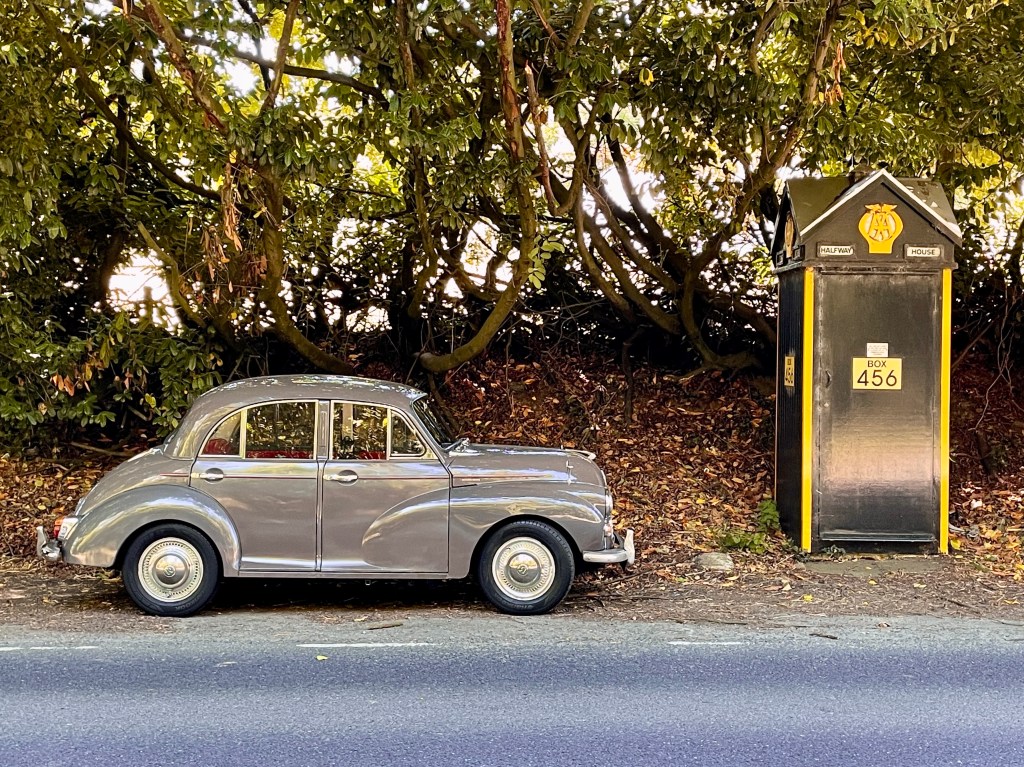
Founded in 1905 to help motorists avoid police speed traps, The Automobile Association started installing their first primitive sentry boxes on the UK’s roads in 1911, at a time when motoring was still purely a hobby. Halfway House box (Box 456) is of a later and more refined design, dating to around 1930.
The square timber structure would once have been the operating base for a local AA patrol, and was accessible around the clock to any motorist who held an AA or RAC membership, with which came a universal key for all of their pooled kiosks. Inside were lamps, fire extinguishers, local maps, fuel, and a telephone which motorists could use to place local calls free of charge, or of course to call for assistance.
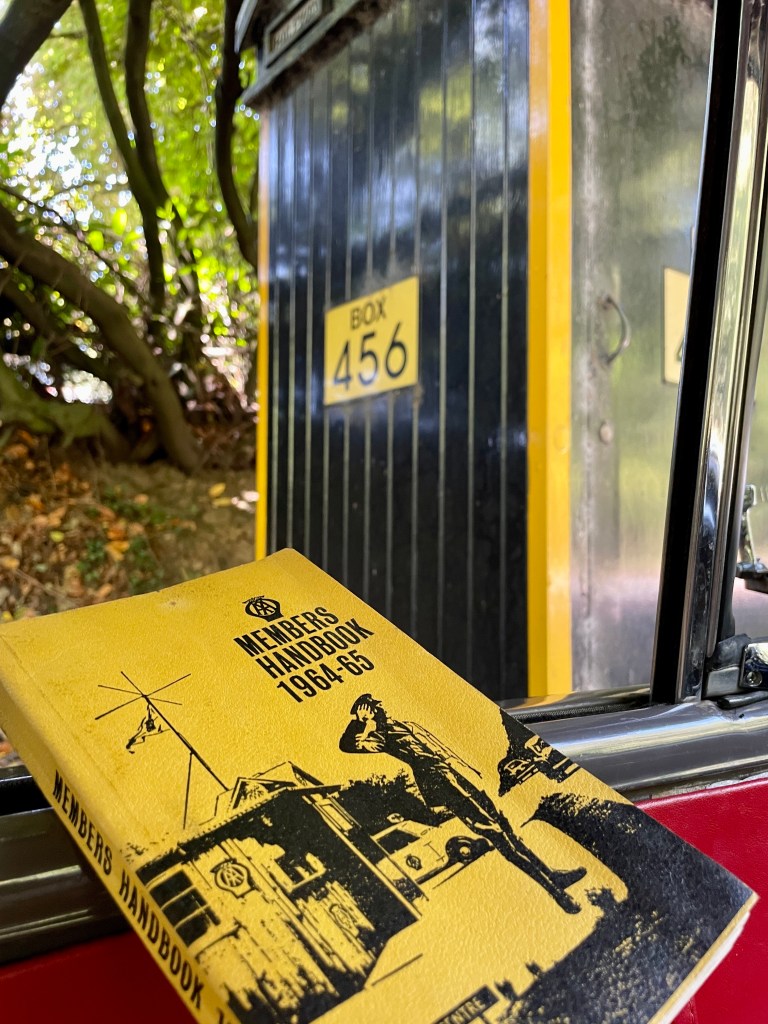
The last sentry boxes were installed in the 1960s, with more modern pedestal phones becoming more common. With mobile phones becoming more popular in the early 2000s, the AA pulled the plug on the roadside phone network in 2002. Box 456 is now a listed structure, and has been restored to it’s original condition.
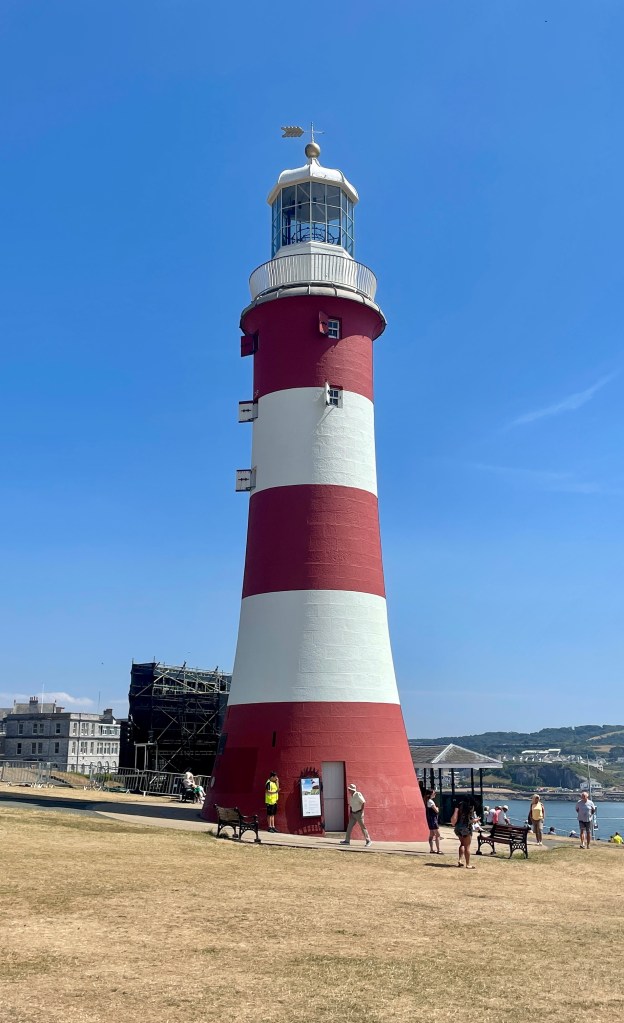
After this, I skirted around Exter on the M5 for about 3.5 miles before getting back on the A30, where save for a quick trip down to Plymouth to see Smeaton’s Eddystone lighthouse, and to get very sunburnt whilst watching the SailGP sailing race, I concluded my Devon trip. Next stop: Cornwall.

 morrisminor.uk