Horn-press assembly

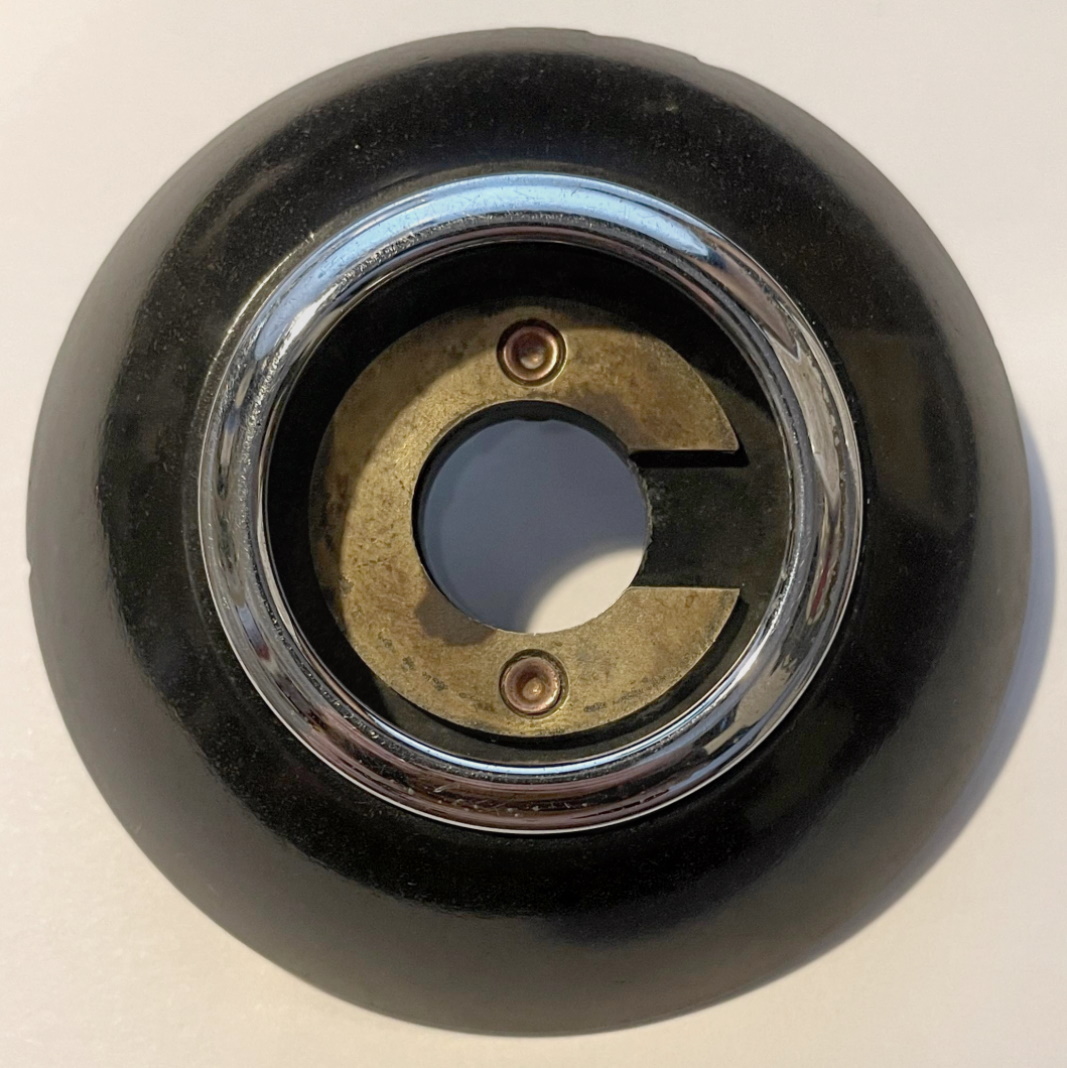
One of the few pieces in the car that let down it down was centre of the steering wheel, or more specifically the horn-push assembly.

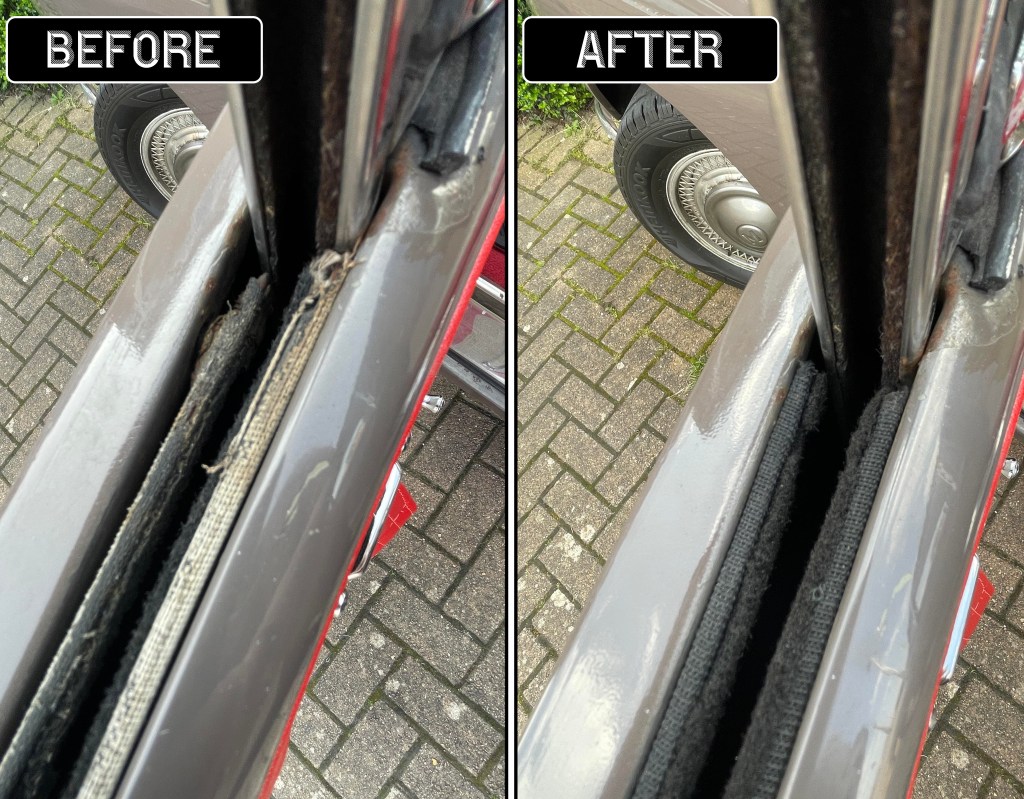
Before and after a good polish of the surround, and the installation of a reproduced motif.
Use the slider to view the before and after.
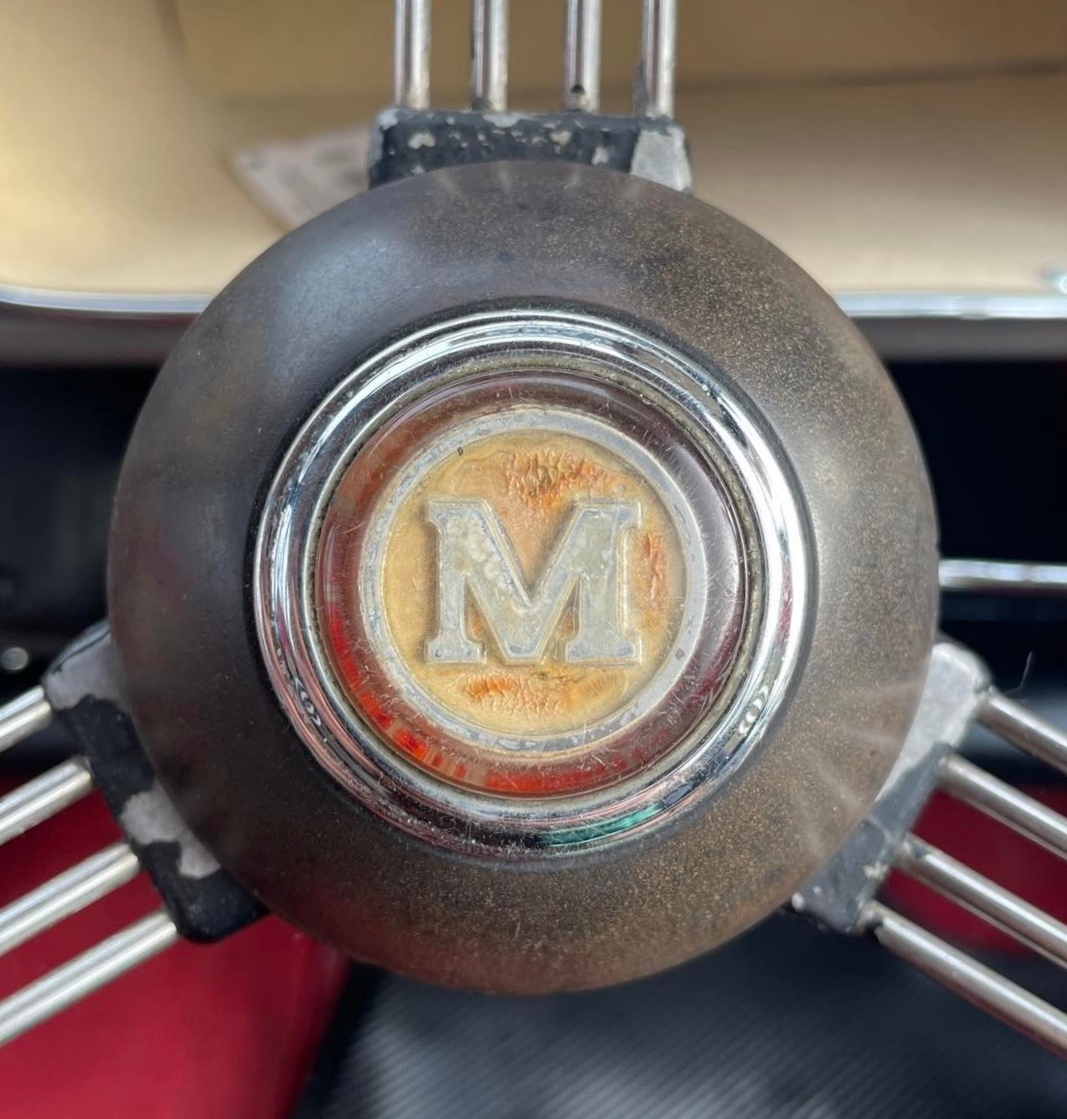
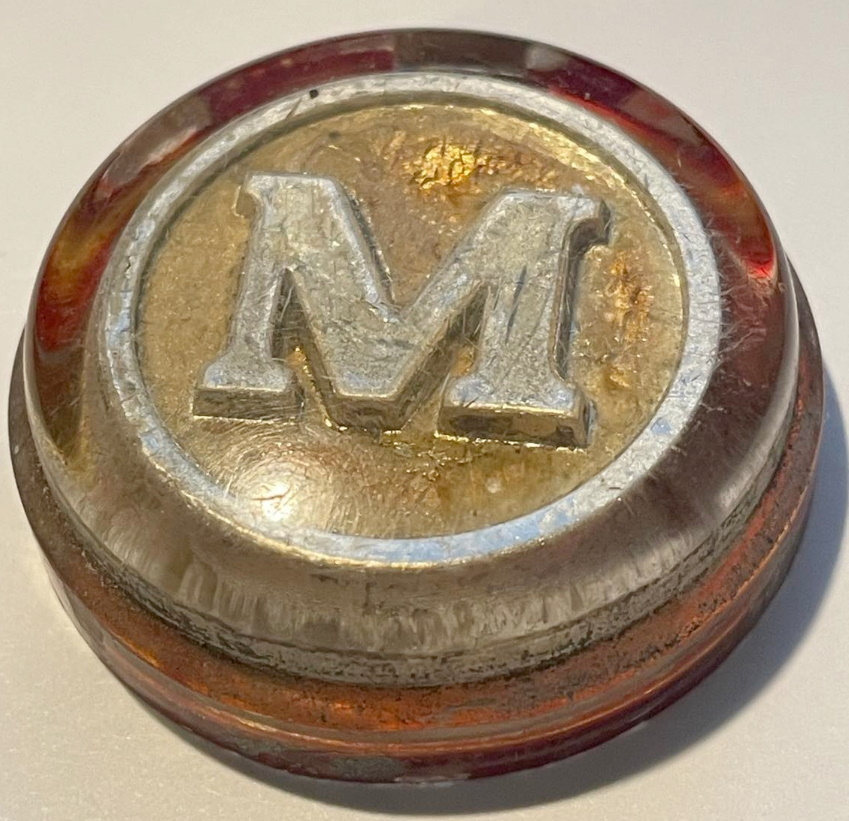
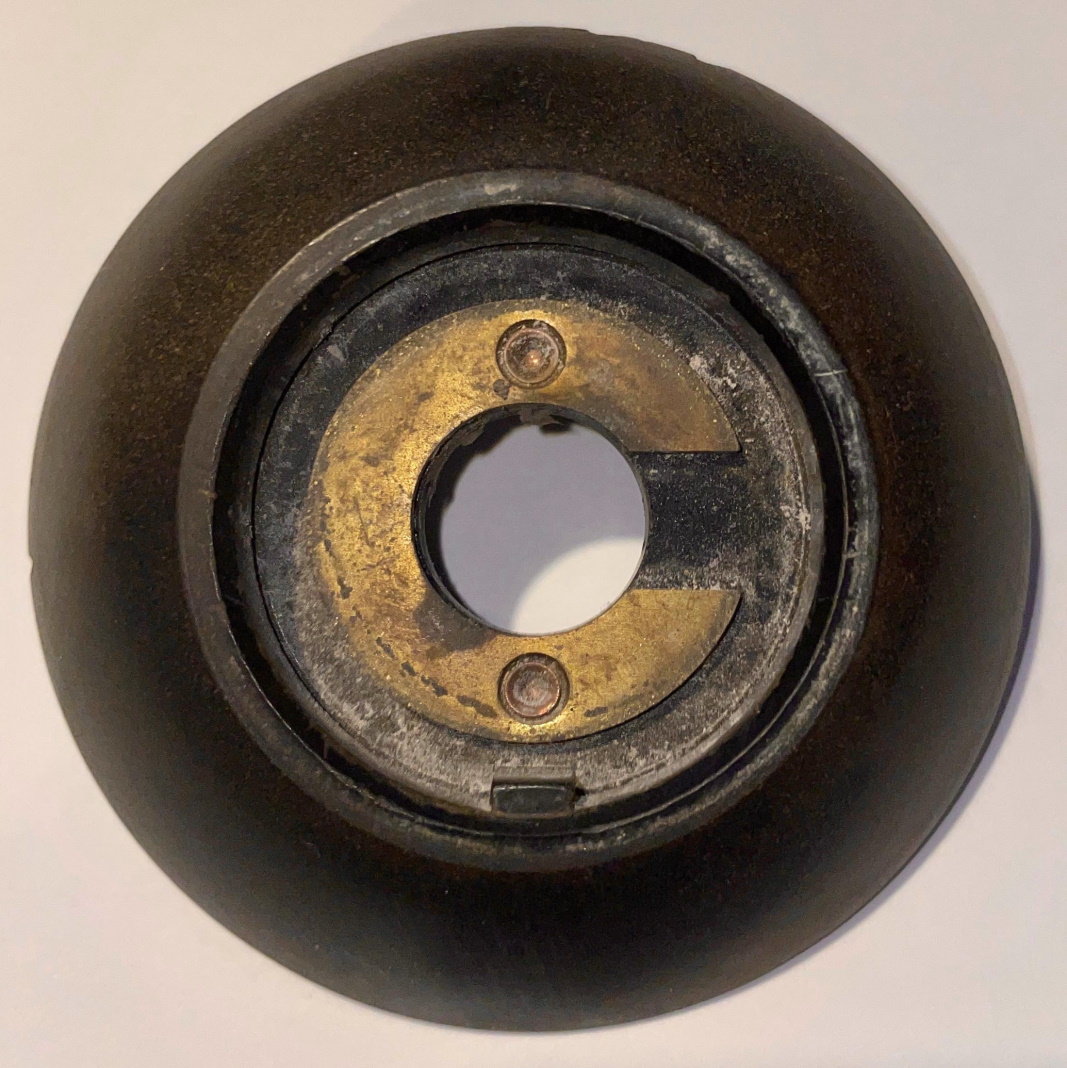
Firstly, the Bakelite outer part has become pitted and speckled, presumably from being in the sun for so many years, and the Morris ‘M’ motif had cracked and faded over time. I used some metal polish and a rotary tool to shine it up. I had been recommended Greygate Paste Polishing No. 5, an abrasive paste designed for GPO, used for maintaining rotary telephones. I’ve ordered some and will try it out at a later date.

Using some polish and a rotary polishing attachment for a power drill I was able to buff the Bakelite surround to an almost glossy finish, transforming it. Use the slider to view the before and after.
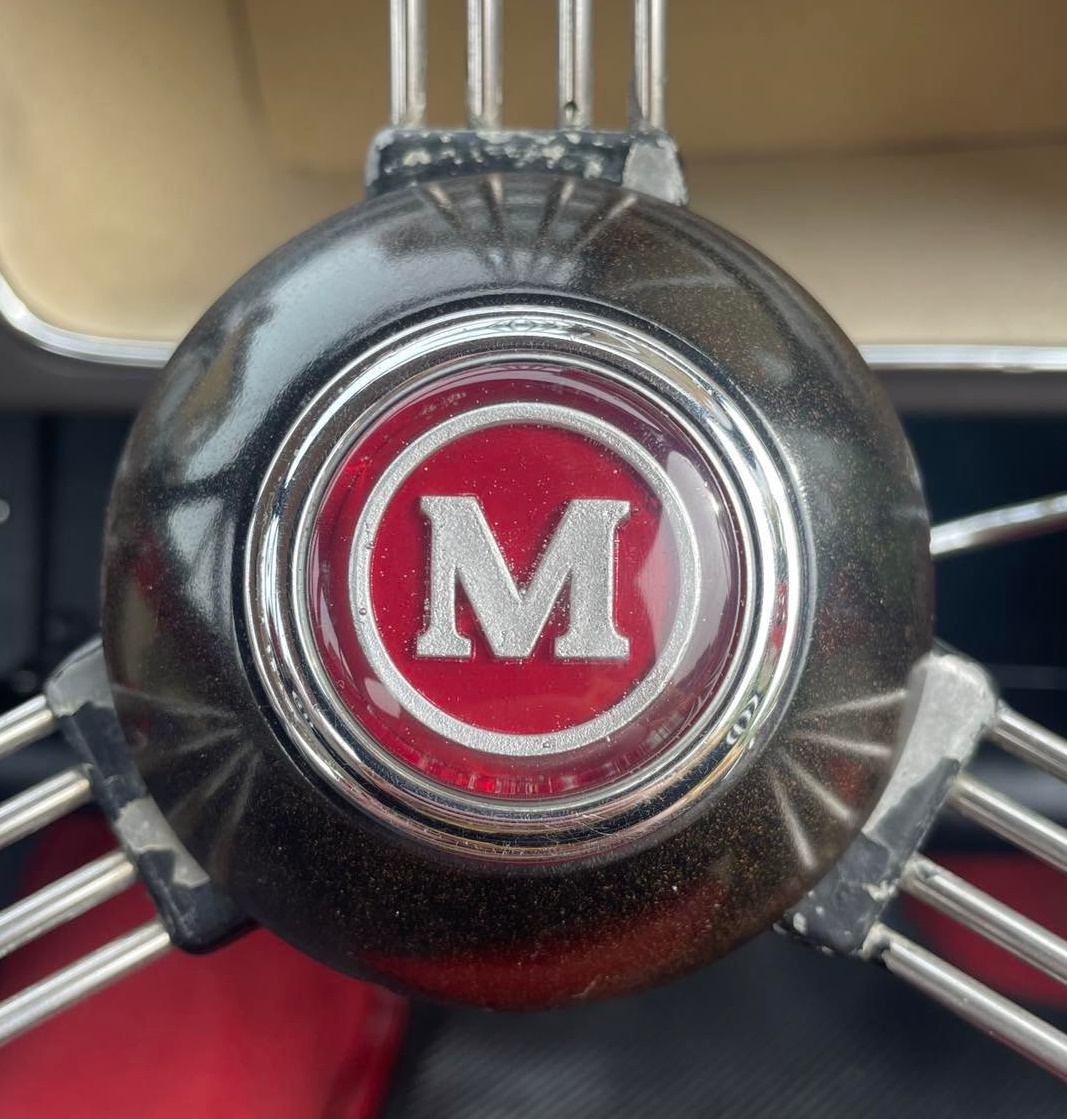
The correct type of ‘M’ for my car was used up till some point in 1964, and it has proved fairly difficult to get a replacement, but I was able to find one of a limited batch of just twenty reproductions, on on eBay.

Whilst I waited for it to arrive, I tried the fabled olive oil technique, where you place the button face-down in olive oil and it is supposed to rejuvenate it – others have seemingly had luck, although i think mine was beyond such help, as the already damaged paint flaked off pretty quickly.

Rather fortunately the new part arrived fairly quickly, so I installed it right away, and it makes the world of difference, as can be seen in the first image.

In essence this piece is just a piece of clear plastic that is painted on the inside, so with a steady hand and a small brush it should be fairly straight-forward to restore a damaged one if you remove all the paint inside. At some point I will get some silver and red paint and restore the original one, and keep it as a spare.

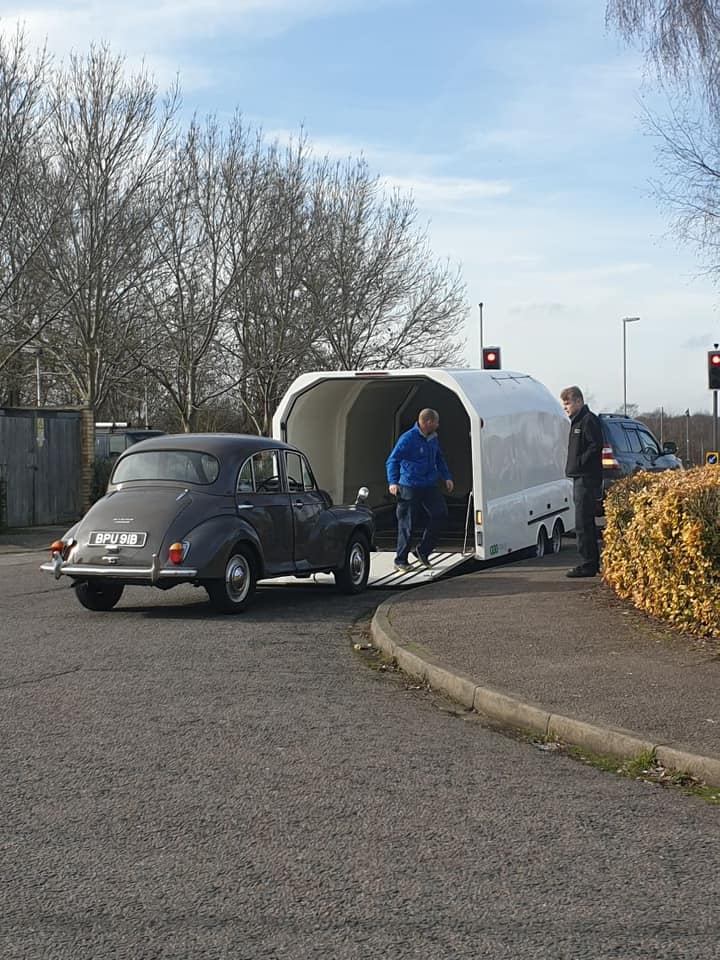
Restoration complete: the collection trip

The day finally arrived. After 2 years, 8 months and 20 days after the gearbox obliterated itself and seized the engine, it was all sorted and finally time to collect the car from the Morris Minor Workshop in Stonegate, Sussex. It’s worth noting that the work didn’t take all that long, as it was in storage for a lot of that time, and by the time work started, it was worked on alongside several other Morris Minors.

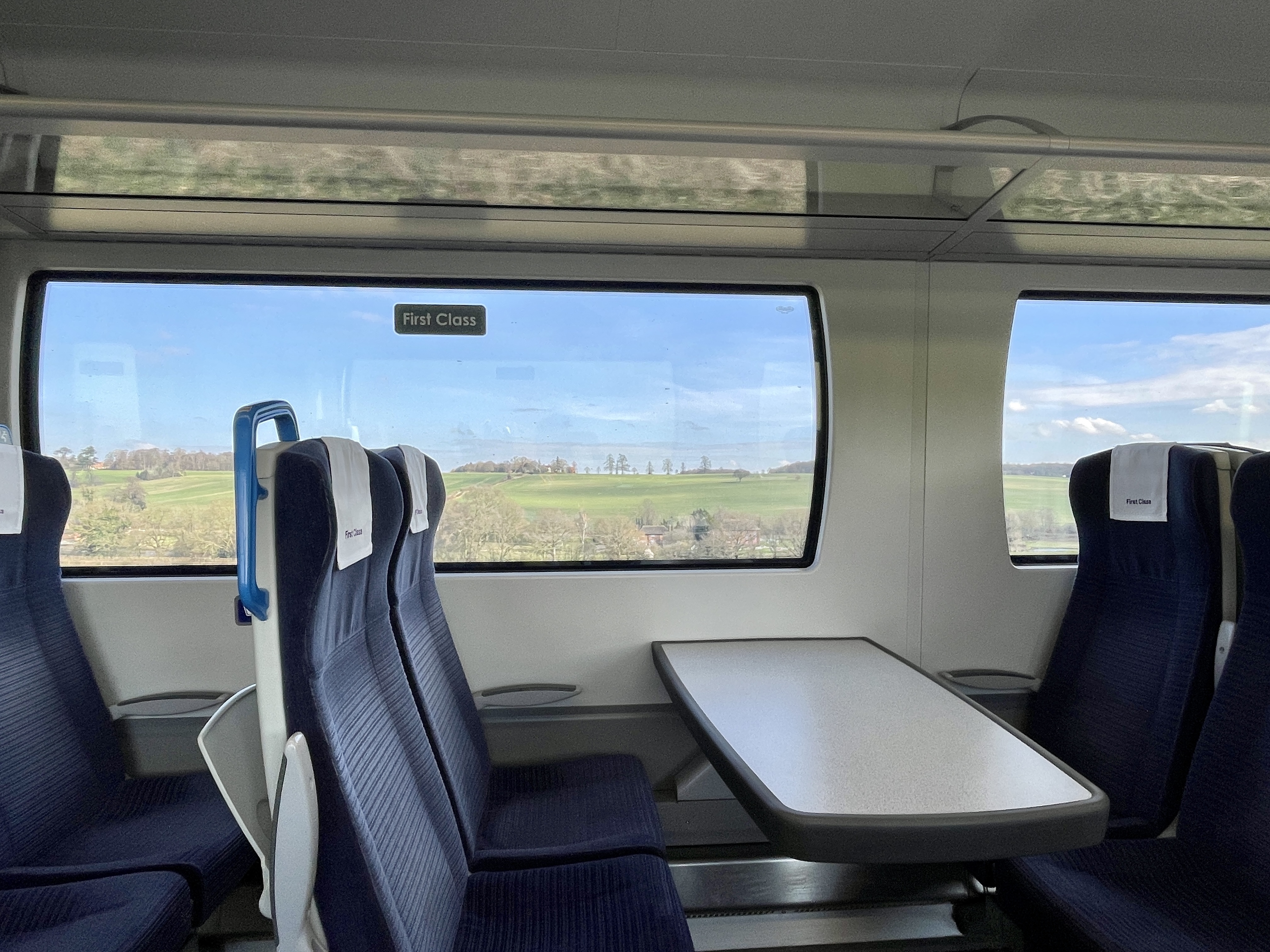
The journey began after I finished work, around midday, and I expected it would take around 2½ hours.

The first leg covered the Midland Mainline from Luton to London, where I would need to pick up another train – or that was the plan. Instead, I made the mistake of boarding the slow train, stopping at all of the suburban stations.

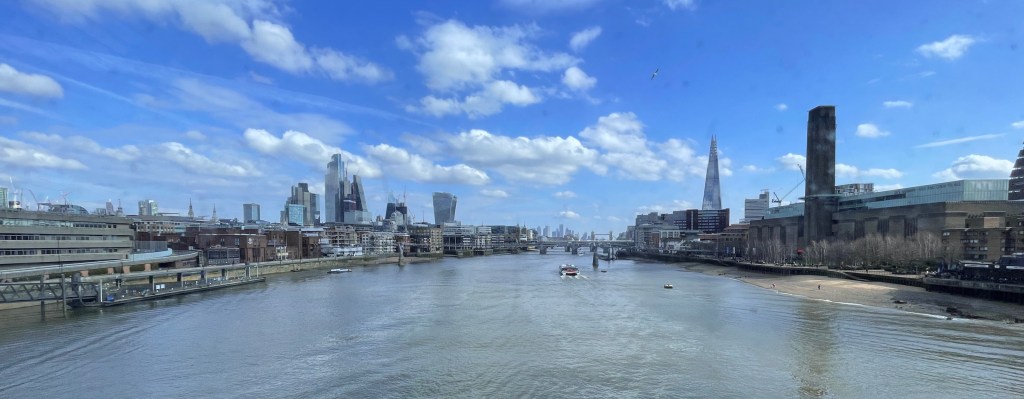
This also necessitated an extra change at Blackfriars, as it was heading to Brighton, and therefore wasn’t passing London Bridge. At least the platforms at Blackfriars have a good view!

The view from Blackfriars station, the platforms of which span the Thames.

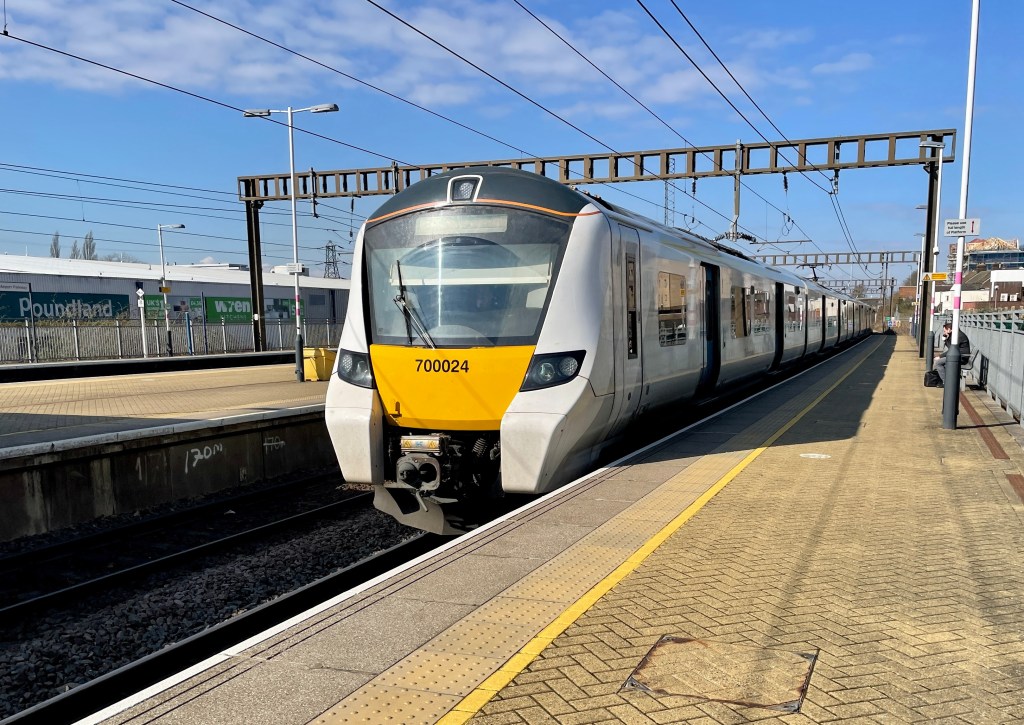
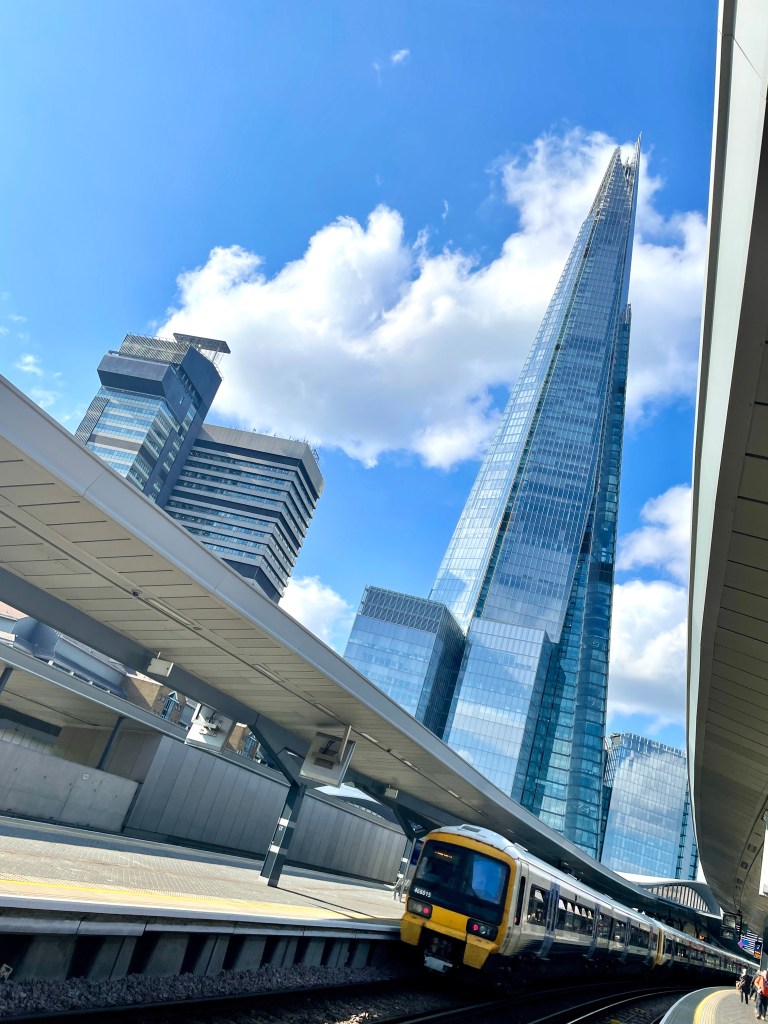
Once at London Bridge I had an approximately 50 minute wait for the Hastings bound train that would take me to Stonegate. The new London Bridge station opened fully in 2018, and is very modern compared to its 1850s predecessor.

The brutalist Guys Hospital tower (left) and The Shard (right) stand overlooking London Bridge station.

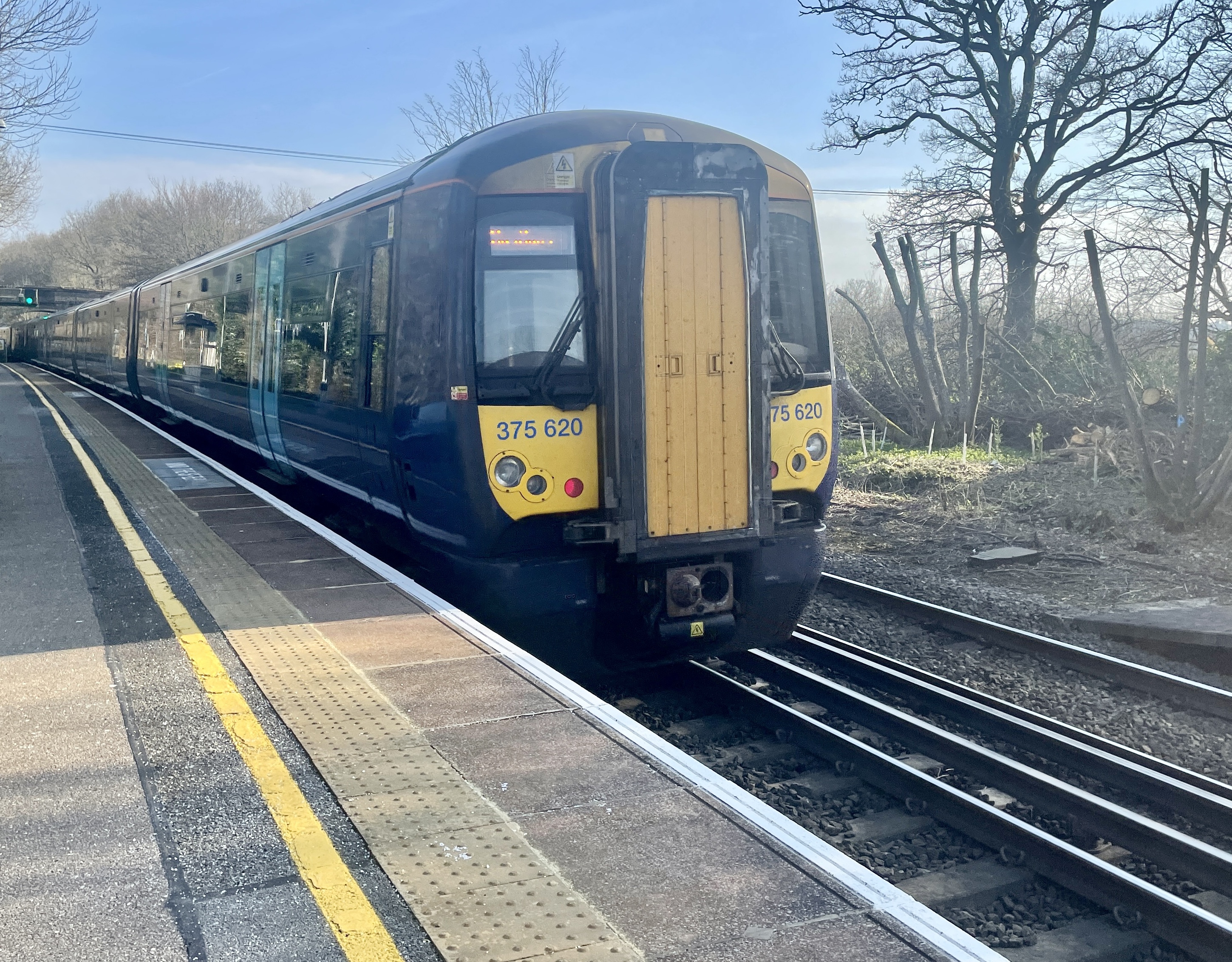
I arrived at Stonegate at 2:55pm and soon after I was picked up in my car and driven back to the workshop where I had a look around the car in more detail and settled up the final sum.

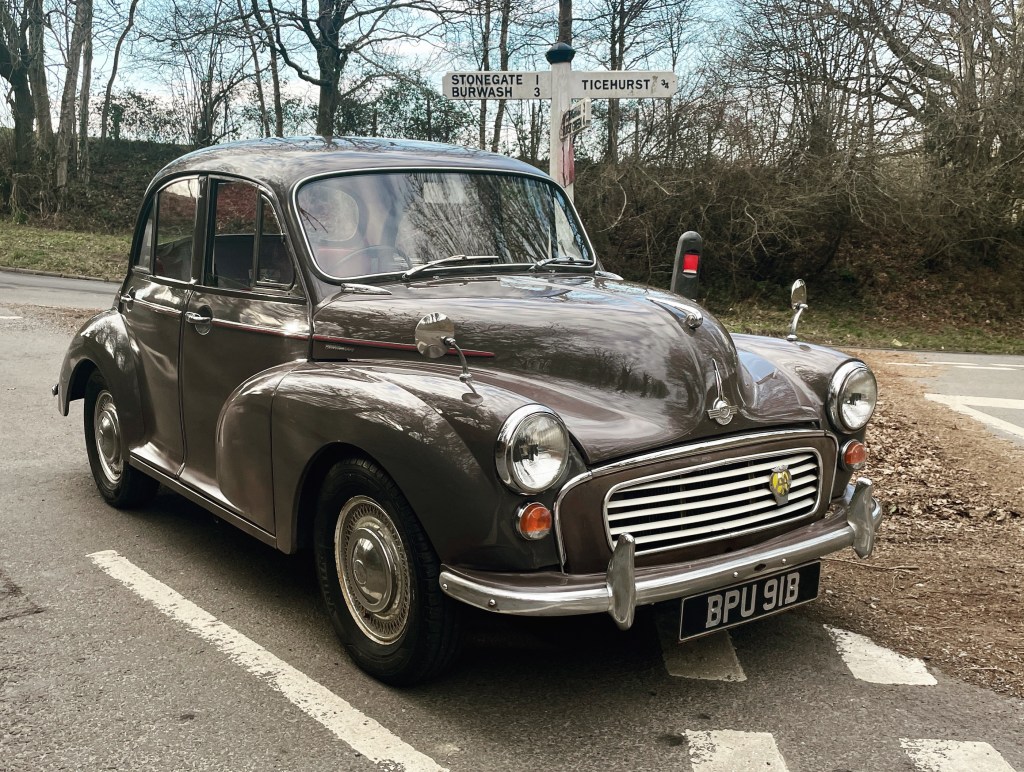
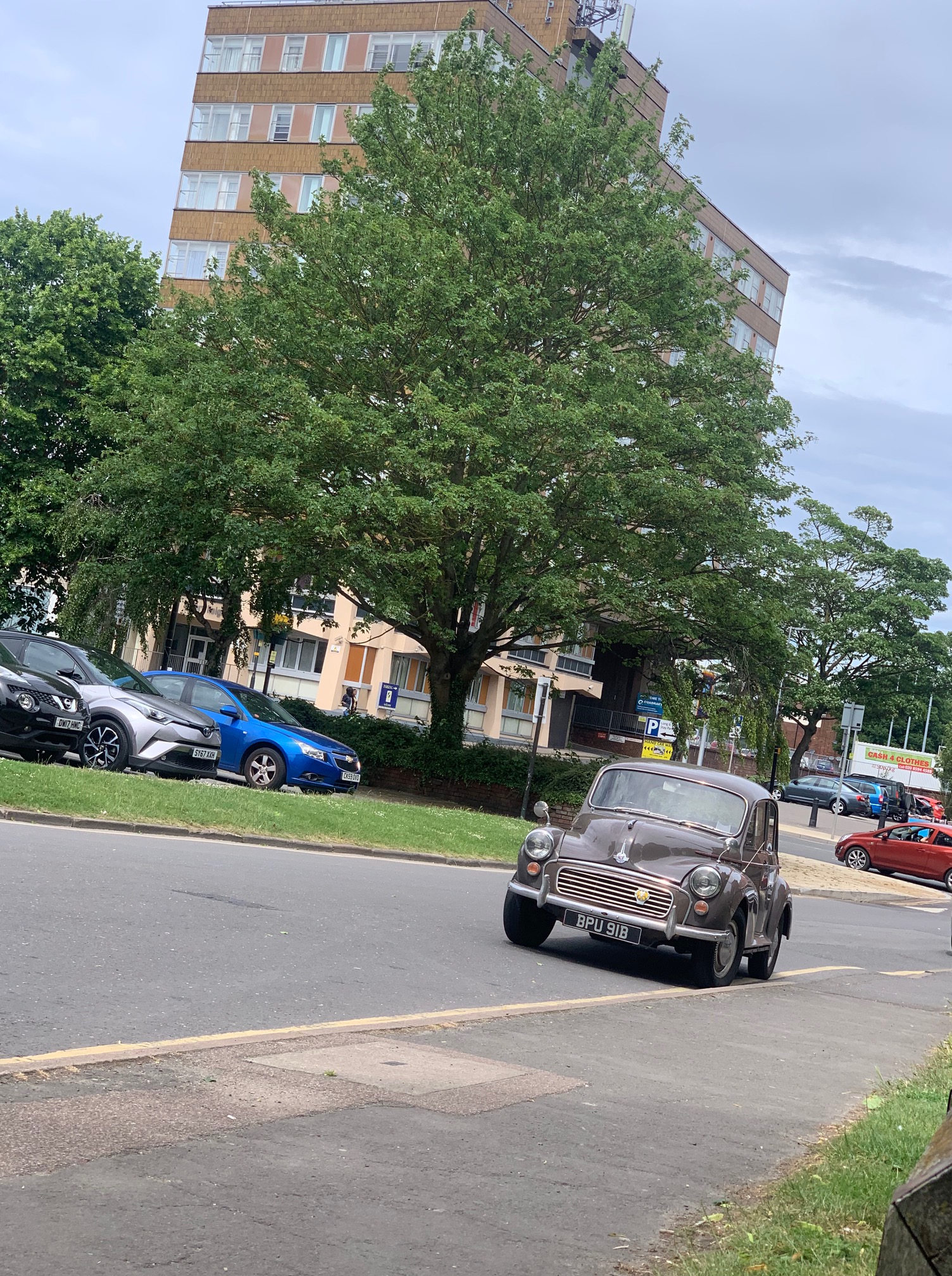
Parked on a junction just East of Stonegate, having just left the ESM site.

Unfortunately by this point my phone was exceptionally low on charge, so I was unable to take many photos in the scenic East Sussex countryside, however the journey home was as good as any to try out my new Garmin Mini 2 dash cam.

Crossing beneath the Thames at Dartford: I hadn’t realised the sound wasn’t on, but the footage this dashcam produces is great quality for such a small discreet camera.

The car ran flawlessly for almost the whole 100 mile return trip, until the last 5 miles or so when it developed a squeal whilst sitting in standstill traffic on M1. The squeal turned out just to be the result of slack in the fan belt, and was fixed in a matter of minutes.

I arrived home at just after 7pm, and am very happy with the work that’s been done. More will follow in the next update.

Restoration Update: Welding and Painting complete

Earlier in the week I received an update from Steve at ESM. Work on the car is coming along steadily, and i’m more than happy with what they have achieved!

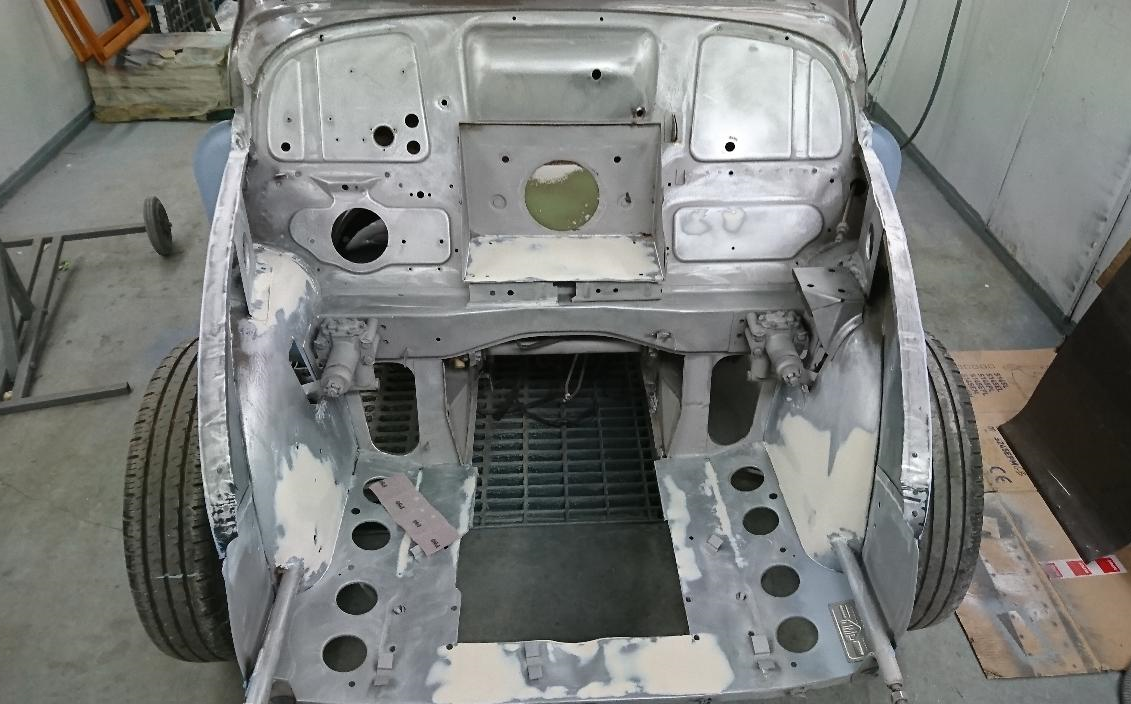
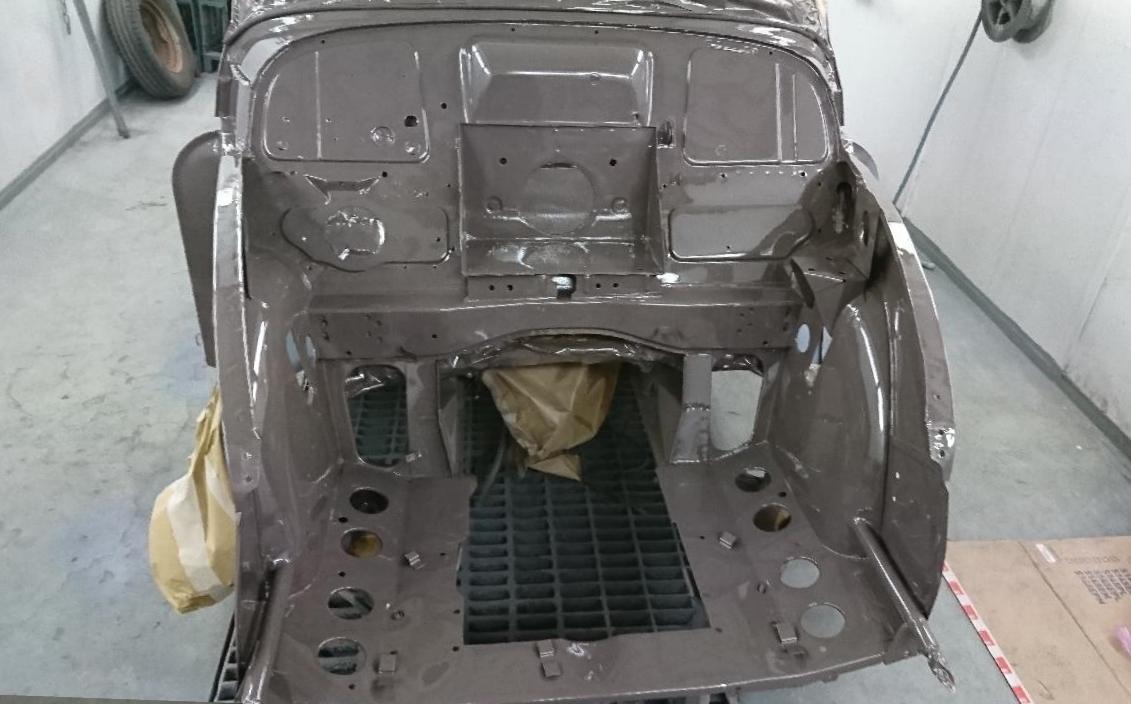
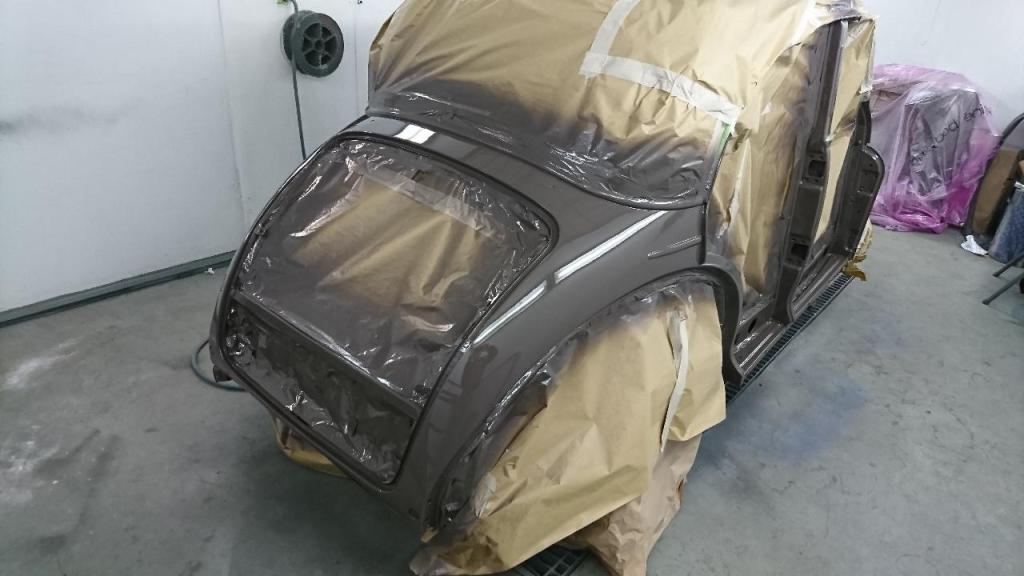
By April 29th 2021 all of the welding had been completed, and now all of the painting is complete too, so the car is looking more and more as it should.

Fresh paint! Use the slider to view the before and after.
The next steps will involve the reassembly, including a new (well, refurbished) gearbox going in, along with the freshly painted engine, new break lines, doors, interior insulation, new headlining, and a heap more. Still a way to go, but it’s certainly coming together.
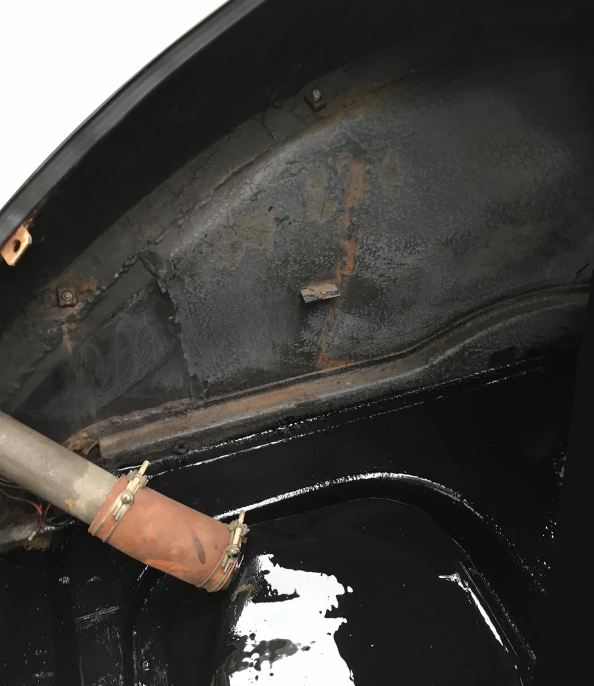
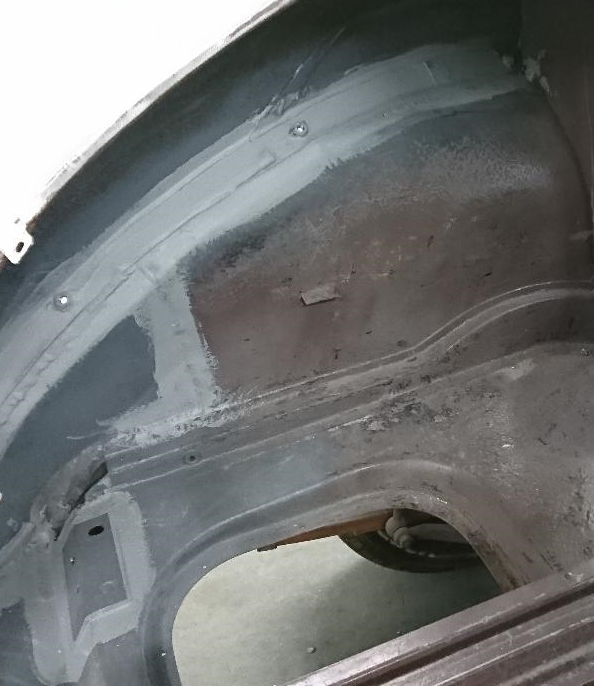
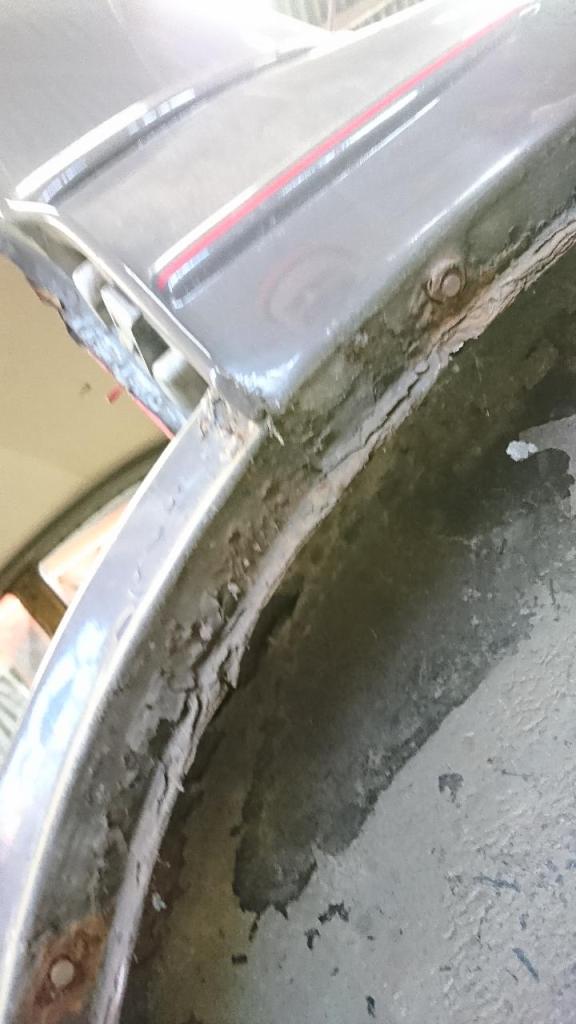
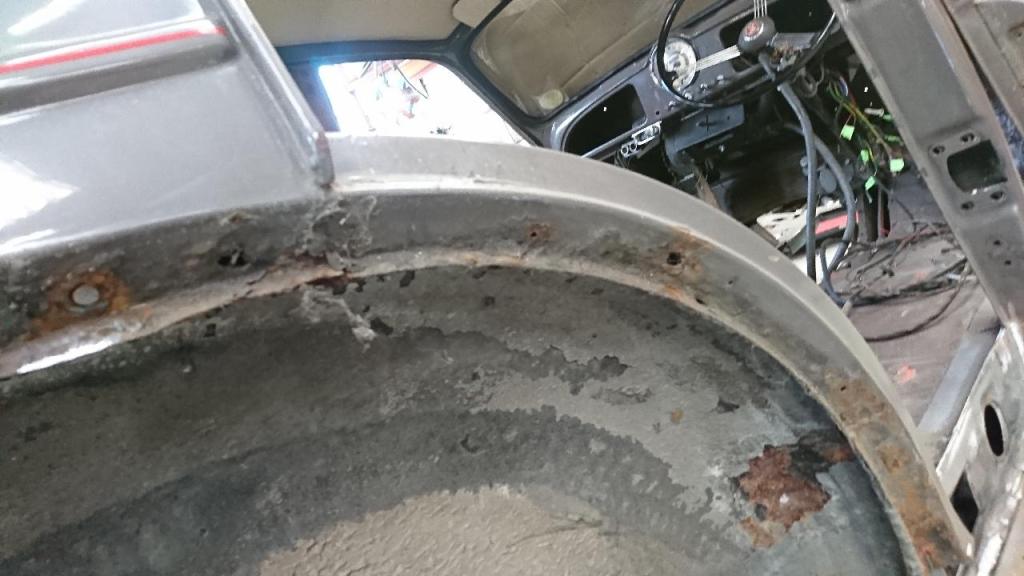
The new rear arch flange on the left side can be seen here.

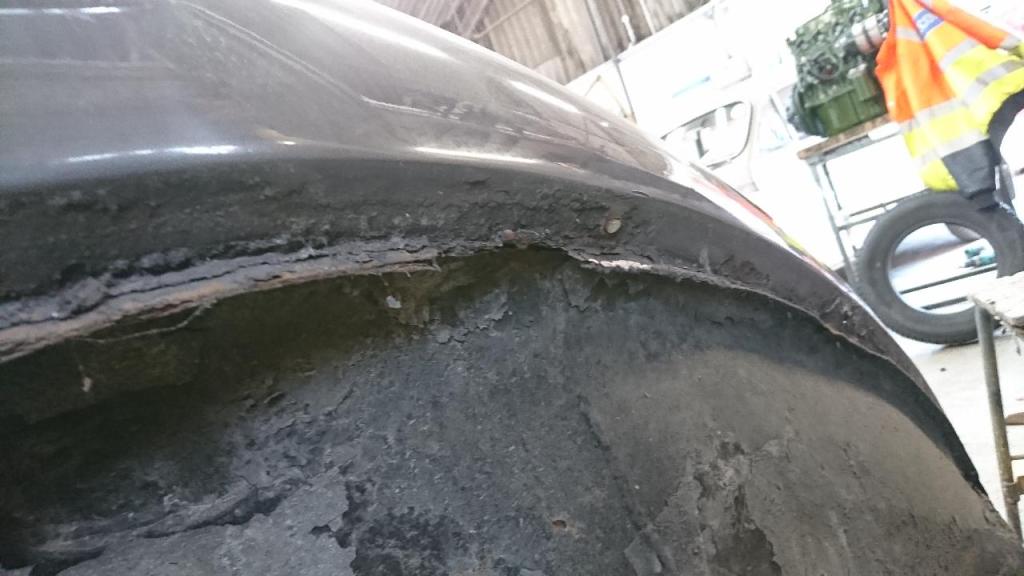
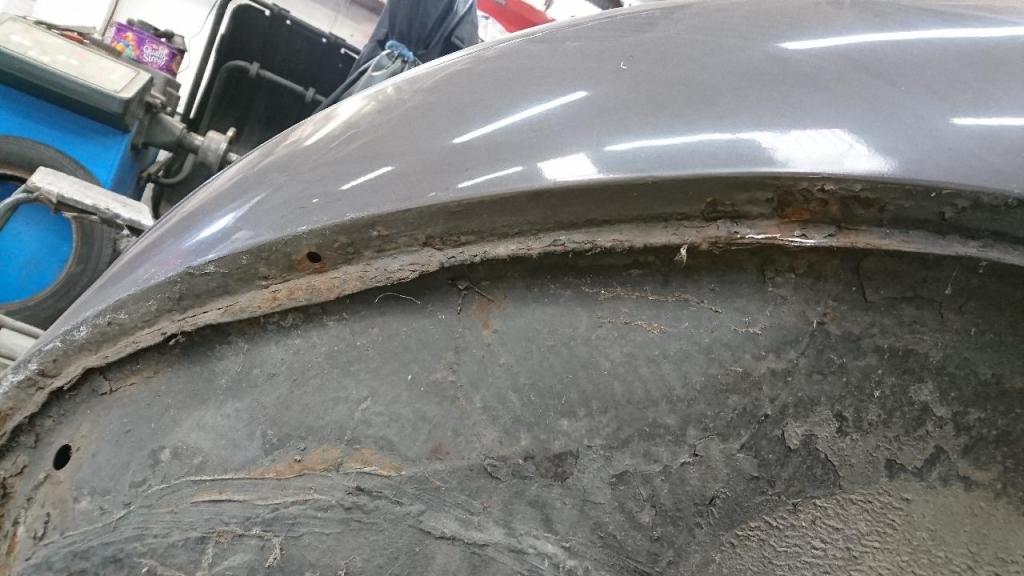
As per my last post you might recall that the rear arch flanges were pretty rotten and crumbly. Upon further investigation it turns out these points were very thin and by the time the worst of the rot had been cut-out there wasn’t much left anyway, so these have now been replaced with new panels.

Before: 2016, After: 2021
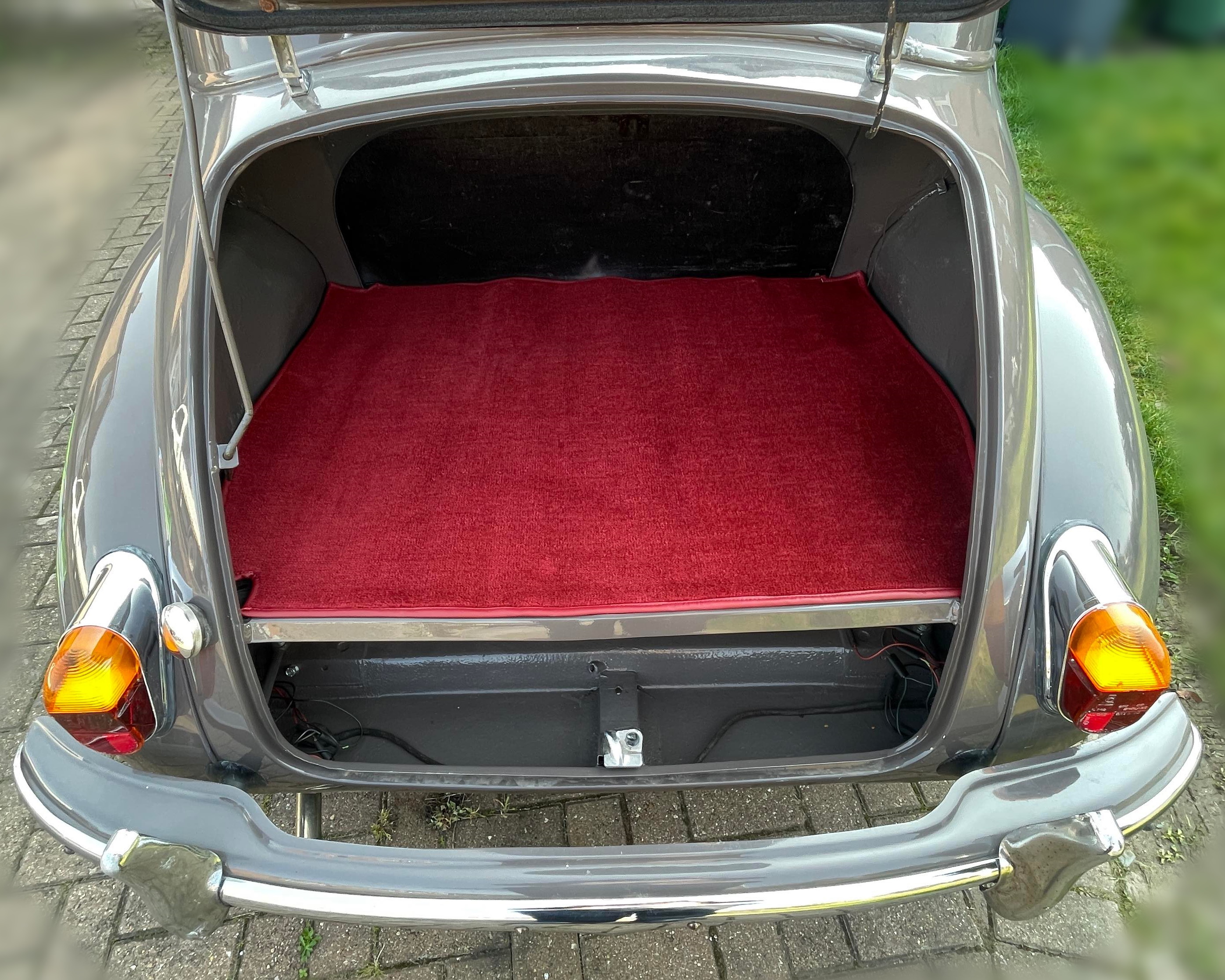
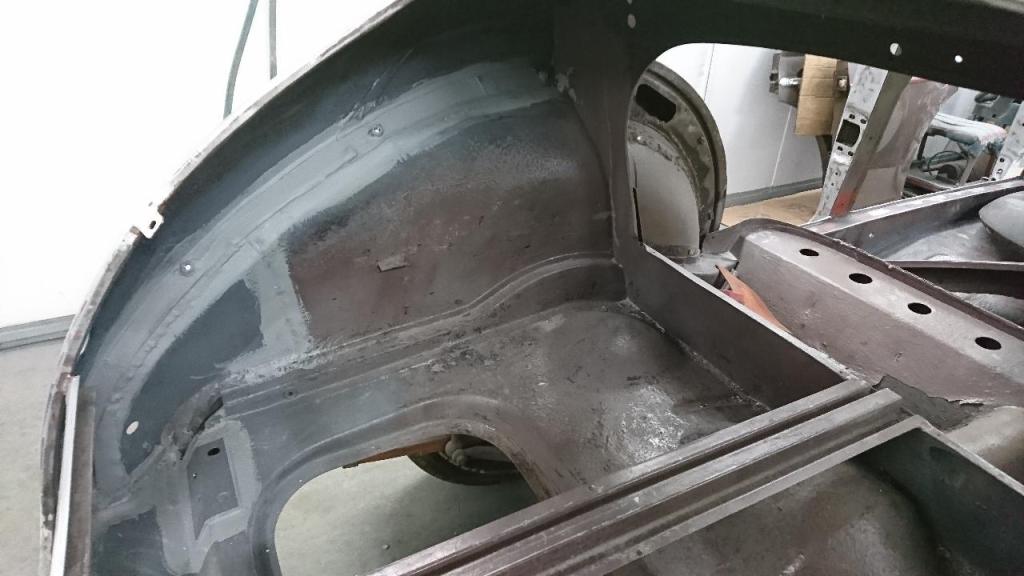
The inside of the boot was caked in a mix of underseal and paint which has now been removed. The fuel tank and filler neck should be back in shortly.

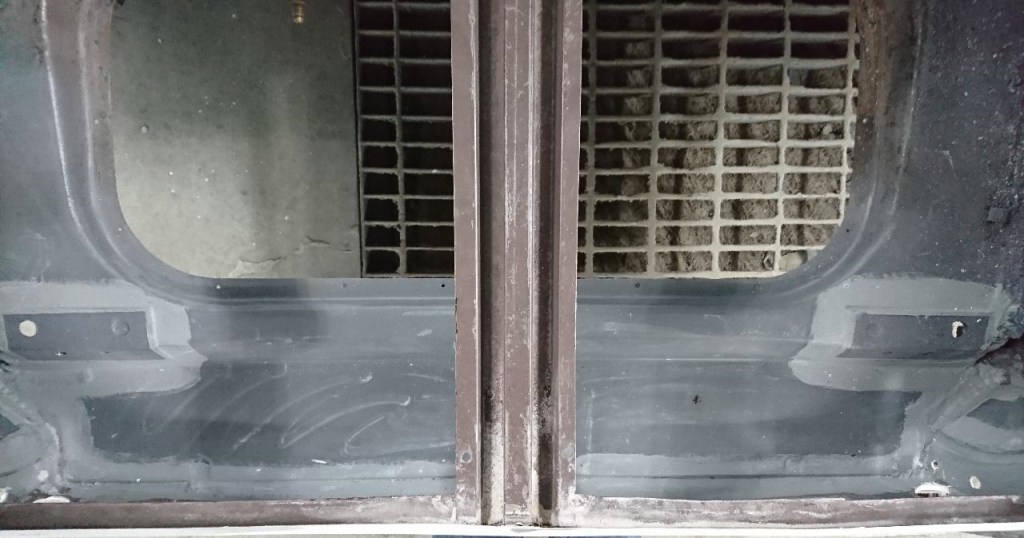
The boot floor too has received a fair bit of attention, with a whole new bootwell panel being fitted. This was a particularly irritating part of the car, where dark rusty water had pooled for years. The corners had crumbled away and holes had developed near the boot latch.

Looking downward at the new bootwell panel – this lower area constantly pooled with water and had deteriorated quite badly, especially in the corners.
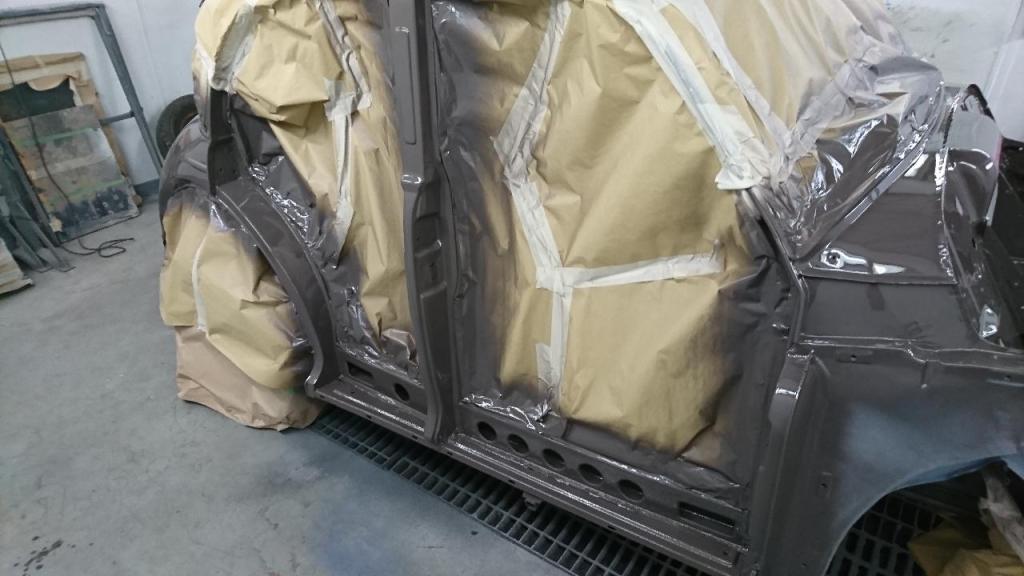
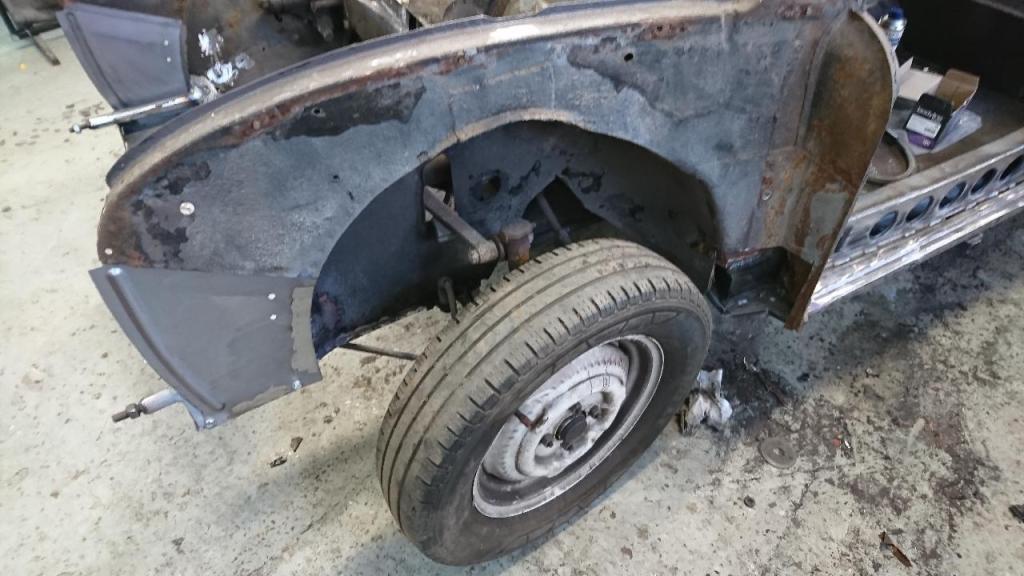
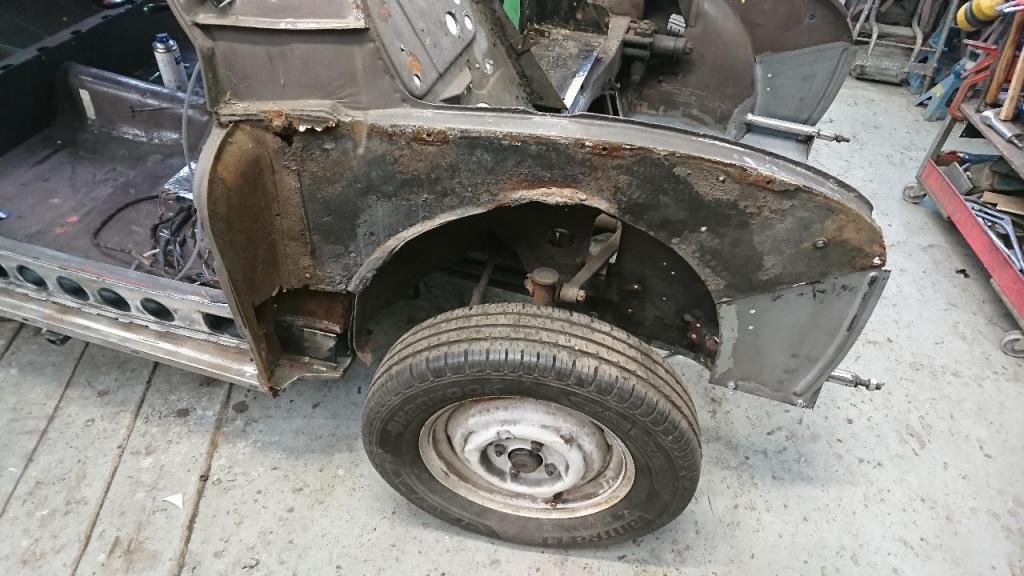
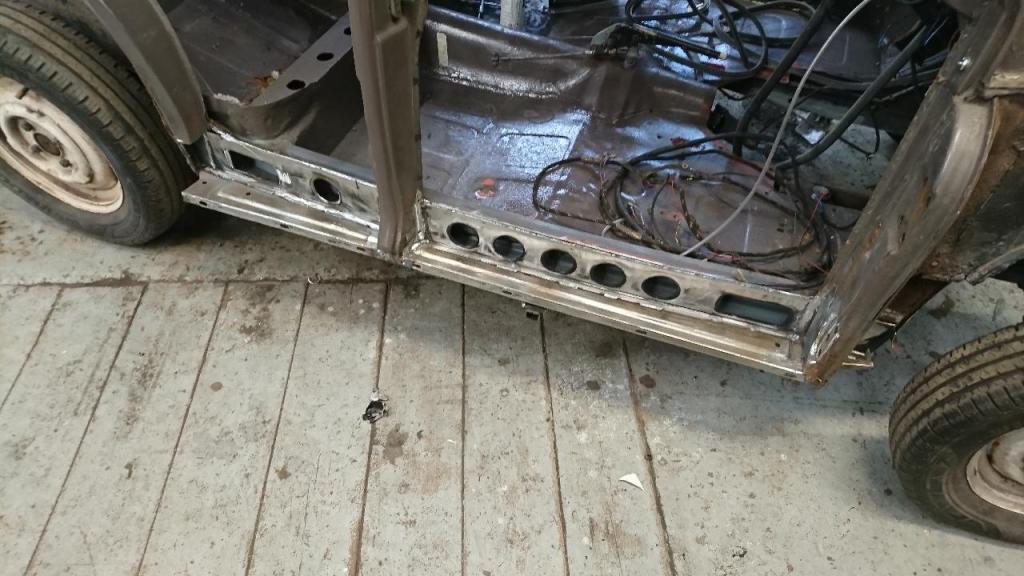
The sills, inner wings, and door pillars with a new coat of paint.
It’s all coming together!

Restoration begins

I’ve gone over a year without updating this blog, and here’s a surprise – it wasn’t even because of the Coronavirus pandemic!

The car has been off the road since June 2019, and It arrived at East Sussex Minors on October 14th of that year. Upon much more thorough inspection by the people there, with much more knowledgeable than myself, it turns out it was in far worse condition than I had even begun to realise.
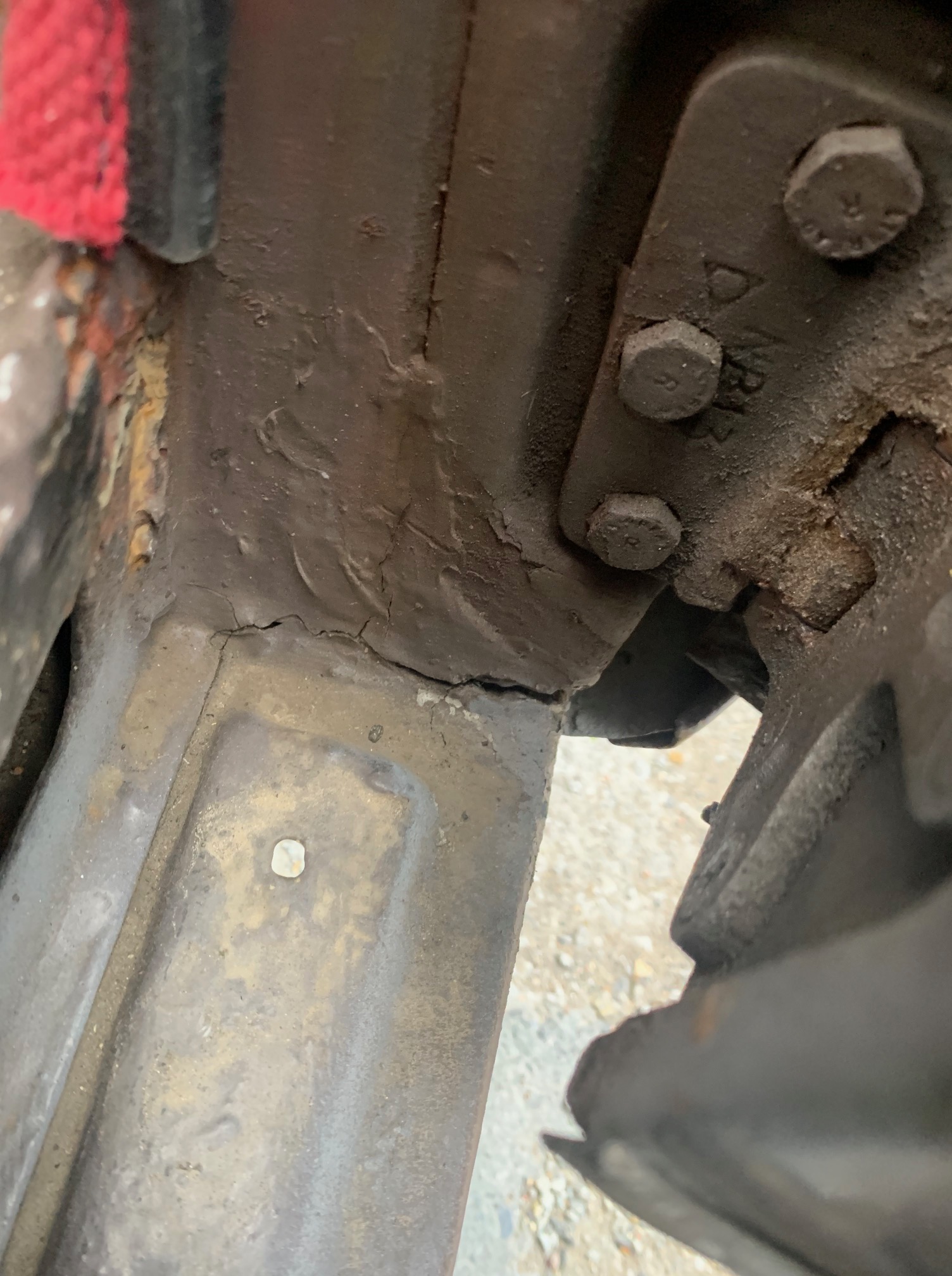
I knew there were a few welding jobs, problems with the doors not shutting right, the sill sagging on one side and a crack in the Engine bay Floor/ Tie Plates, but soon more and more serious flaws became evident.

Fast developing into a larger and much more expensive restoration (but being something I really had wanted to get done) I held off on the work until a time whereas I could afford it all.

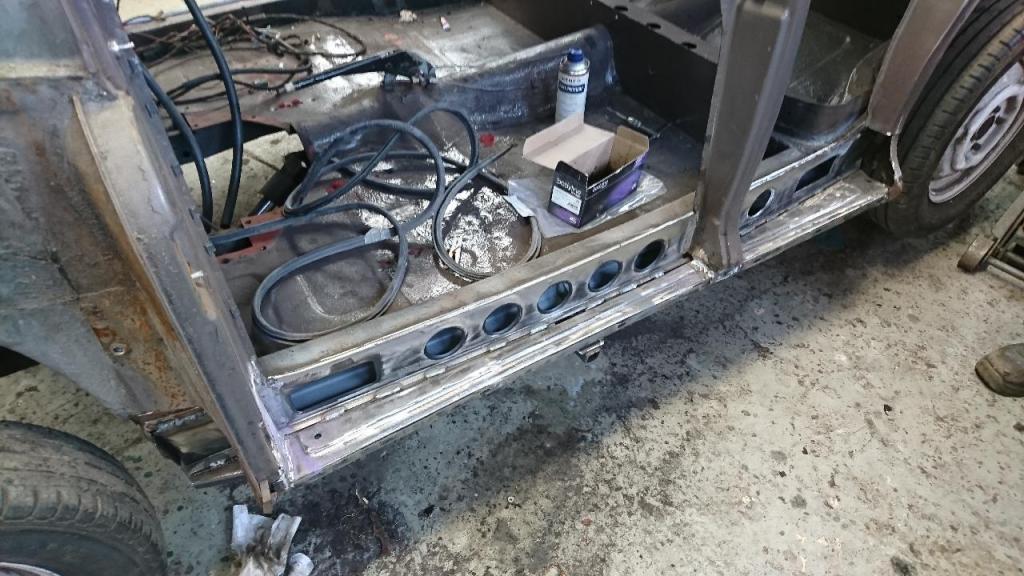
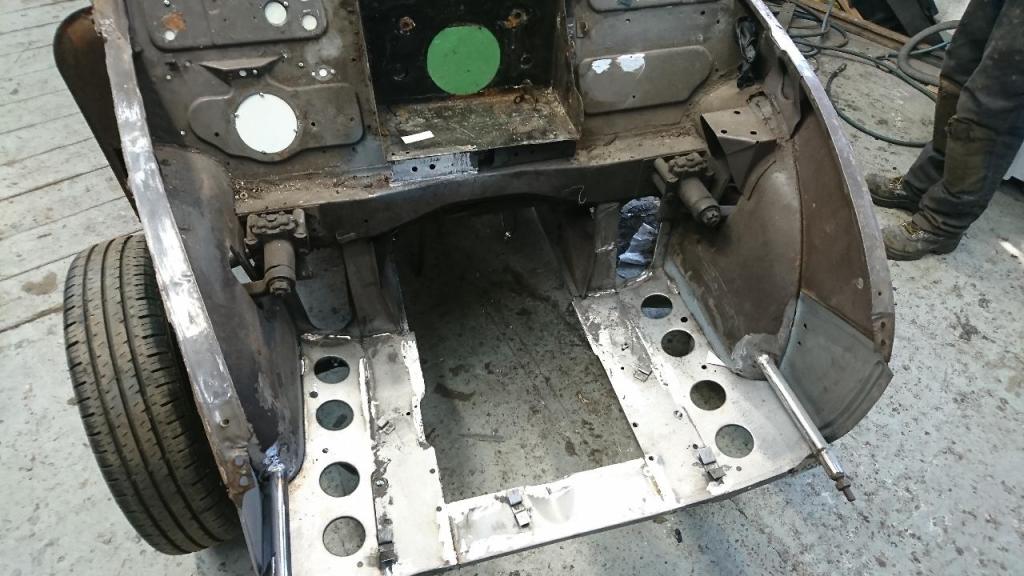
After the funds had been accrued, work started on the car on 22nd March 2021, and yesterday (13/04/2021) Steve from ESM sent me progress photos showing both the extensive repairs they had made to the car’s structure, and the crumbling flanges on the rear wings. Repairs thus far include;

  • New Crossmember and Tie Plates
  • New boxing panel
  • New Sills on both sides
  • New inner front wings on both sides
  • Repairs to the steady bar and battery box

Once areas on the car have been blasted later this week there is more welding required, primarily to the bottom of the A and C pillars and the rear wings, where the flanges are badly deteriorated and crumbling.

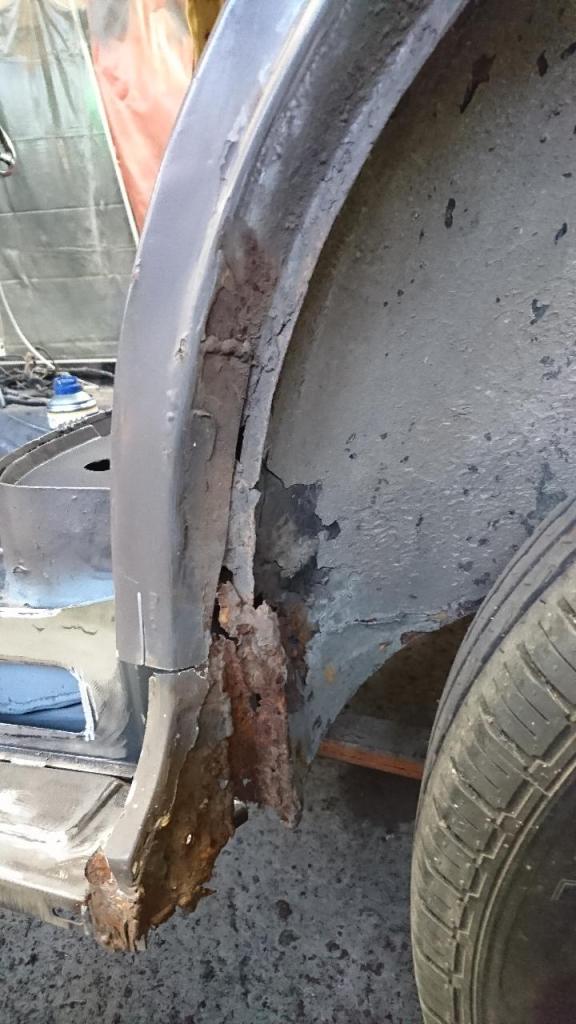
This photo shows the severe rot in the rear passenger side inner rear wing, at the base of the C post – I imagine once this area has been blasted later this week it will uncover new rot.

With all of this going on, and with it being legal to travel again in the UK, I took the time to deliver the last few parts of the car that I had lingering around at home, including the bumper, grill panels and radiator. I finally met Steve, who I had been corresponding with for several months regarding the work required, and saw the car for the first time since late 2019.

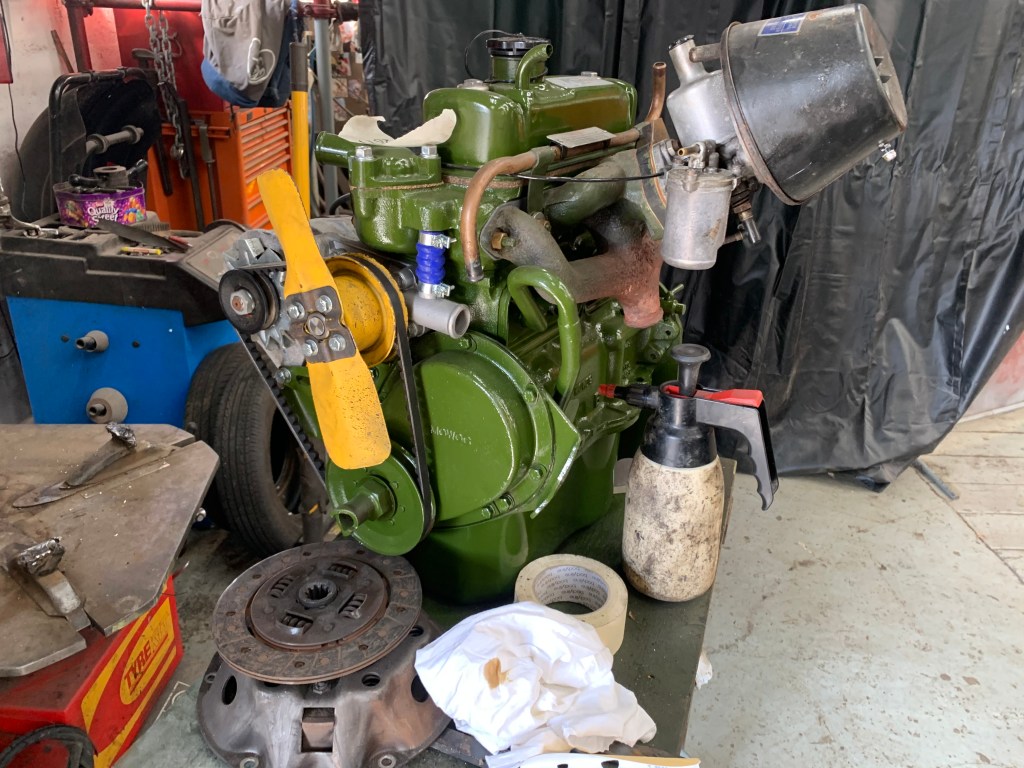
Upon entering the workshop I first saw a great looking engine and assumed it was for a much nicer car, however it turns out that it is actually mine. I never imagined my car’s engine could look quite so pristine! It has been degreased, painted, and looks almost brand new, complete with a new bypass hose, which could have been fiddly to replace with the engine in situ.

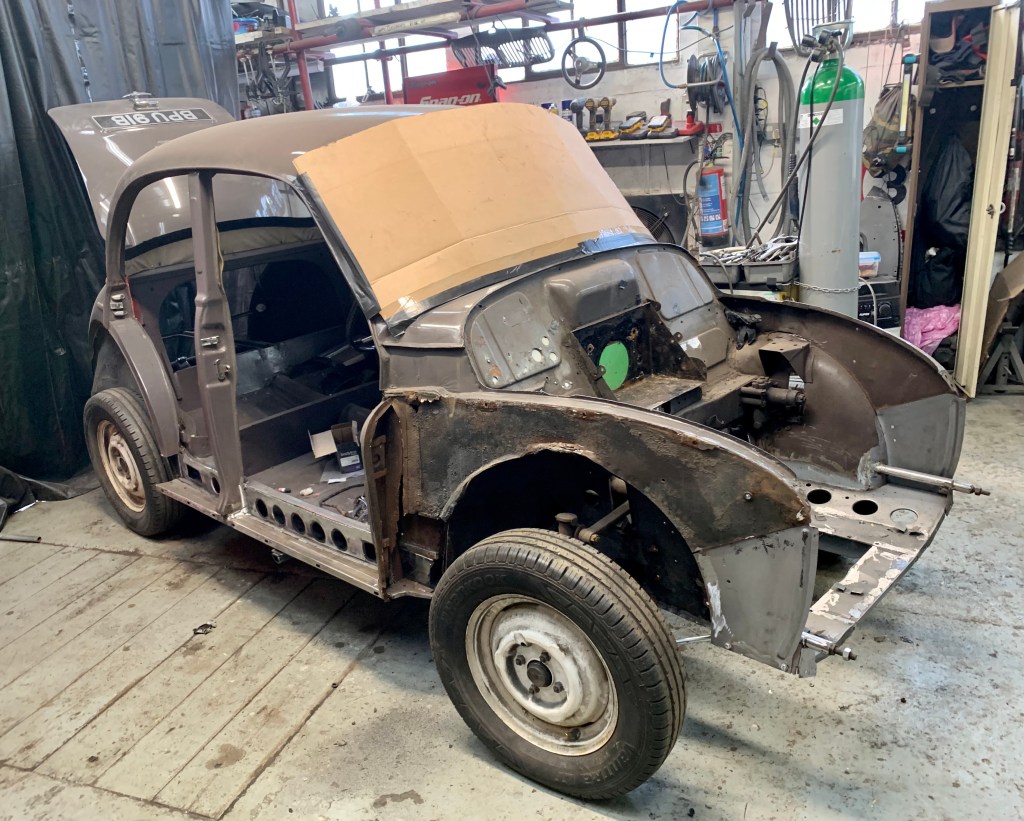
The bulk of the car is now in it’s deconstructed skeletal form, lacking the interior, the doors, the mechanicals, etc. Lots of welding has been done, and there’s a lot more to go. The engine bay has been restored and cleared, the various bulkhead holes have been plugged, and the windscreen protected ready for blasting.

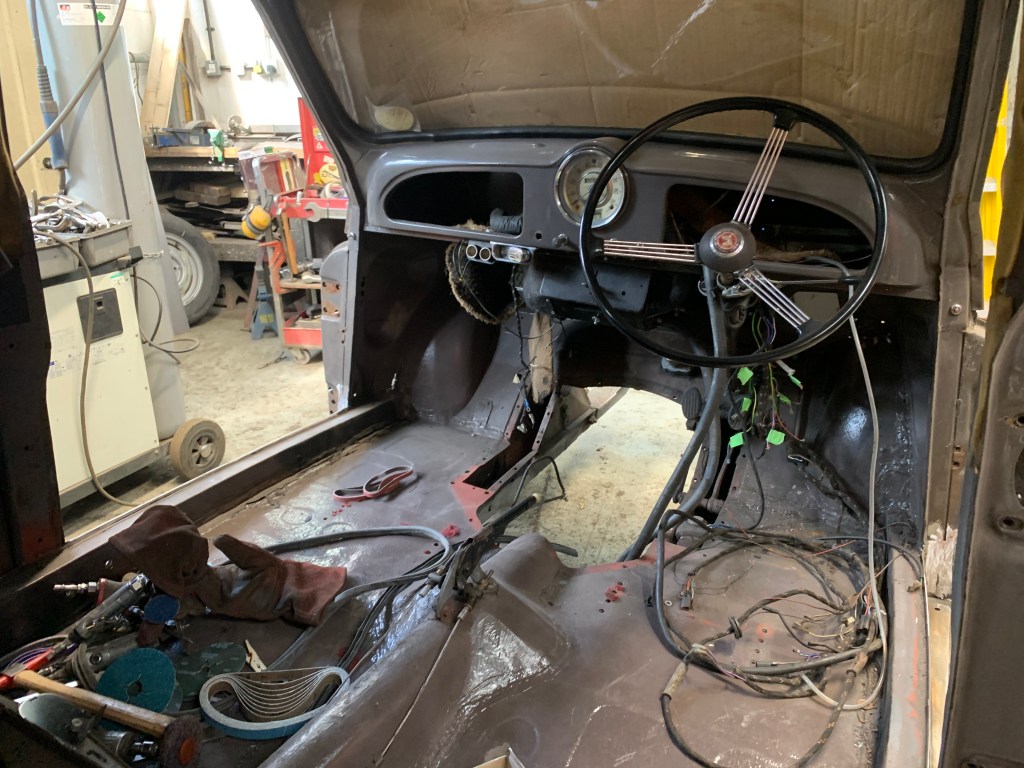
The interior has been stripped, with all the electrical components removed from the engine bay, ready for shot blasting later in the week.

Hopefully I should have more updates within the week once the blasting has been completed.

The road to recovery

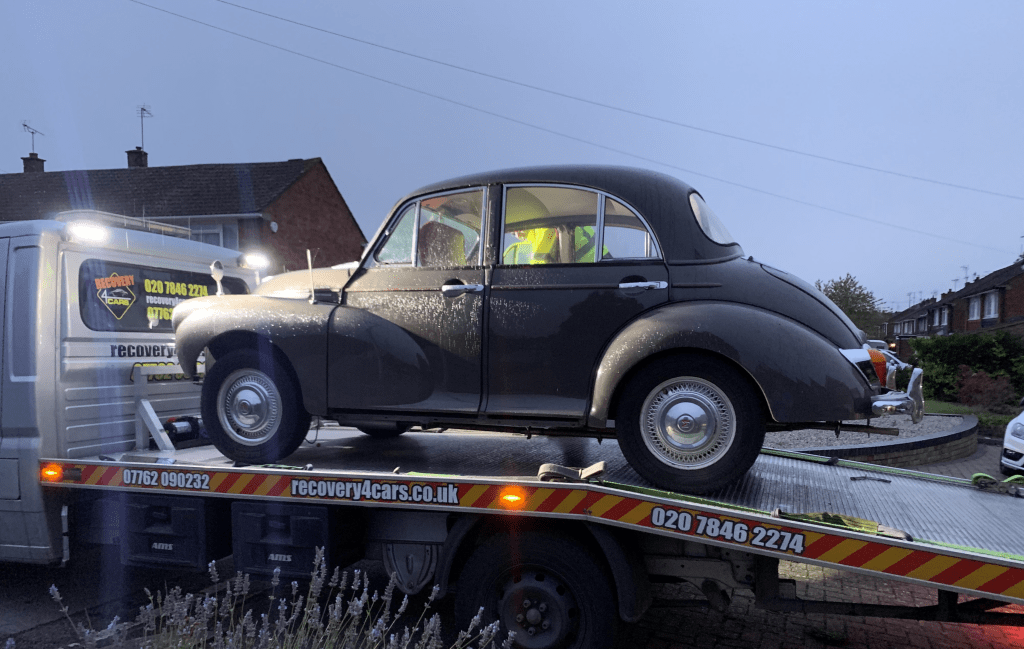
Yesterday I started preparing the car for it’s journey to East Sussex Minors, where a fairly comprehensive restoration is planned. All that this prep really consisted of was pushing the car up the driveway, turning it in the road and rolling it back down to where it was, so it would be facing forward on the recovery truck in the morning. I then filled the car with all the spare parts that I had collected, many of which will be used in the restoration process.

I’ve heard nothing but good things about East Sussex Minors and I have used them as my main supplier for Morris Minor parts – their service is like nothing I’ve seen elsewhere, both in terms of delivery speed (often next morning delivery) and quality customer service – not forgetting the high quality parts too!

First I had to turn the car around to face up the driveway!

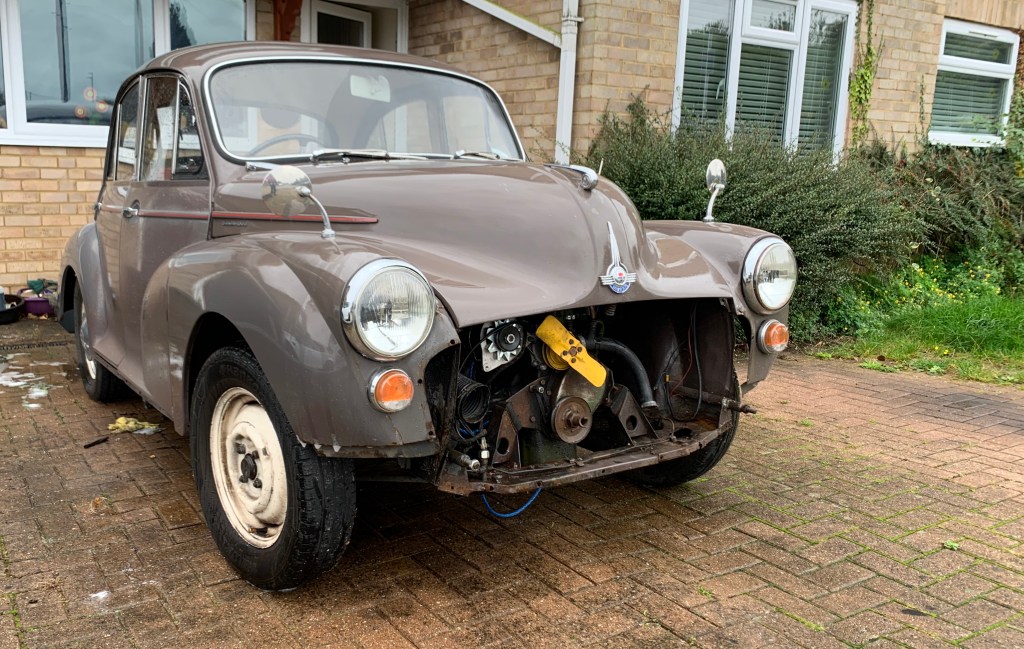
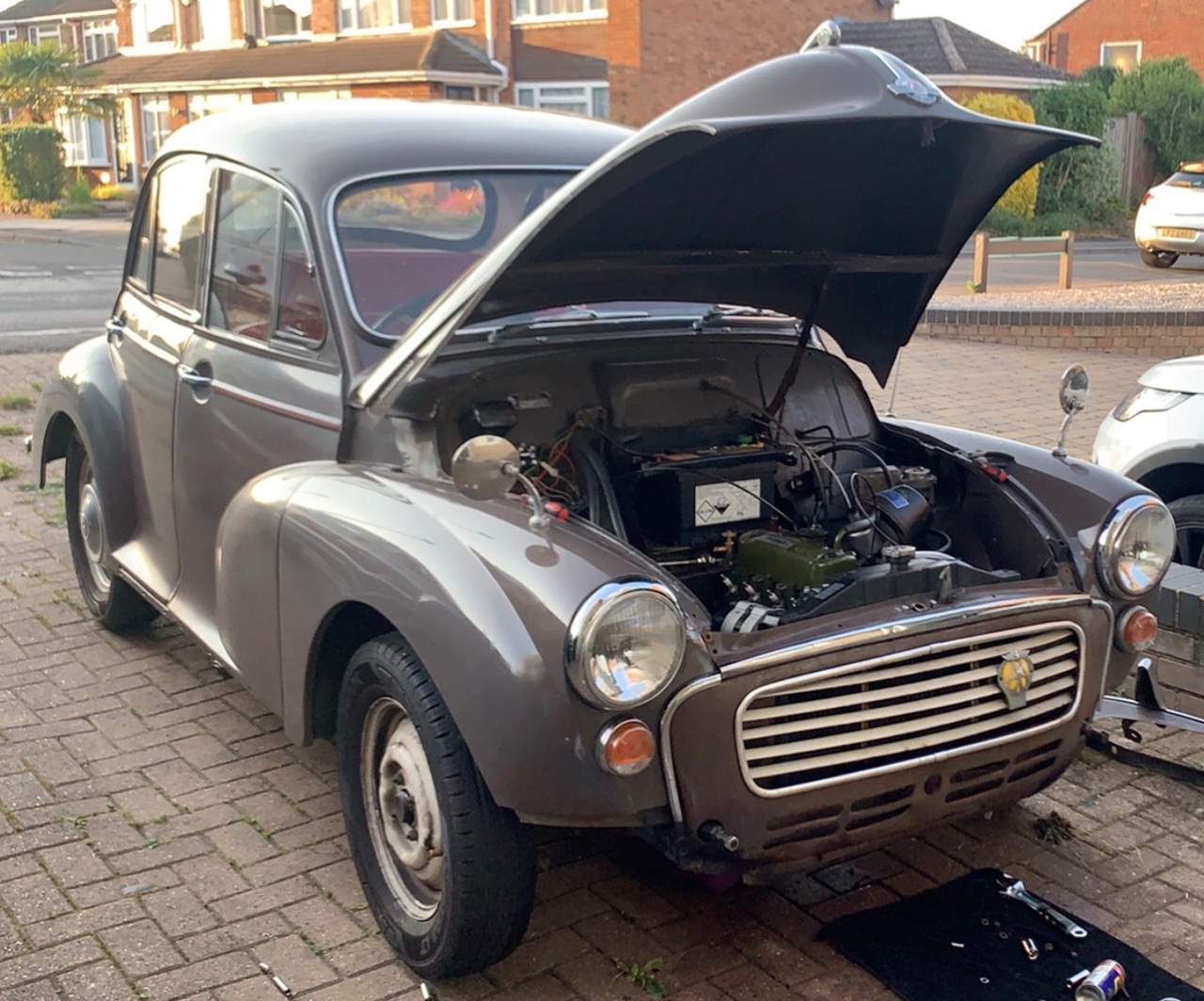
As I might’ve mentioned before, after the car’s last breakdown in early June I’ve not really done anything to it. I’ve removed the front grill panel and radiator, but when I noticed a crack in the tie plate I knew it’d need the attention of somebody more qualified than myself, and that if it was going to be welded up and have the engine and gearbox out then it was as good a time as any to have the engine bay painted – slowly things were turning into a much larger job.

Over the last few months I’ve saved up and planned for various bits of work I want to have carried out. More on that will follow when I have news from ESM. They plan to start work on the car in December 2019, and as I’m in no rush to have the car back on the road for the winter, we’ve agreed I will likely get it back sometime in early springtime 2020.

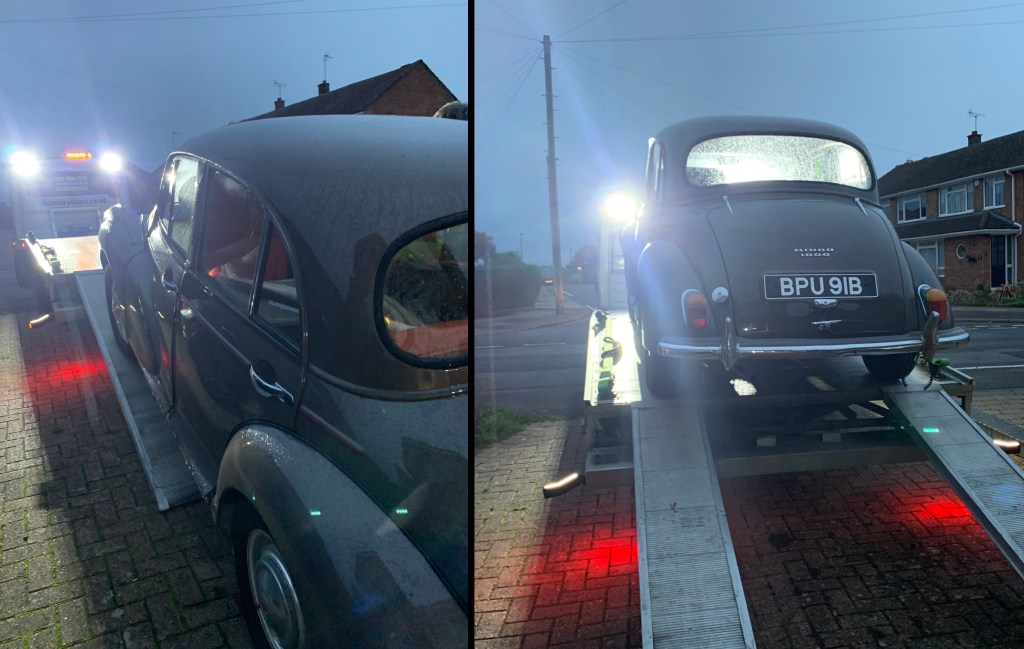
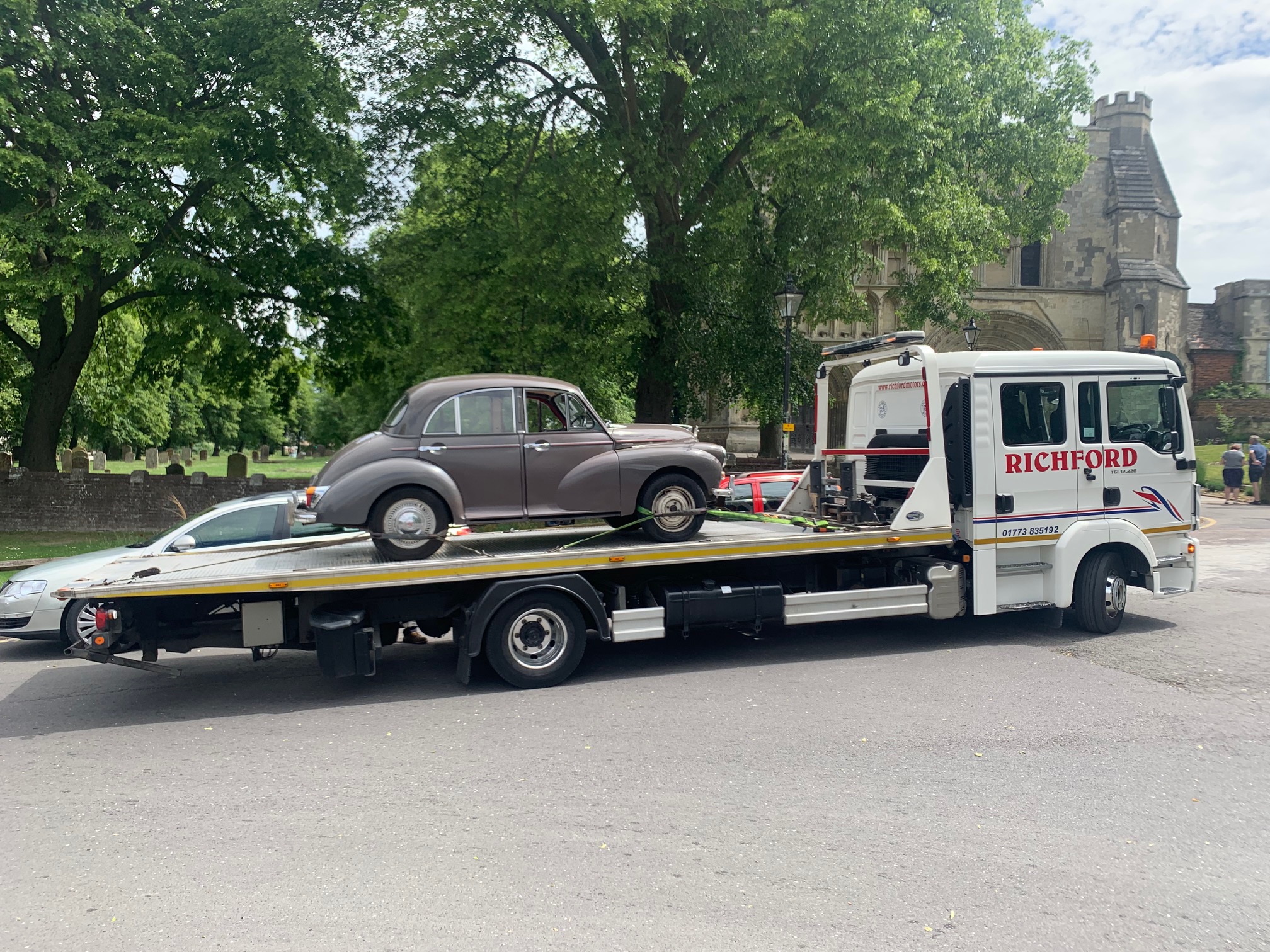
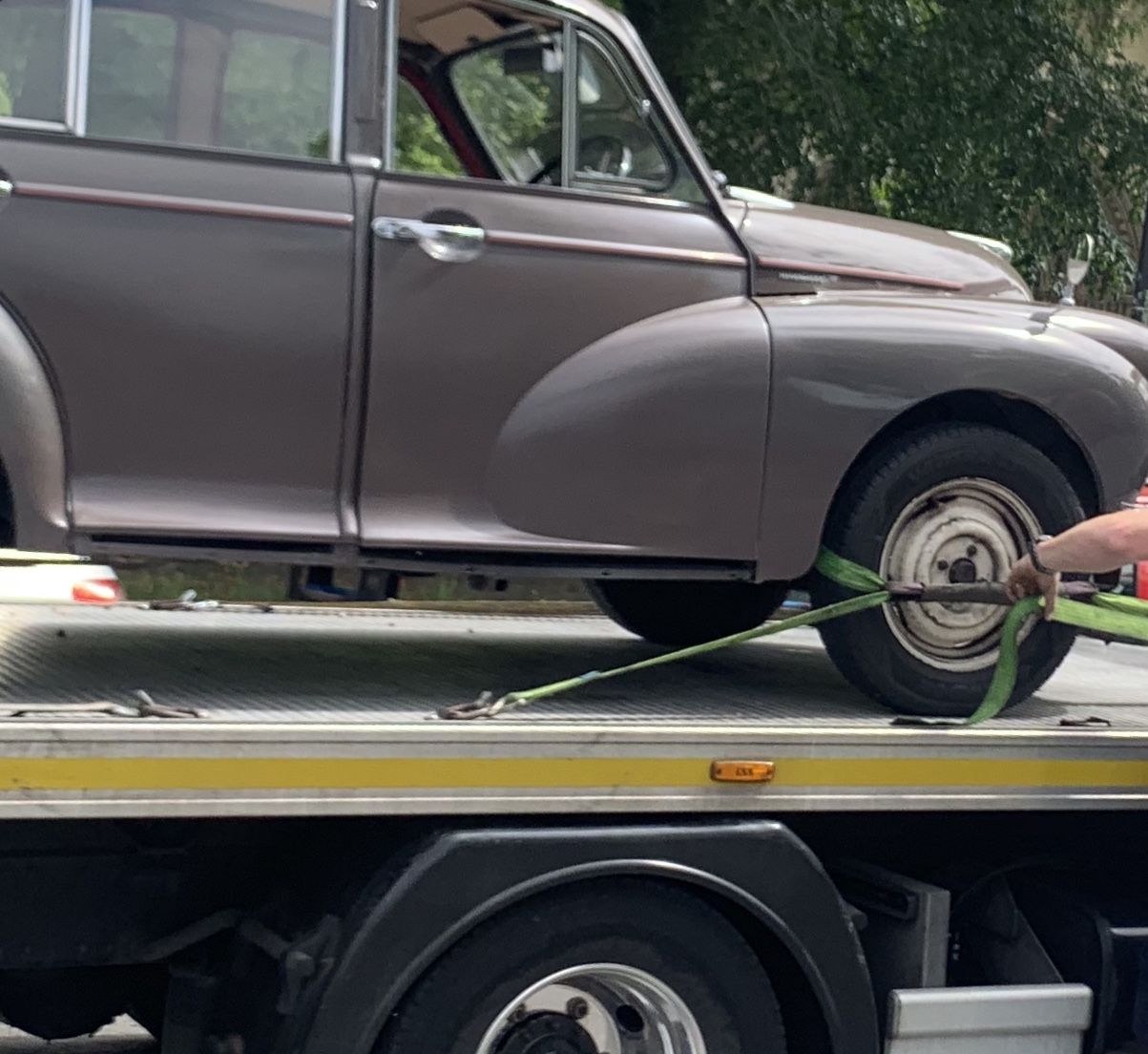
Up, Up and Away! The Morris is slowly winched onto the recovery truck.

A member of the Morris Minor Owner’s page on Facebook recommended that I use a site called Shiply to organise the transportation of my car from my address to the ESM workshop. Shiply can be used to get quotes on delivery for pretty much anything you can think of, be it furniture, motor cars, livestock, pianos, boats, etc. It’s really quite simple; You tell Shiply where your car is, where you want it to go, and within a few hours you will likely receive a fair few bids from individuals with recovery trucks. Your address is not publicised – just your rough area is shown so you can be given quotes, so there is no real safety concern involved. The only person who will ever see your full address is the person who’s bid you choose.

Ready for Departure. Next stop: The East Sussex Minor’s workshop. Back soon!

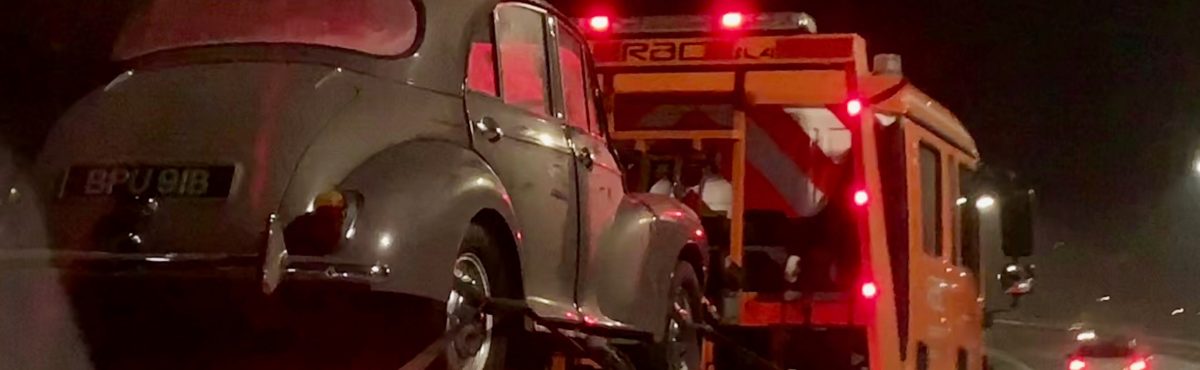
If I had £1 for every time my car had been on the back of a recovery truck then this restoration would pay for itself.

So, that’s it! For the next few months it is not likely that I’ll have much to post about, but I will try and keep things up-to-date in terms of news I hear back from ESM, sharing my experiences. The wait will be worth it!

Moggy in the Moggy

Let it be known; I don’t own a cat!

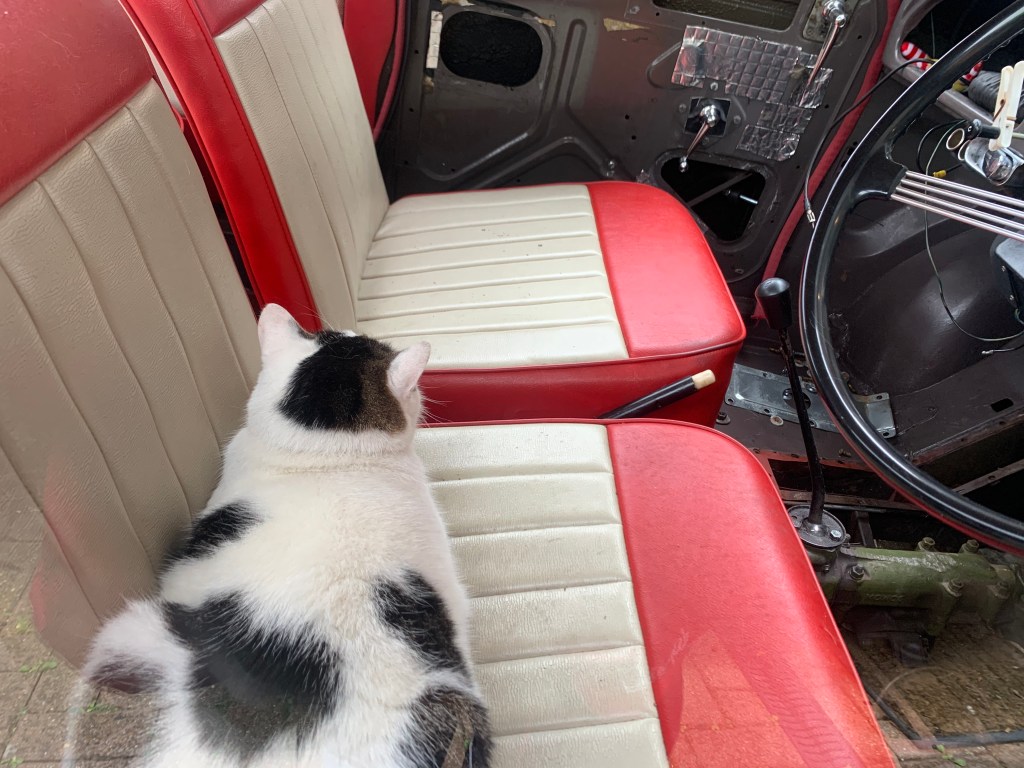
As I left the house this morning I found that a stray cat had found it’s way into the car through the gearbox tunnel, which I had removed the cover from to strip the old paint down. The cat had fallen asleep on driver’s seat – I let it rest there for a few hours, and when it woke up naturally I opened the door, causing it to hastily vacate.

[…Continued] Clutch or Gearbox issues, plus other surprises!

Having had the car recovered in early June, I’ve not really done anything with it since!
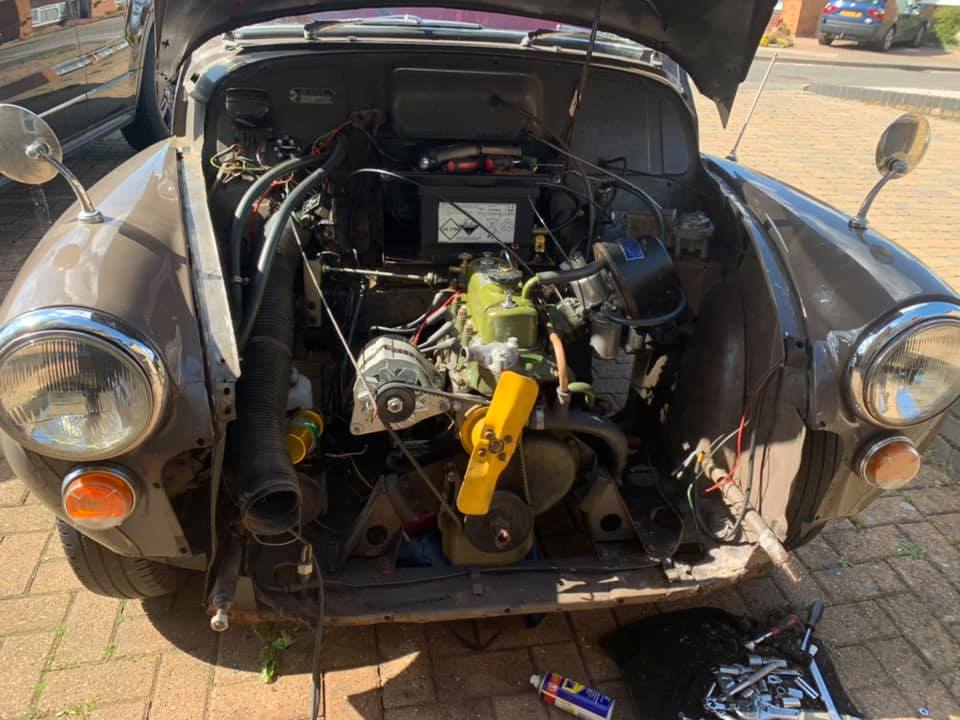
So far I have taken off the front panels, grill, and loosened the bolts that hold the front wings on. I have unbolted the gearbox and engine so they are ready to remove, and have inspected some of the panels and areas of the car that seem to cause problems.

Notice the undersill/step – it seems to be warped, why could that be?
Well, the undersill wasn’t attached to the A-post, and the filler that is there must be hiding something fairly rotten!

My first concern in terms of the car’s structure was the warped undersill which seems to be sagging. The step does not seem to be attached to the A-pillar at all, and where the join should be is just a large crack!

Strangely, the door on this side closes perfectly, whilst the door on the passenger side drops significantly, but there doesn’t seem to be any issue with either the hinge-pins or the structure around the door.

Now to look at removing the engine and gearbox…

The bumper is off!
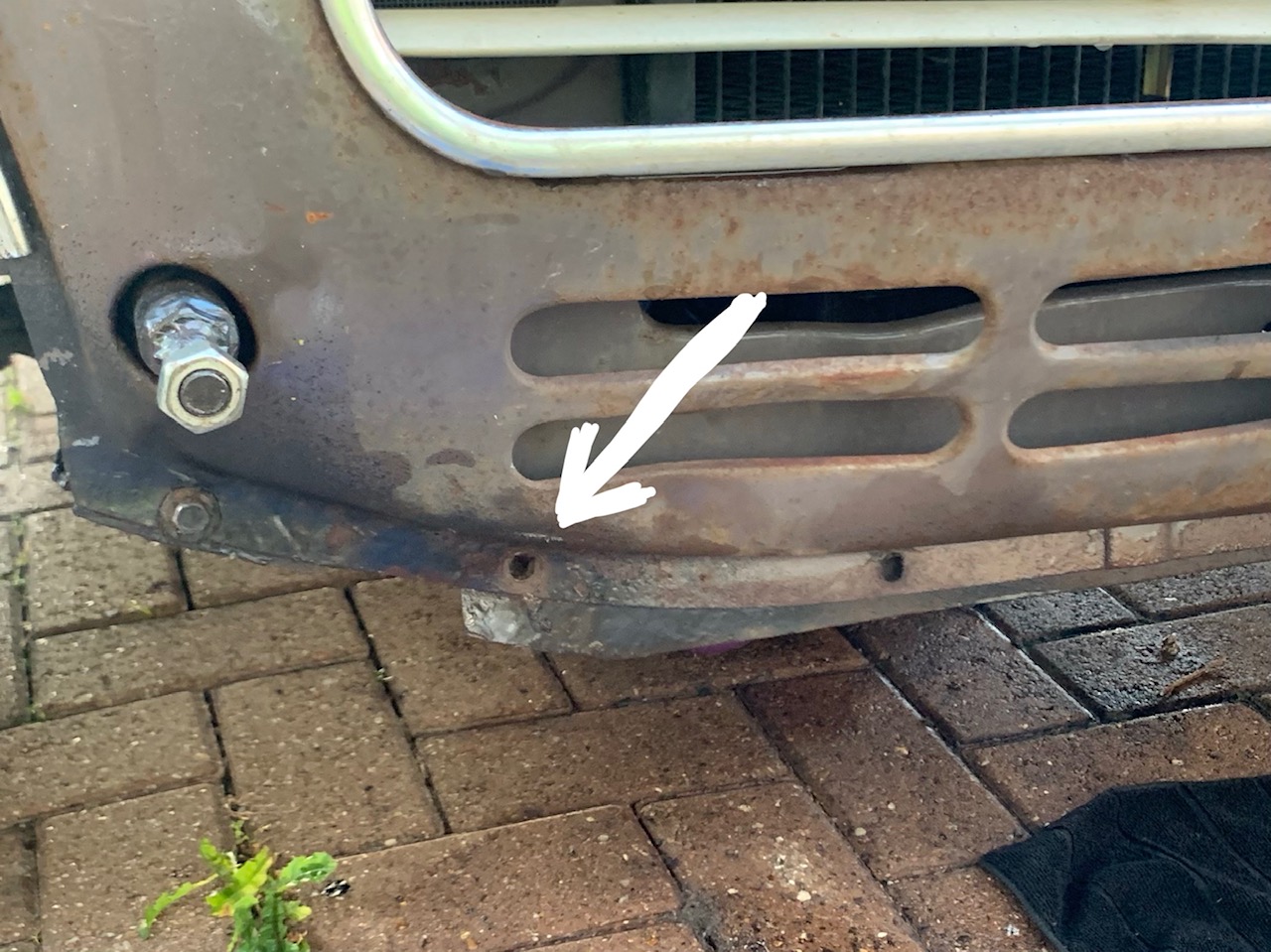
It turns out that the person who last re-attached the front grill panel only used 3 of the 6 bolts along the lower edge, and they were all different sized nuts and bolts. Hardly a professional job!
After an hour or two trying to remove the heavily corroded and rounded bolts that hold the grill panel on, I finally got somewhere, revealing some bigger issues.
Ignore the unorganised pile of tools!
The passenger side tie plate is cracked, and bent quite badly, right near the point where the engine mount and tie-bar mount are located.
Although this image is mainly focusing on the crack in the panel, it also highlights how much the panel has been bent upwards!
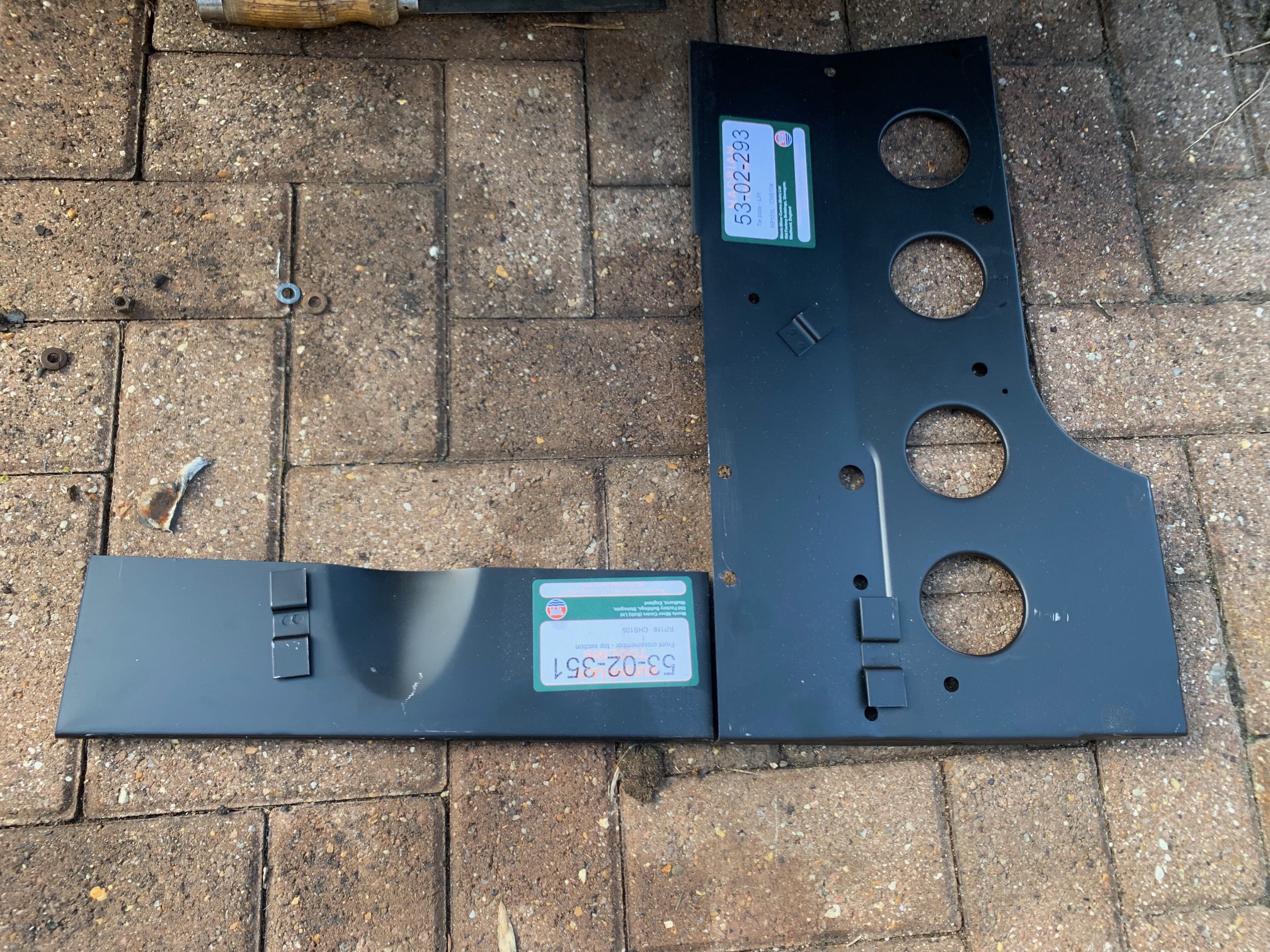
Replacement front and left-side tie plate panels ready to be welded in.

It looks like what I had planned as a quick engine-out gearbox swap is turning into a bigger job than I can probably manage. It might be time to start saving, and to call in the experts.

Disaster! Clutch or Gearbox issues [To be continued…]

Abandoned, hoping not to return to a ticket on the windscreen.

The car had driving nicely without too many problems for the last few months, but on 2nd June 2019 the gearbox decided it was time to self-destruct whilst driving in the early hours of the morning.

I managed to coast the car around the corner from the high-street onto a kerb, where I left it until I could get it recovered the following morning.

Recovery arrived the following morning.

Once I had the car recovered home I decided it was time to take the car off the road for a while and invest some real time and money into keeping it on the road in the future. I drained the gearbox, which was about a week old and it was full of tiny metal flakes – that can’t be a good thing!

The car is going to require a new gearbox and clutch, and will also require welding in a number of areas.

Will it start? That is the question!

Well, after several months off the road and with a new refurbished cylinder head fitted, new spark plugs, a new distributor and a new alternator, this was the moment of truth. Would it finally start? Had I done everything right, remembered to connect all the hoses and wired up all the electricals correctly? Take a look;

Success! After a bit of tweaking the car ran perfectly and idled nicely… at least, it worked for a couple of days!

With no warning, the fuel pump failed. Starting to think either myself or the car has been cursed at some-point.

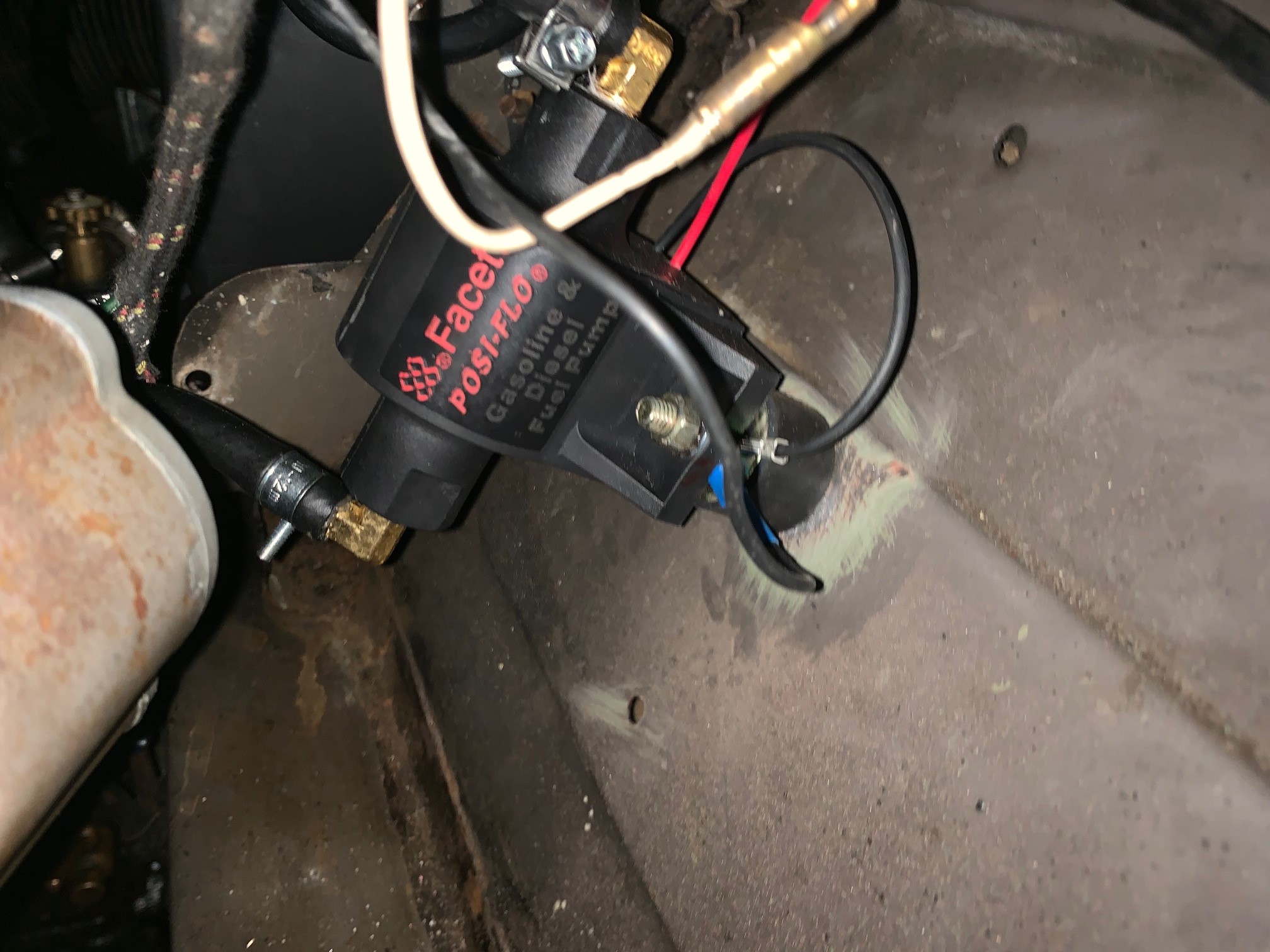
After another breakdown and eager to have the car running again after so long, I had the car recovered by a local garage who replaced the SU fuel pump with this modern american pump – I’m not overly fond of this pump and may revert to an SU one, as this one can be unreasonably loud at times. I’m used to the odd clunk noise of the points from the SU pump, but this pump never stops making noise.

For the time being the car is running nicely.

Would you believe it? Another breakdown!

On the way to work on 21st November 2018, about 2 miles from where I park, the car started spluttering badly and the lip of the exhaust sheered completely at the manifold clamp, giving me the characteristic sound you get when your exhaust falls off – a sound I have come to know.

Not long afterwards, on an A-road with no real hardshoulder, there was a bit of a bang and the engine completely cut out. I could start the engine again, but if I so much as touched the accelerator pedal the engine would abruptly splutter and die.

I was so close to work, and I knew what the RAC would say without even ringing them. By this point I’m a regular, so I knew I’d get the usual “We have unusually high demand at the moment, can we book you in for recovery at another time?”, so I dumped the car at the side of the road in as best a place as I could and used some nearby traffic cones with lights to try and make it stand-out in the dark.

During my shift I called the recovery service and explained where I was and what the issue was, and then booked recovery for around the time I finishing – Of course, being the RAC they have to follow their own procedures – I knew the car wouldn’t be drivable, but they wasted a bit of time by sending a mechanic to come and have a look before booking me the recovery truck I had initially requested. eventually I got the car home, where it remained for the rest of the year until I could find the time to work on it.

On the road again!

Eventually I got around to it, and upon further inspection I found that the head gasket had blown between cylinders 1 and 2.

Up until this point in Morris ownership, I’d never attempted to do much with the engine, and I’d certainly not considered removing the head myself – usually I’d ship it off to a garage for something like this, but I was feeling like a bit of a cheapskate at the time so and figured It’d be good to try and learn how to do this job, as It probably won’t be the only time it needs doing in the long-term.

This is probably the most technical I’ve got so far, aside from replacing the wiring loom a while back, so replacing the head felt like quite an achievement for me!

Seeing as the head needed to come off anyway, I saw the opportunity to upgrade the engine slightly, by swapping the existing head for a refurbished head with hardened valve seats, which makes it more suitable for running the car on unleaded fuels, which were not developed at the time the car was built.

Off with it’s head!

Removing the head was easy once all the ancillaries were removed. It’s just a case of removing the rocker cover, gradually removing the nuts that hold the rocker assembly in place (be careful to release them in increments, so not to put any part of the assembly under too much stress) and following the pattern you would whilst torquing the head bolts!

With the rocker assembly out of the way I removed the valves – I made sure to number them so I knew which ones belong in which holes when it comes to reassembling, and I did this by sticking them in numbered holes in a sheet of cardboard.

Removing the head bolts was easy – removing the studs however was a bit of a challenge. I dare say a pair of molegrips would’ve been handy, but I’m not organised enough to have located a pair, so I instead spent a larger amount of time locking nuts together on the studs and attempting to remove the studs this way – eventually I got them all out.

1) The engine block with the studs removed
2) The cleaned-up surface of the engine block
3) Checking that the new gasket lines-up properly before fitting studs

Once the studs were removed from the block, the surface needed some cleaning so that the head gasket’s seal would be as good as I could get it. I started by cleaning out the bores and drying up any oil or coolant that had leaked in.

To remove the surface rust and other debris I got a sanding block that was at least as wide as the surface I was cleaning-up and used a very fine sand paper to polish it up a bit. I made sure to sand in one direction, applying equal pressure/force in all areas equally so not to distort the surface.

The new head:

I ordered everything for this project from East Sussex Minors (ESM) – every time I’ve ordered from them I’ve had the item delivered the next day, and I’ve never had any problems with their service or their parts.
The new head arrived with all the studs, new nuts/bolts and gaskets, and it looked great! I decided to clean up the face of the head in a similar fashion to how I did the block.

I also used the opportunity with the engine stripped down a bit to paint the sides. The job was far from anything professional as this photo probably demonstrates, but I was happy enough with it. I used Wd40 degreaser on the sides of the engine, and then used Ebay-bought Mowog Green VHT paint. I was pretty happy with the results!

Another good idea whilst you’re at this stage is to replace the bypass hose that goes between the head and the water pump. If it’s perished, it’s not very easy to get at without removing the head again in the future!