Last year’s MMOCYM christmas meet was at the Shuttleworth Collection; a great assortment of very early aircraft on the grounds of Shuttleworth House in Bedfordshire. It was a relatively smaller scale event with a smaller turn-out compared to Beamish in 2023, but it was considerably closer to home for me, which was nice. Unfortunately on the day I didn’t feel very well and it didn’t feel like a whole trip, so I didn’t take many photos and didn’t post about it.
This year’s Christmas Meet on Monday 8th December was a more unusual one, and put a few more miles on the odometer. The focal point being of the trip was an organised tour of the Numatic factory in Chard, Somerset. Numatic of course are most famous for their ‘Henry Hoover’ range.
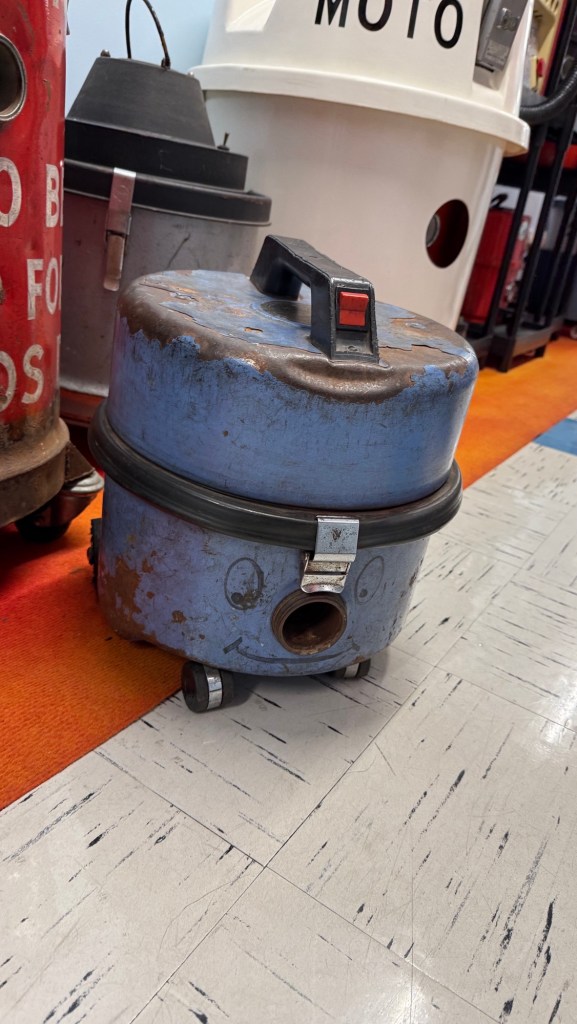
Henry #1. The OG.
I left Bedfordshire at 2pm on the sunday, and was somewhat indecisive about which route to take, changing my mind several times whilst underway, ultimately making all the worst decisions, leading to a slow and poorly planned journey down to Basingstoke on just A-roads, before following the M3 and A303 down to Yeovil, convoying with Matt after a stop Amesbury, where he caught up to me.
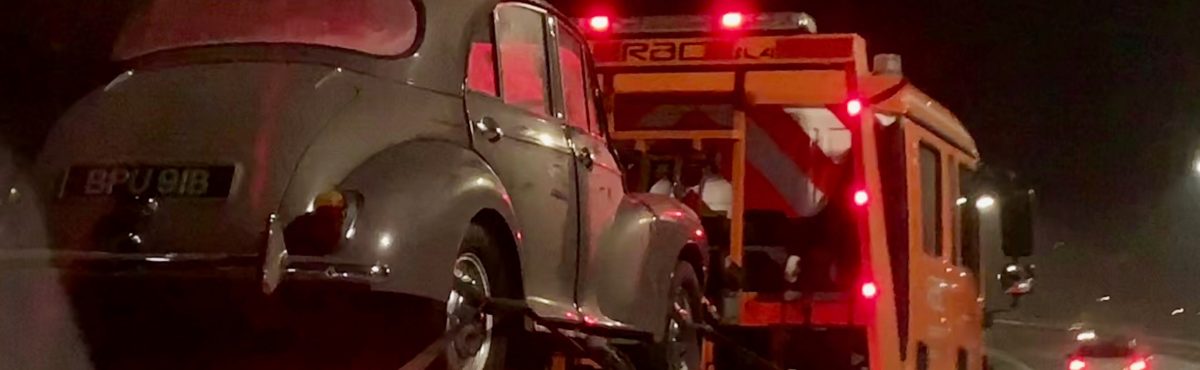
The moggies that made it
The next day, whilst only three Morris Minors were present for the factory meet-up, but at least 10 members of the MMOCYM did make it, be that in modern cars or by train.
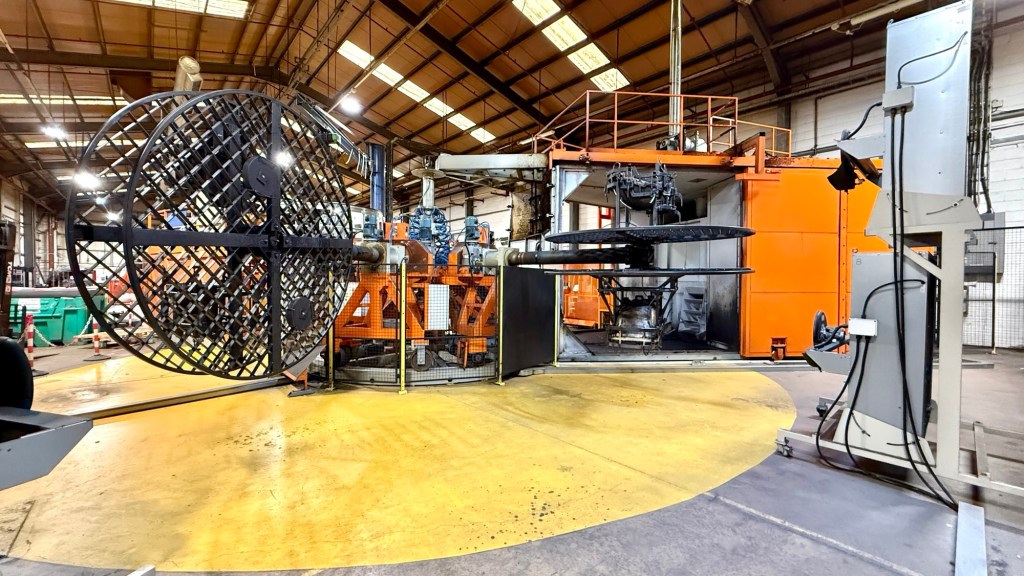
One of the rotational moulding machines that is used to make larger moulded parts.
Numatic offer tours to those interested and enthusiastic about their products and business. I personally found it fascinating to see such a thriving business, employing so many local people, that does almost all of it’s design and manufacturing in Britain, on one main site, which is still innovating and growing, with a new factory facility being constructed on the other side of the road.
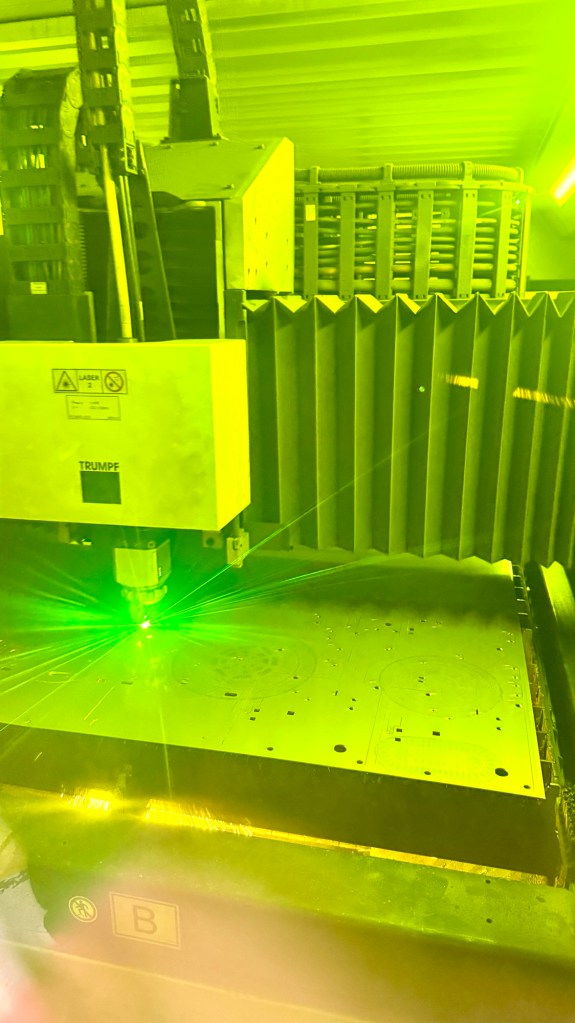
Parts for some of Numatic’s larger comercial products being lazer cut
After the tour, we returned to Yeovil for a Christmas carvery. The trip back home was plain sailing, with the car performing perfectly; however, my ASDA Christmas lights did run out of battery en-route.
Since the trip to Beamish in 2023 there was talk of a possible trip to Northern Ireland, which was eventually planned for April 2025.
After some last minute cleaning and prep (including packing a host of spare parts and fluids) Dan and I set off at about 3:30pm on the 9th, with the intention of making it as far North and as close to Anglesey possible, where we would catch the Ferry from the next day.
Originally I had intended to follow the historic route of the A5, Telford’s Holyhead turnpike road for the entire journey, as it leads all the way to the Ferry pier in Holyhead, however, when we stopped for Dinner at the Brewers Fayre in Telford we had a look for accommodation for the evening, having left this until the last minute to allow some flexibility in the journey. A lack of cheap hotel availability for that evening in the Snowdonia area, and with the light quickly fading, we found a Travelodge in Colwyn Bay, and planned a new faster route, heading up the A41, and A55. Approximately 198 miles done, We arrived at about 10pm and checked in.
The following, we headed for the boat. We left early enough so that we could make a few stops, which was just as well, as the A55 was closed in several different places with large tailbacks due to accidents.
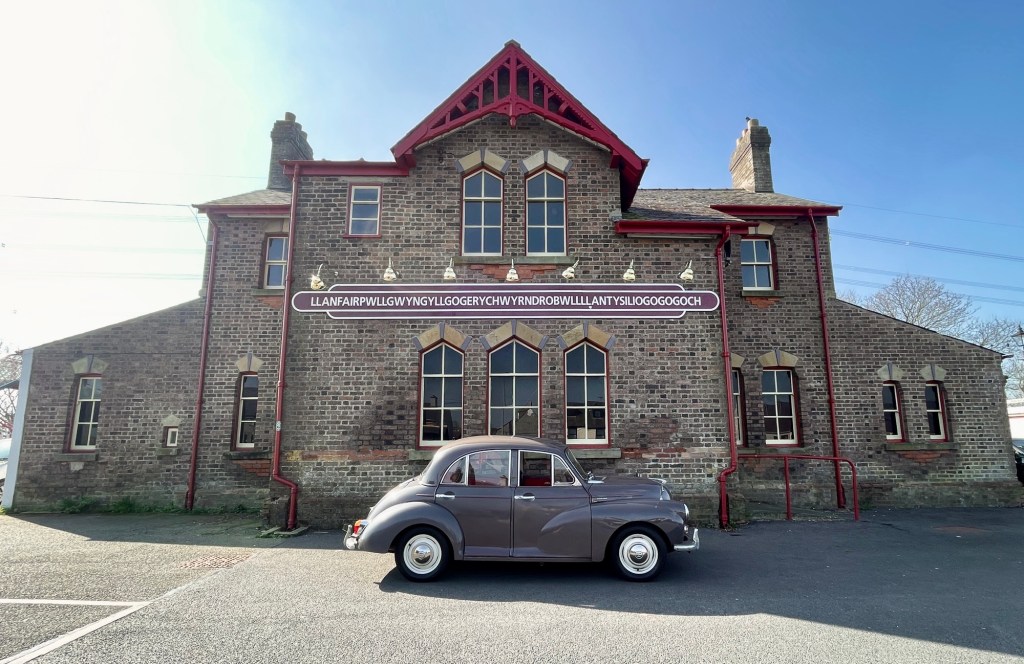
First we visited Llanfairpwllgwyngyllgogerychwyrndrobwllllantysiliogogogoch, famed for having the longest town name in Europe and the longest railway station name sign in the world.
After this, we continued to South Stack – a flying visit, as we didn’t have the time to head down to the lighthouse, but we got some photos.
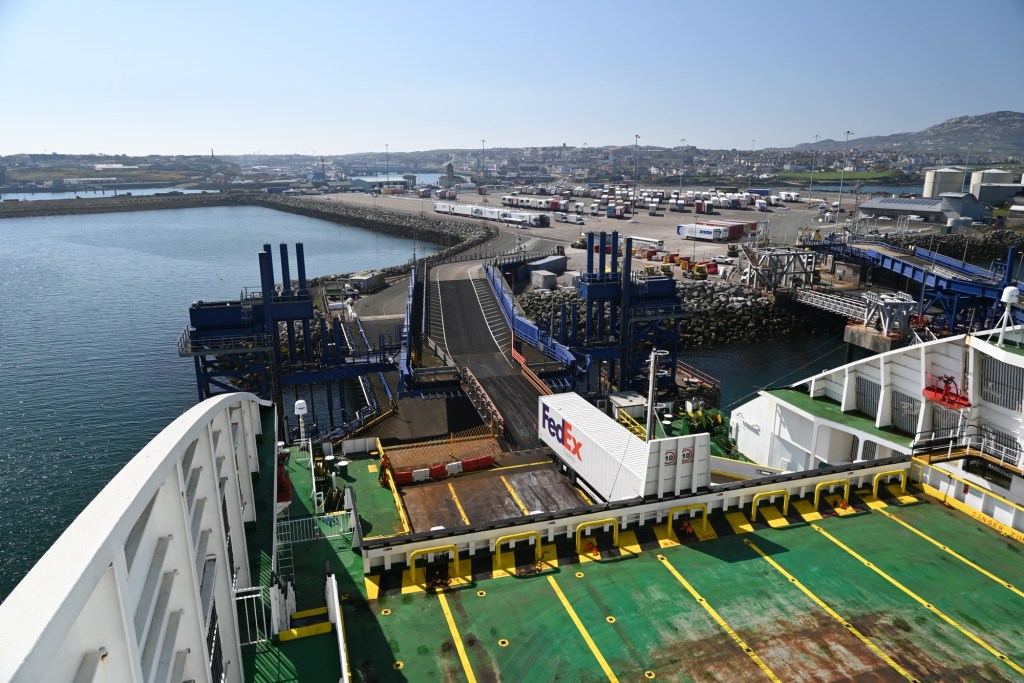
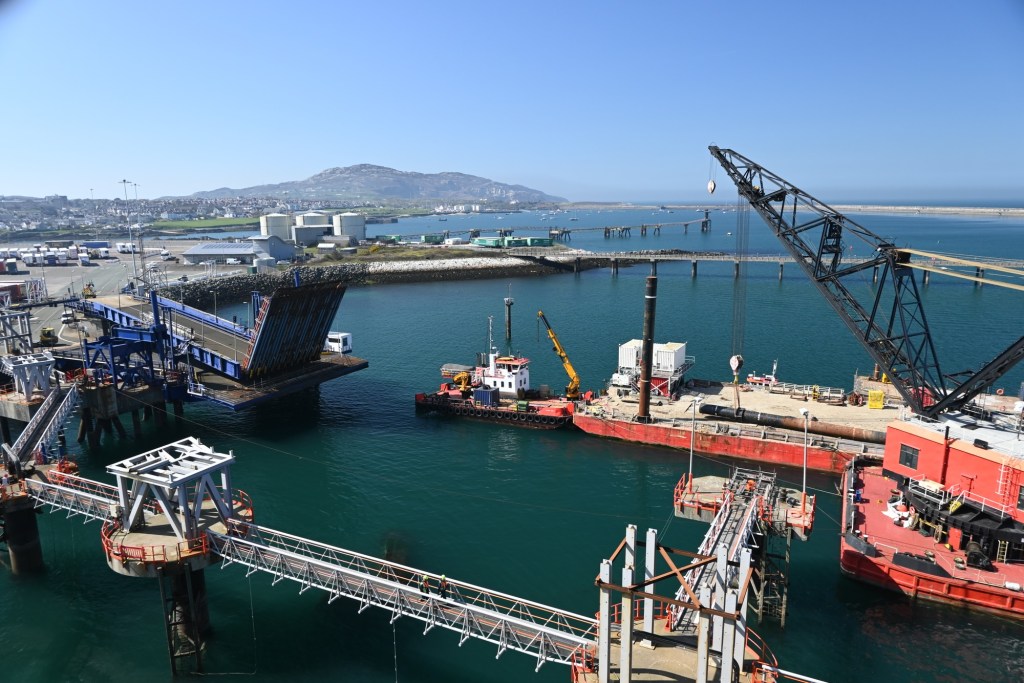
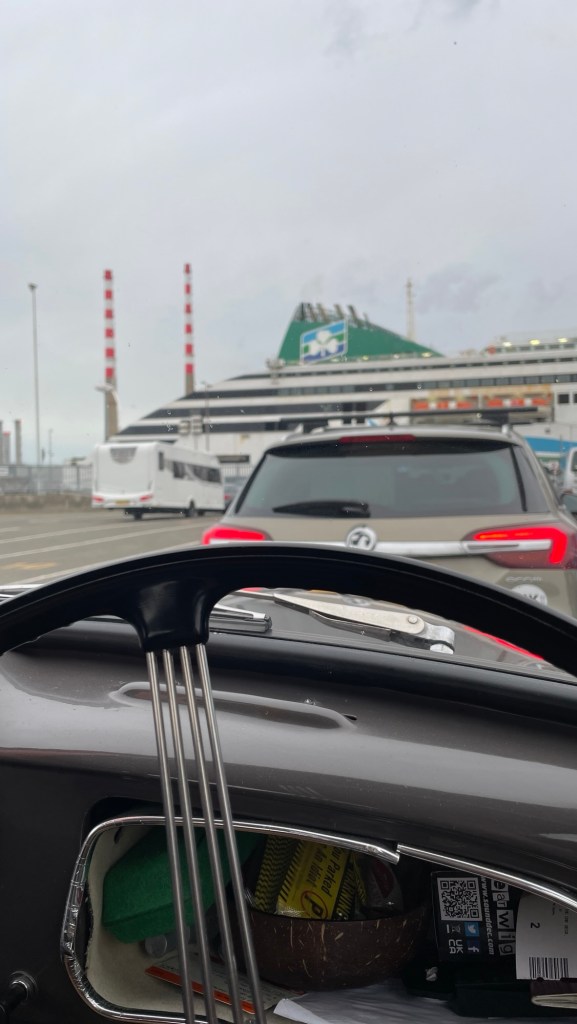
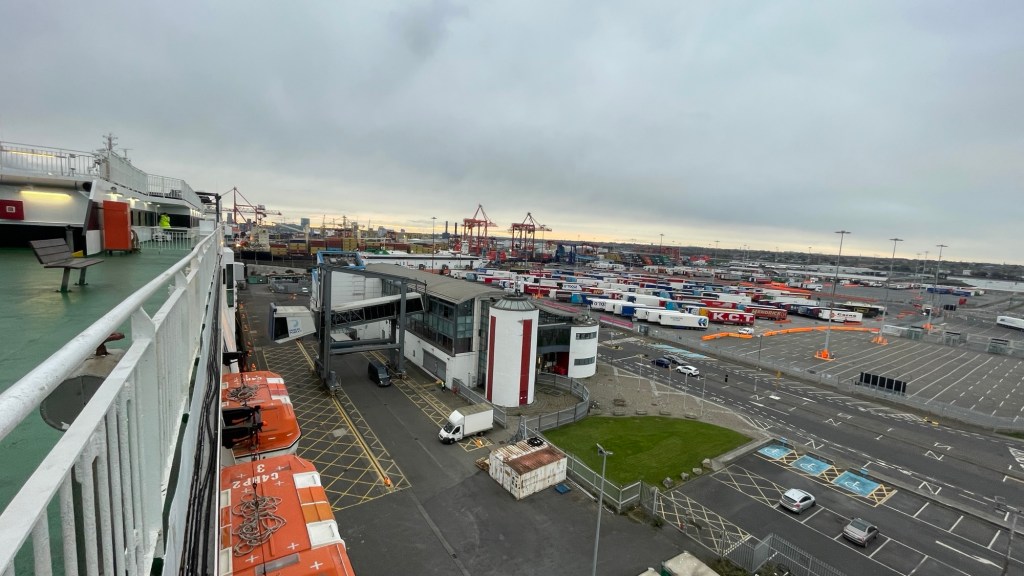
Soon it was time to board the ferry; The departure had been moved forward by an hour due to damage to one of the berths following Storm Darragh in 2024, wherein a ferry made contact with a mooring pile in strong winds, causing it to collapse and putting one of the linkspans out of use.
The out-of-action linkspan. Note the collapsed pile still visible in the water. Work appears to be well underway on fixing it!
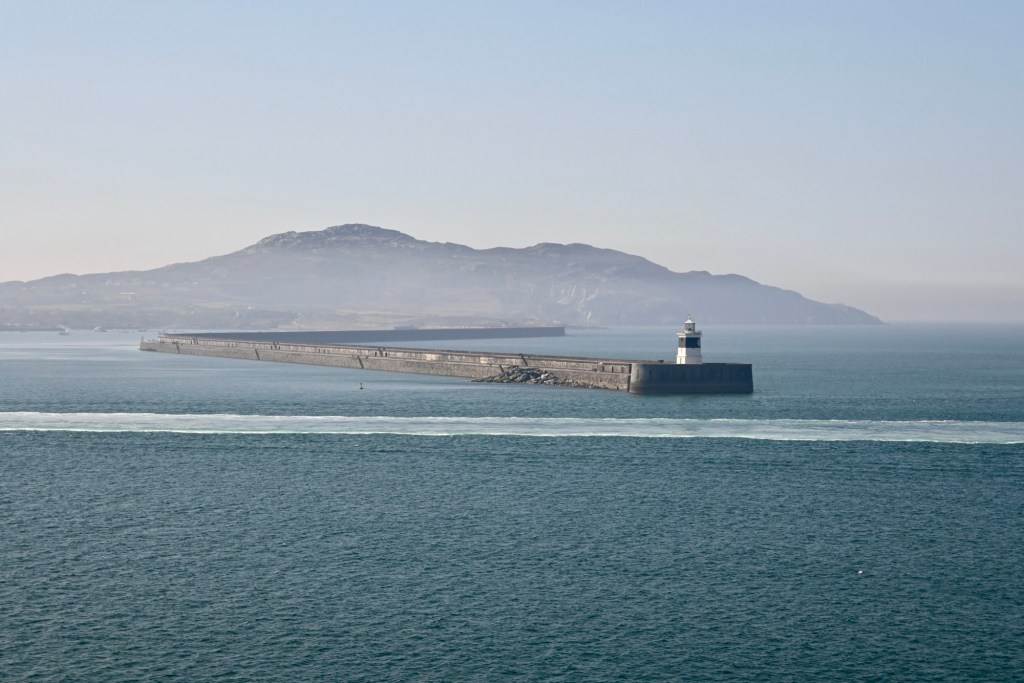
Before long we were away, passing the 1.5 mile Breakwater, which is the longest in Europe
MV UlyssesAlmost there!The decomissoned Poolbeg power station, with its protected chimneys, which are an Icon of Dublin
Arriving in Dublin, docking just in the Mouth of the River Liffey opposite the impressive chimneys of Poolbeg power station, we disembarked and made our way North, driving through the 2.8 mile Dublin Port Tunnel, which is the longest road tunnel in the British Isles.
There wasn’t a great deal more to add about this journey, other than that the people of the Republic of Ireland really seemed happy to see the small convoy of Morris Minors, with Becca and Leuan in their respective cars staying ahead of us for most of the journey to Northern Ireland. Dan and I broke away from the group just after crossing the border into NI to find somewhere for dinner, as we had all booked different hotels for the evening. After a while we continued, arriving at our Premier Inn in Bangor at approximately 9:30pm – we’d been travelling for over 12 hours by this point, so we were pretty glad to stop, having clocked up over 404 miles already.
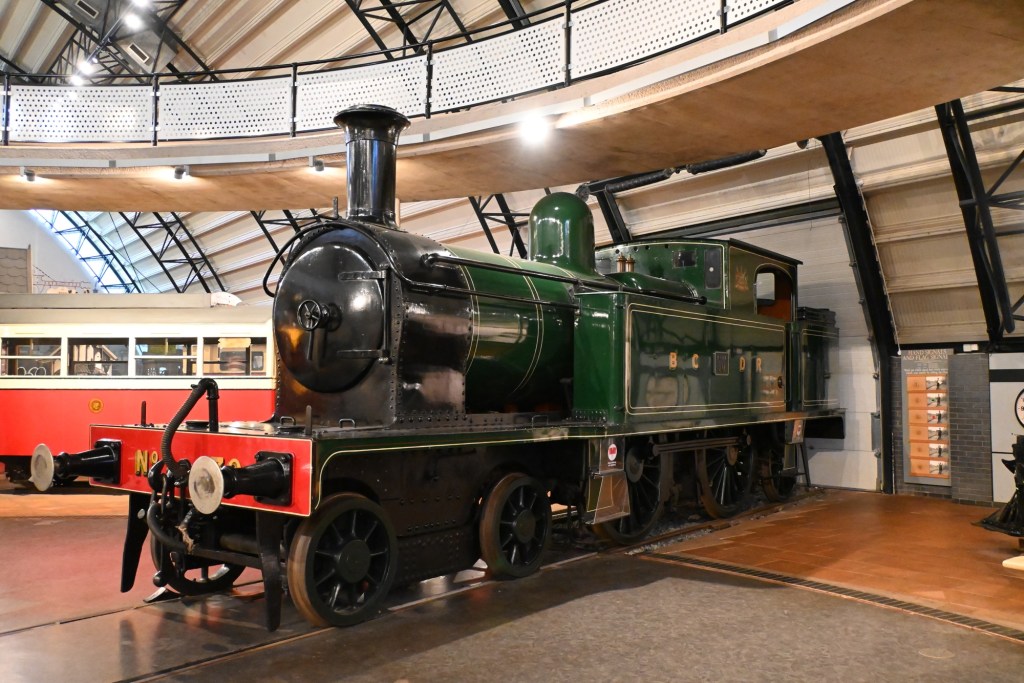
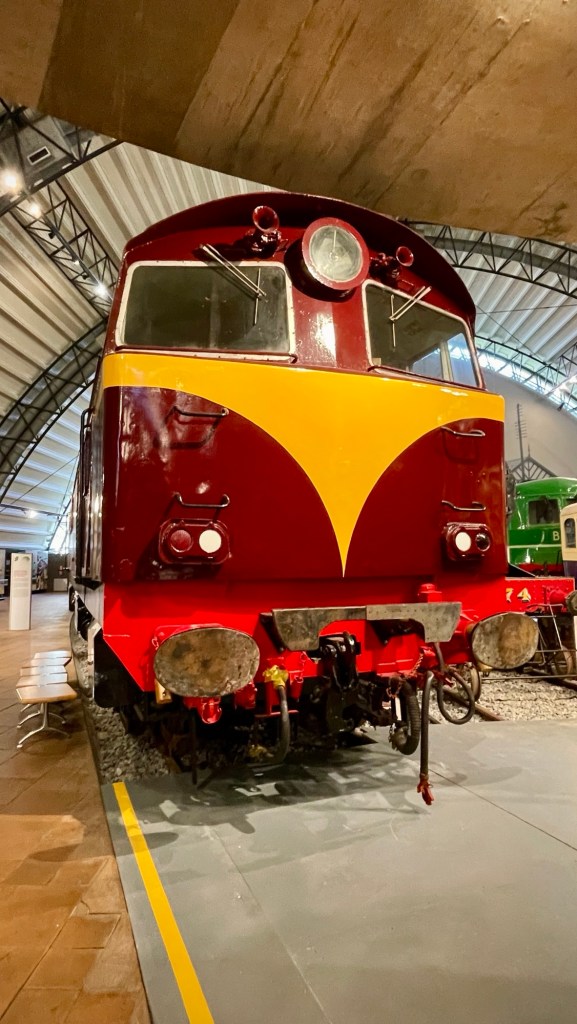
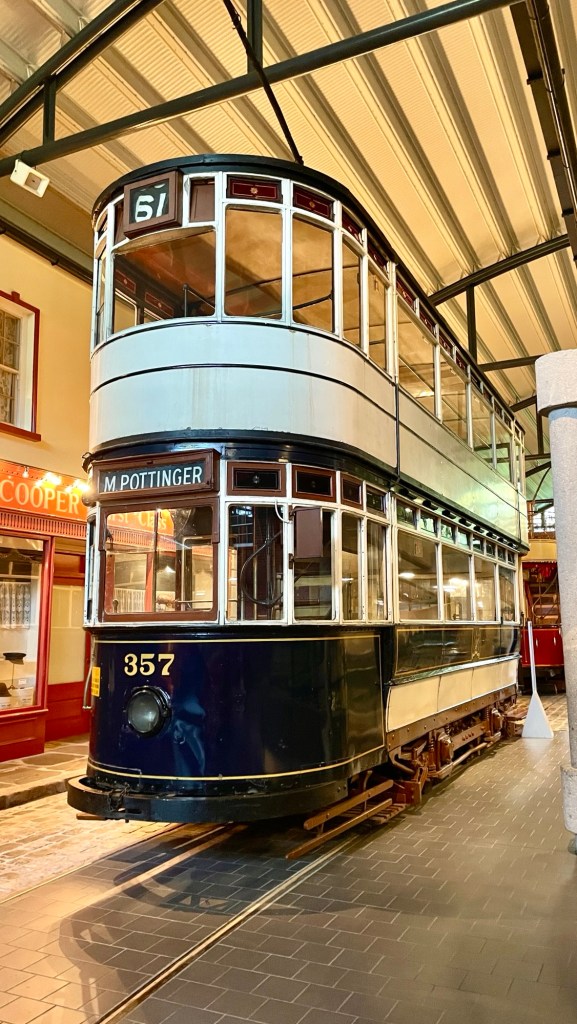
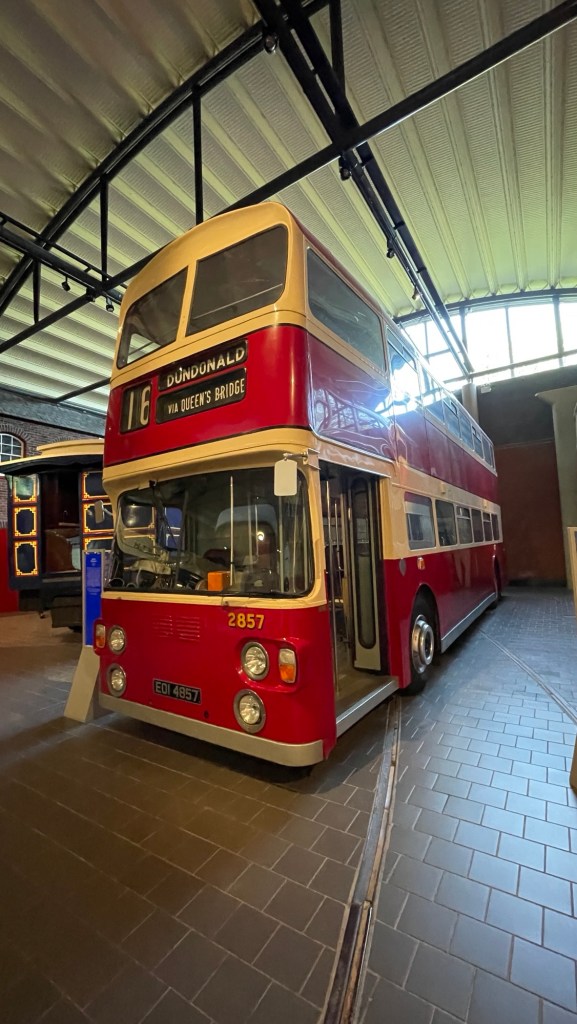
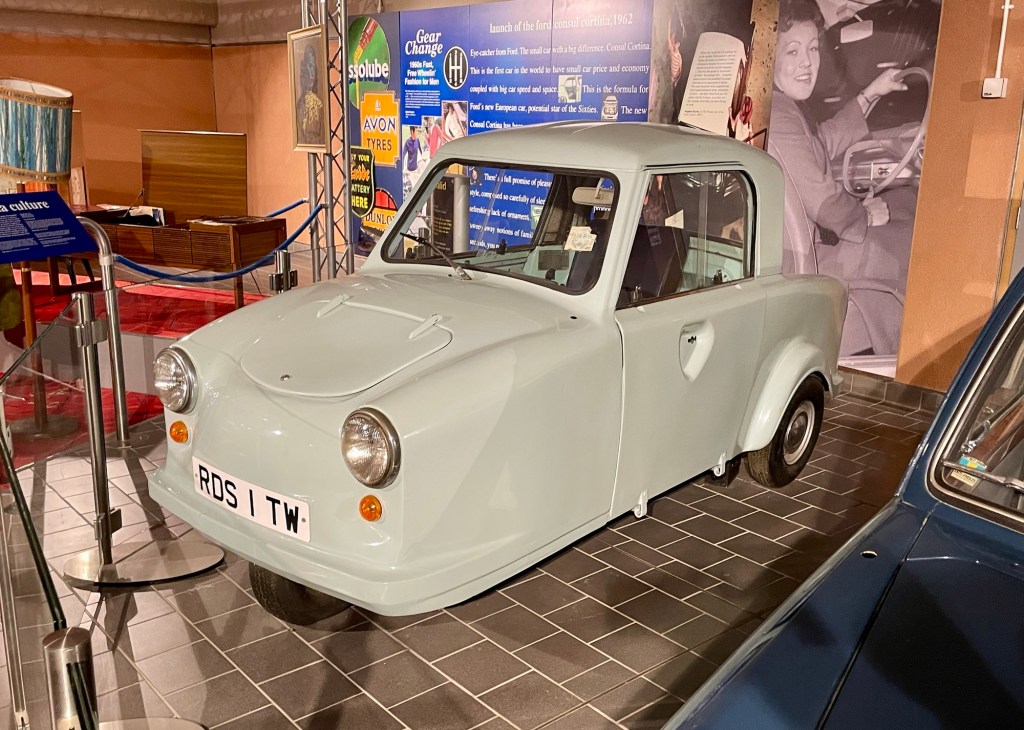
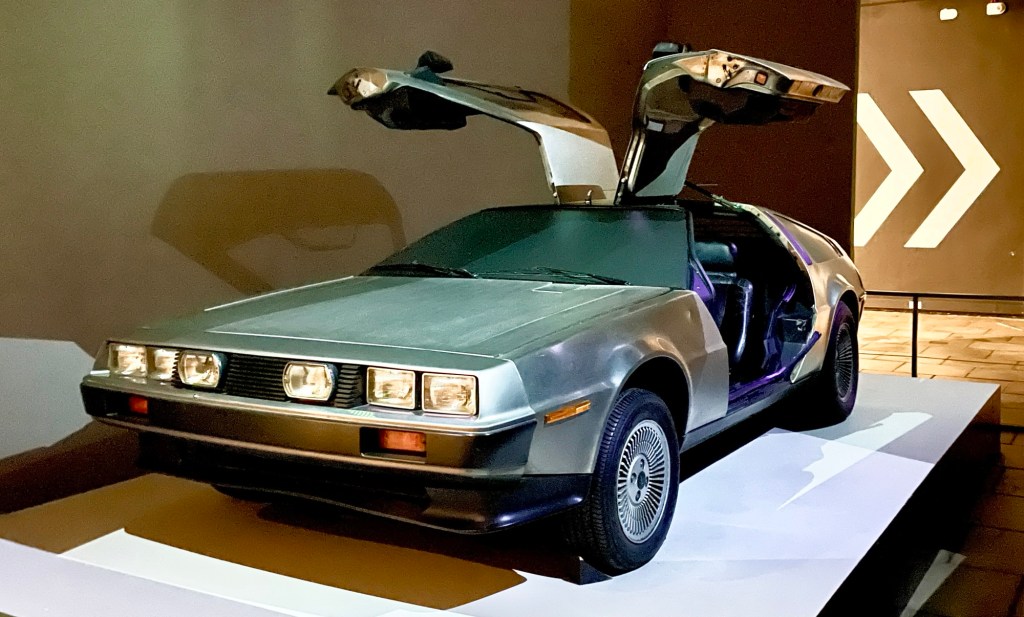
The following morning we met the other members of the MMOCYM group at the Ulster Transport Museum, which is home to a wide range of Trains, Buses, Trams, Cars, and pretty any other form of Transport with links to Ireland, including a gallery on horse-drawn vehicles and the still futuristic DMC DeLorean, which must be among some of Northern Ireland’s most famous exports.
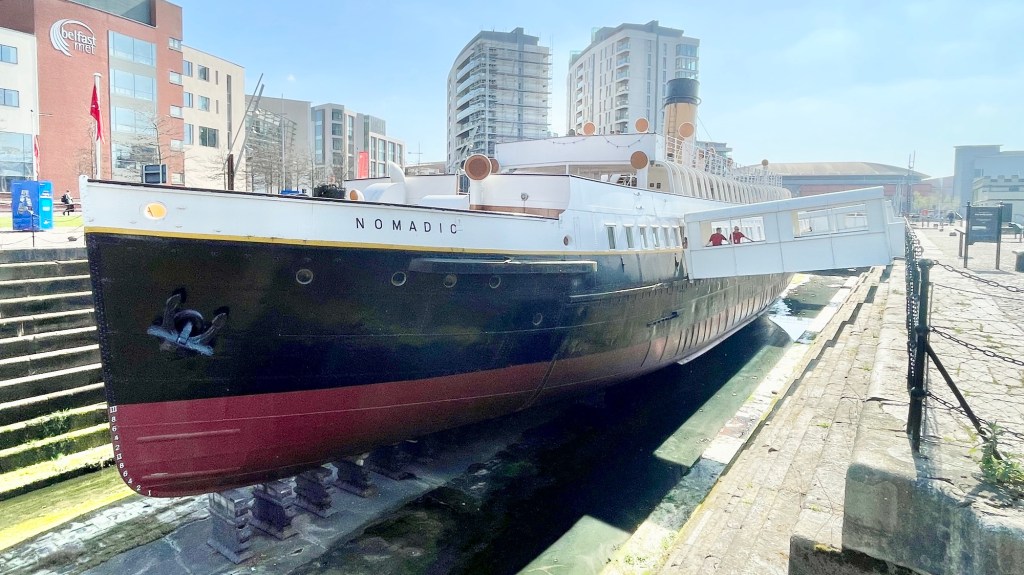
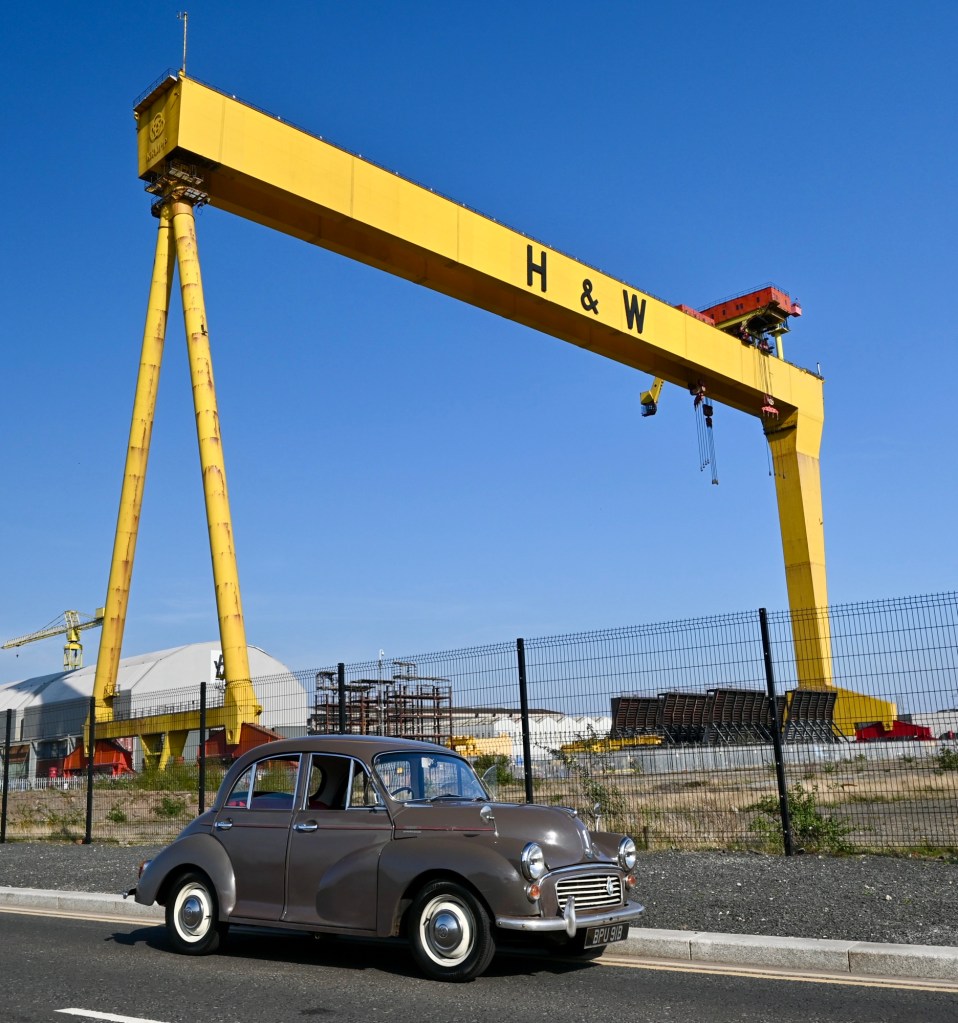
Later on, we headed to the Titanic slipway in Belfast, and were allowed to park up and display our cars in two lines right where the Titanic and numerous other Harland and Wolff ships were constructed. I’d been to the museum here before, and personally felt it was a little artifact-light. It’s a good display, but there are much larger private collections and travelling exhibitions with a lot more in terms of actual artifacts from the famous ship. That said, the museum here does tell the story of the ship very well, and is even home to SS Normadic, a tender ship used alongside RMS Titanic to load passengers and cargo in Cherbourg. Normadic is the sole remaining White Star line vessel in existence, and has been largely restored to how it would have looked in 1912, with restoration ongoing.
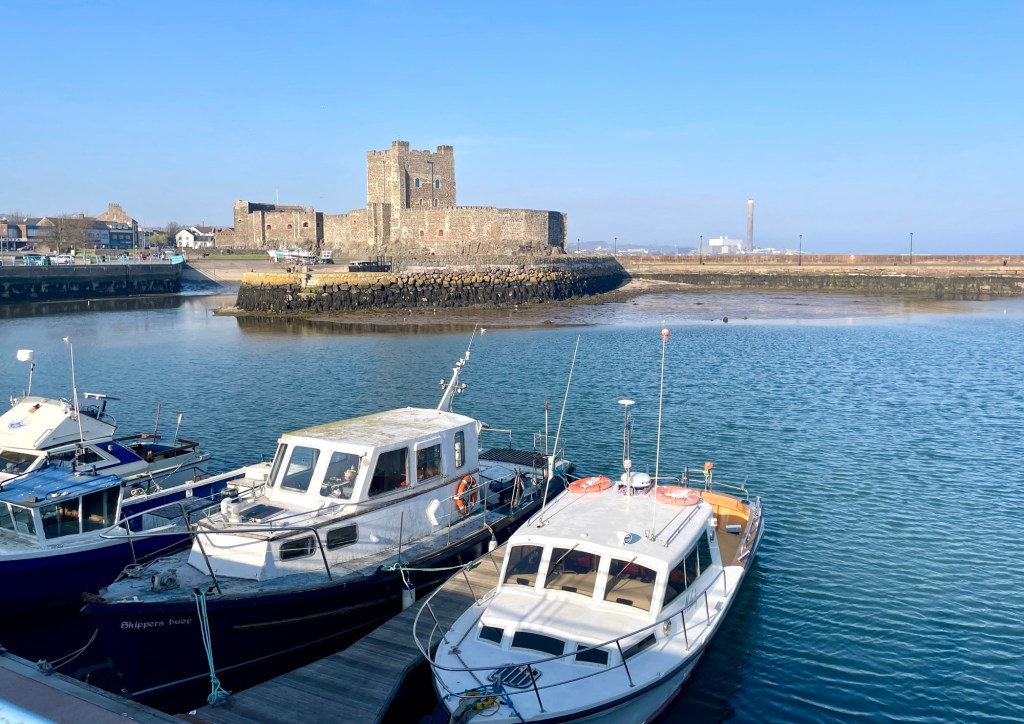
Ever loyal to the hotel chain that made Lenny Henry a household name, that evening we stayed in the Premier Inn in Carrickfergus, which is located just outside the town’s historic castle. Carrickfergus is possibly even more famous for the Brewers Fayre that can be found here.
Goliath, one of the two iconic Harland and Wolff cranes (the other almost identical crane named Samson is out of shot)Carrickfergus castle
Having had perfect weather and clear skies up until this point, it is typical that on the longest scenic coastal drive day it should be cloudy, but that’s how it started off. On this day we drove up along the coast, gradually heading towards the Giant’s Causeway. A small section of the coastal route was closed after Larne unfortunately, however we rejoined it just south of Glenarm.
The more traveled and better signed Causeway Coastal Route takes you inland for the last leg to the causeway, however we stuck to the true coastal road via Torr Head, which was certainly an interesting experience! The road had many twists and very steep hills. I didn’t see any signs remarking on the steepness of one particularly steep hill which caught us off guard, but some sources claim it is an 18.8% (1 in 5.3) gradient, whilst others even claim it is up to 26% (1 in 3.8)
Torr Head itself was interesting; it was home to an Admiralty lookout post, located on a high mound at the end of the headland. The derelict structure is open to the elements and can be climbed with caution, with an external ladder giving access to the roof. From here we could just about see the coastline of Scotland through the mist, and to the North West we could see Rathlin Island and its East Lighthouse flashing.
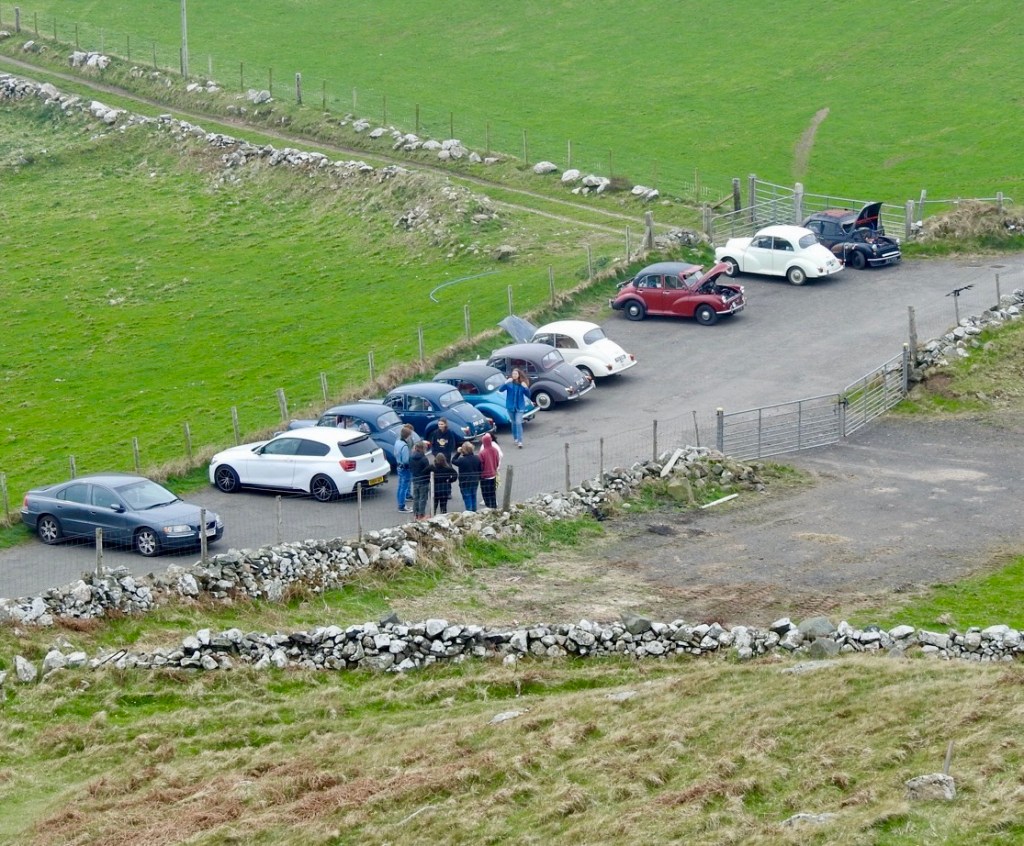
The sheer 330ft cliffs at Fair Head can be seen in the distance, with Rathlin Island obscured slightly by the mistThe cars at the bottom of the hill at Torr Head, viewed from atop the lookout station
We arrived at the Giant’s Causeway Hotel at around 1:30pm, where we had our pre-ordered dinner served to us almost immediately, before we headed down to the famous stones.
Afterwards we all headed along the clifftops a few miles to get an ice cream from Cream of the Coast in Magheracross. From here we followed a route to Buncrana, back in the Republic of Ireland, where we would spend two nights. On this section I must have followed the map incorrectly, as I seemed to get separated from the convoy immediately… Still, we found our way and arrived at the Inishowen Gateway Hotel just before it got dark.
Day four covered the Inishowen peninsula, starting at Dunree Head and it’s fort. Whilst here we spotted the rain closing in across Lough Swilly – this was the first of several showers that would continue throughout the day.
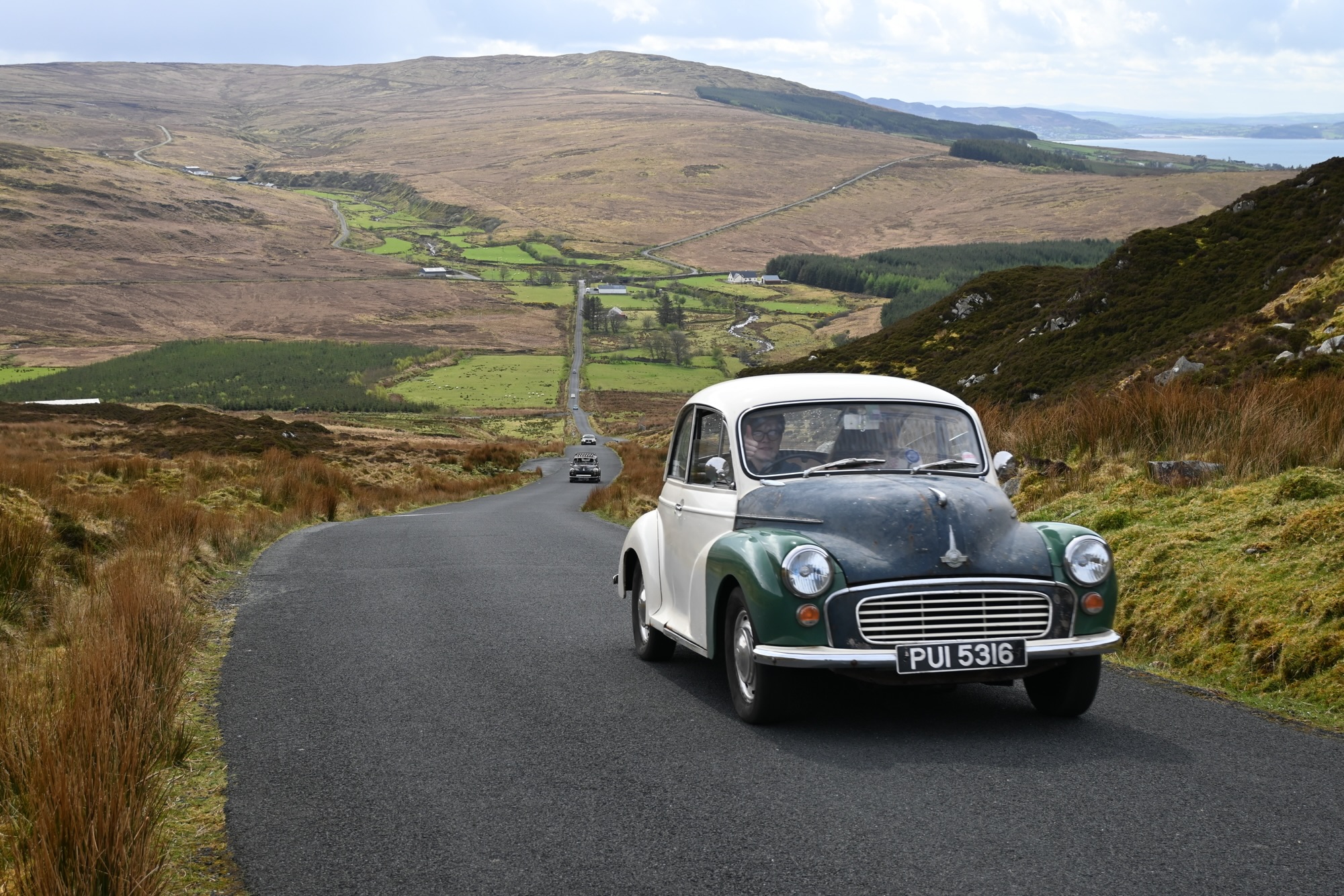
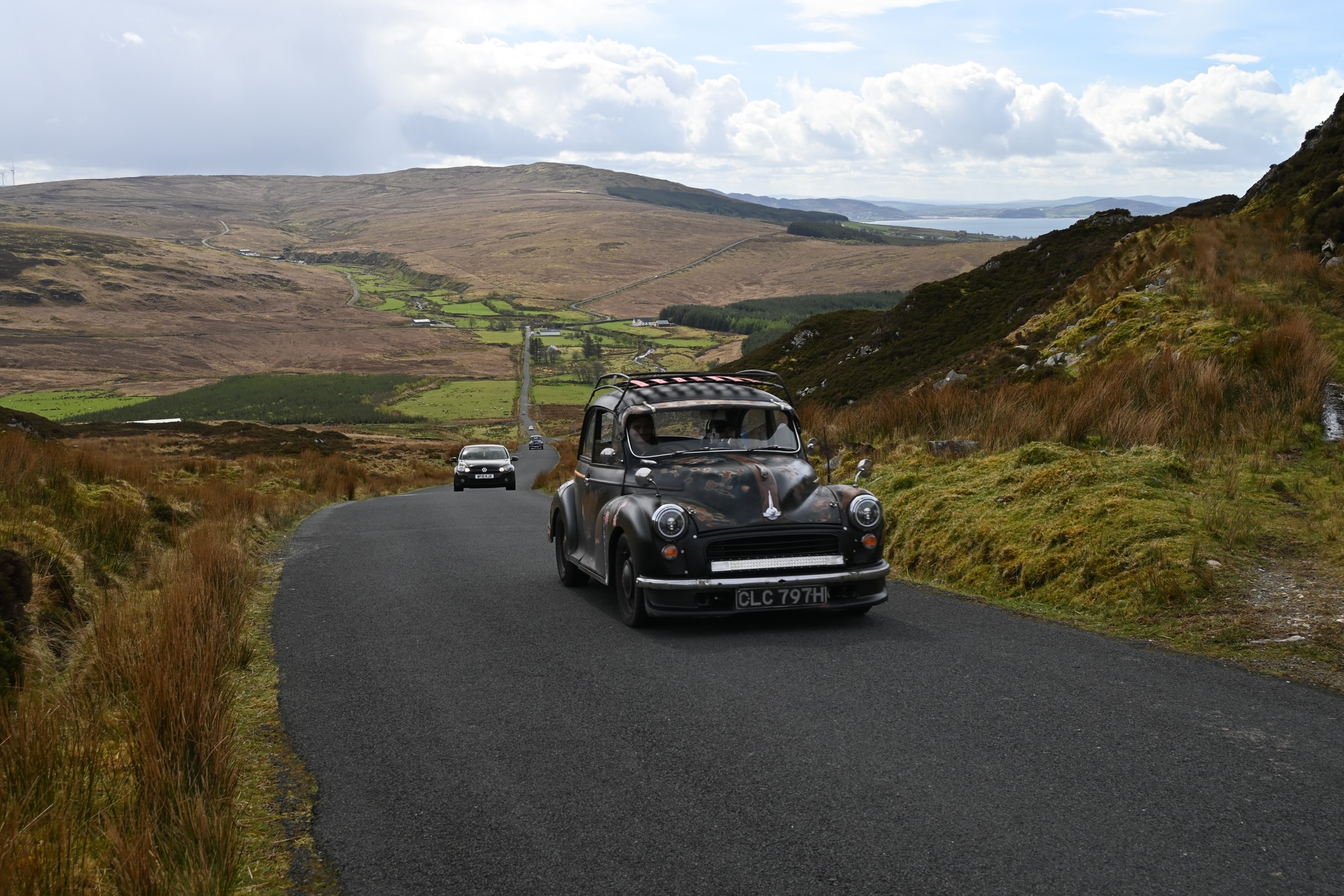
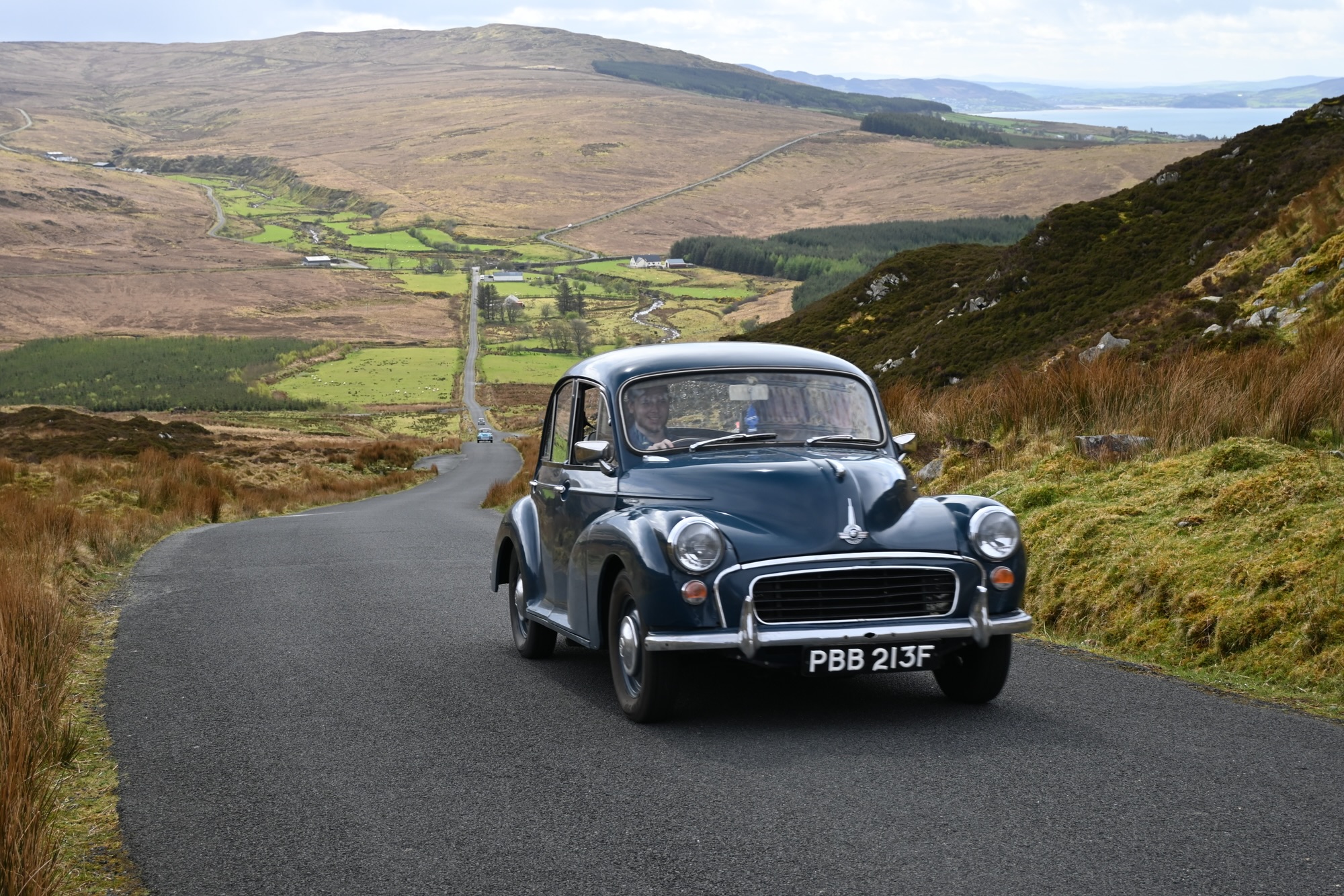
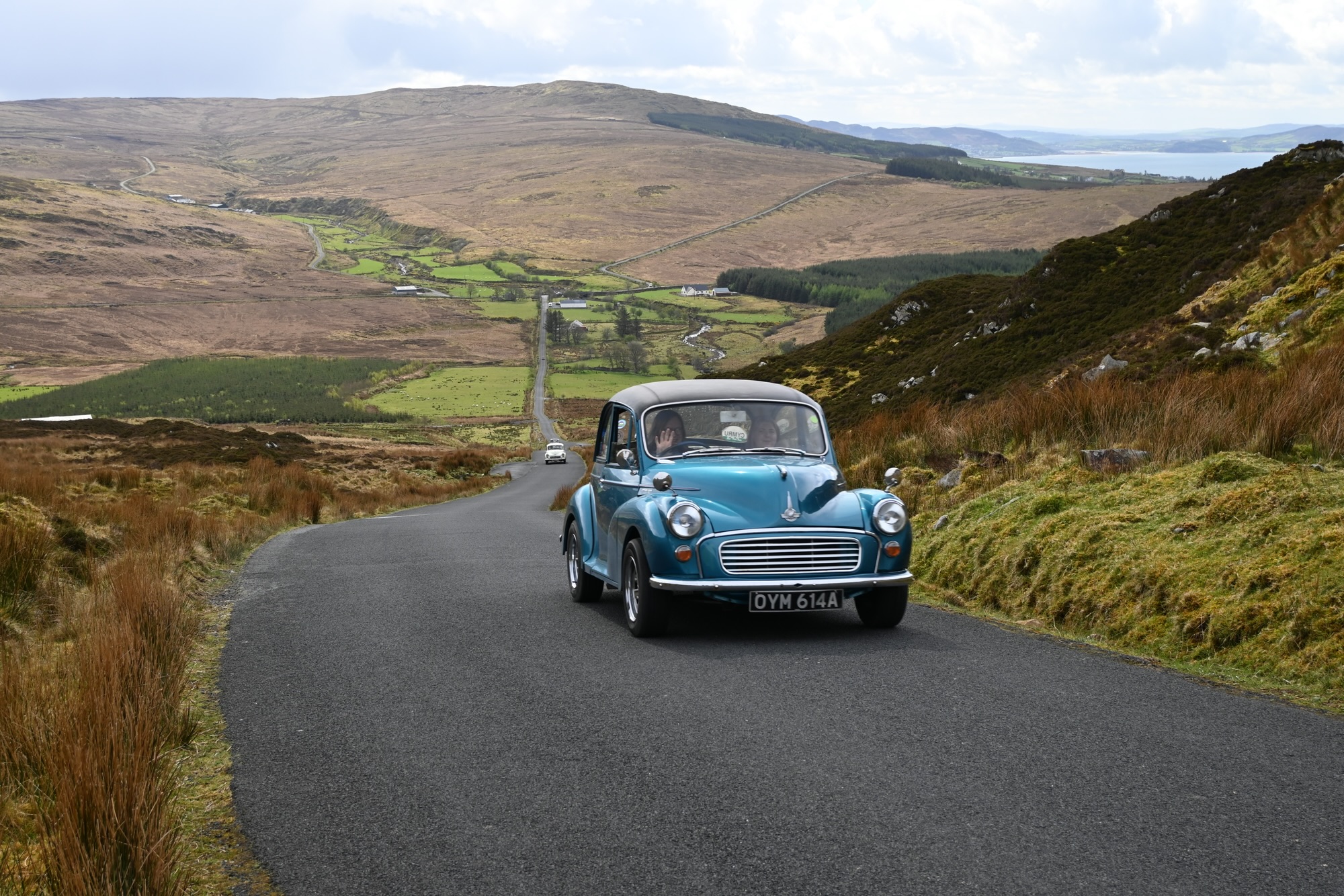
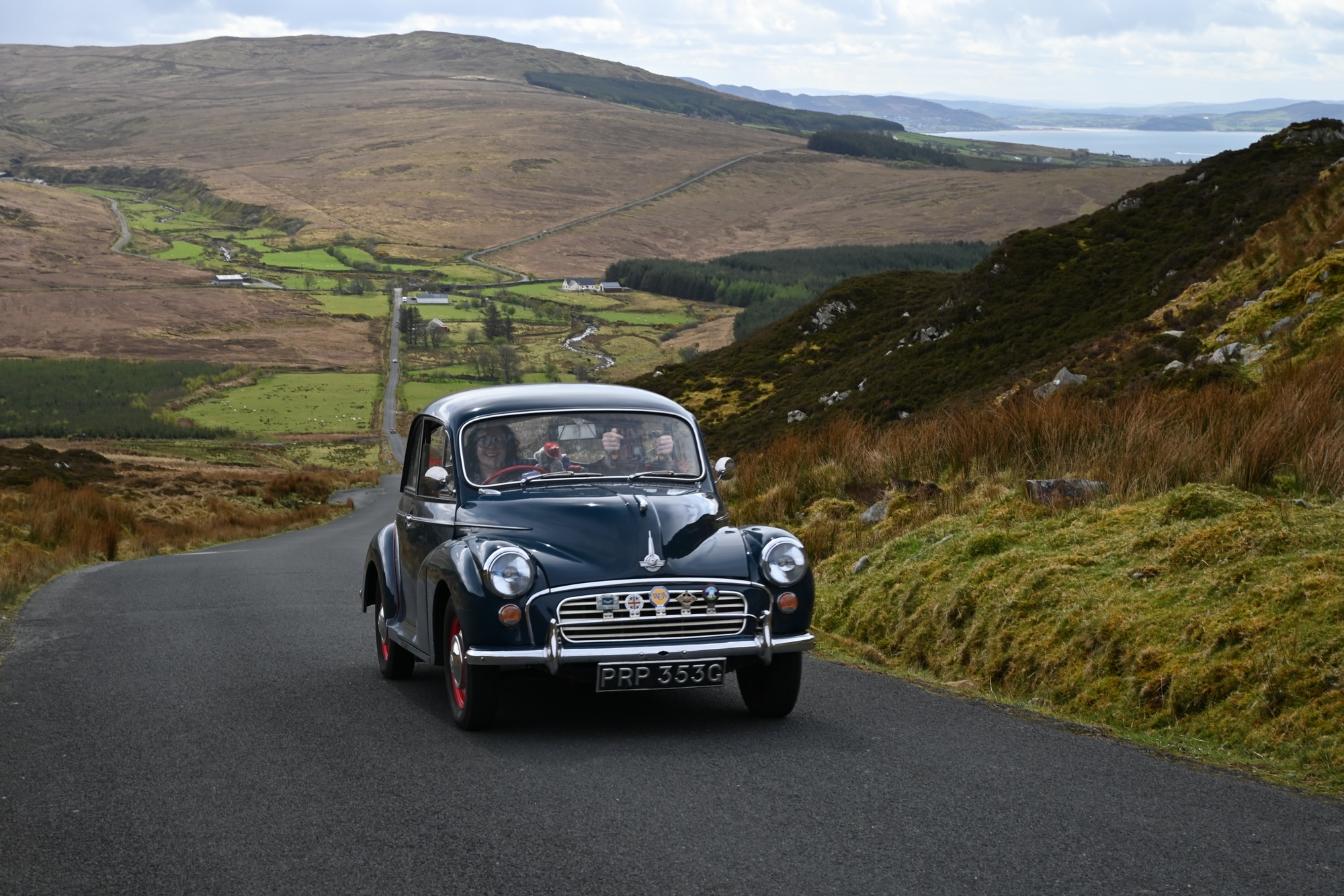
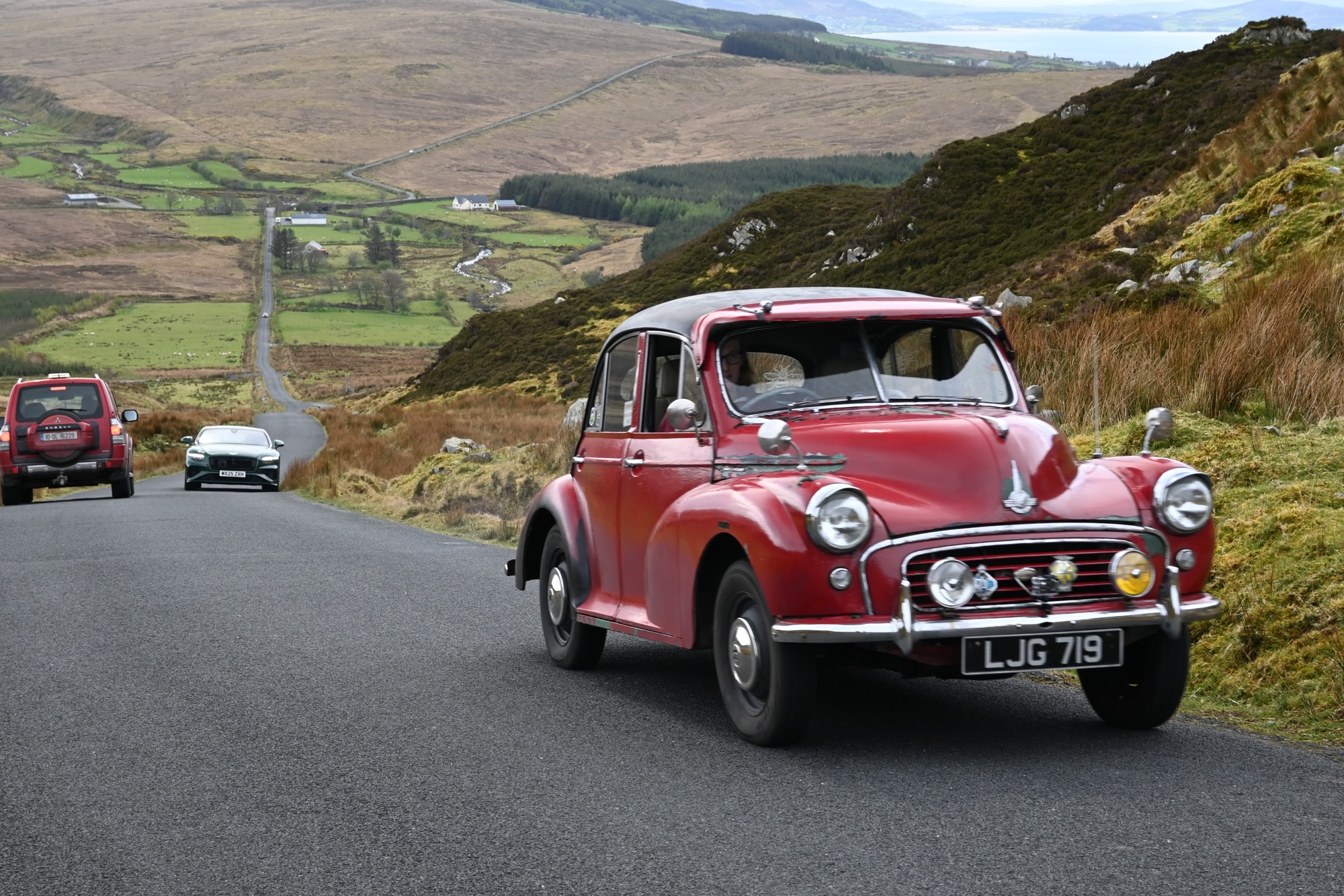
Gradually working our way clockwise around the peninsula which included yet another incredibly steep hill 18.6% at Mamore Gap. I got to the top ahead of everybody else, so got out to photograph the cars making the ascent.
DarraghJoshElliotLeuanBeccaand Andie… eventually!
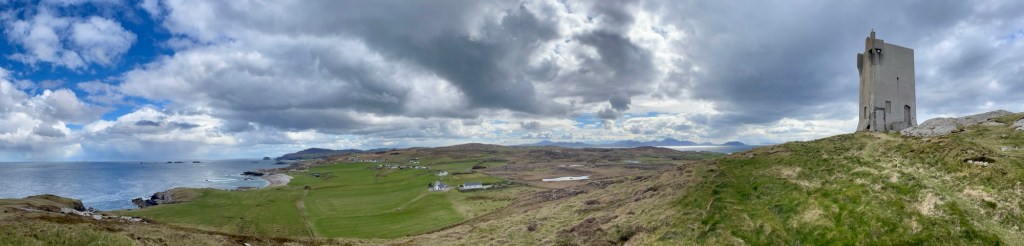
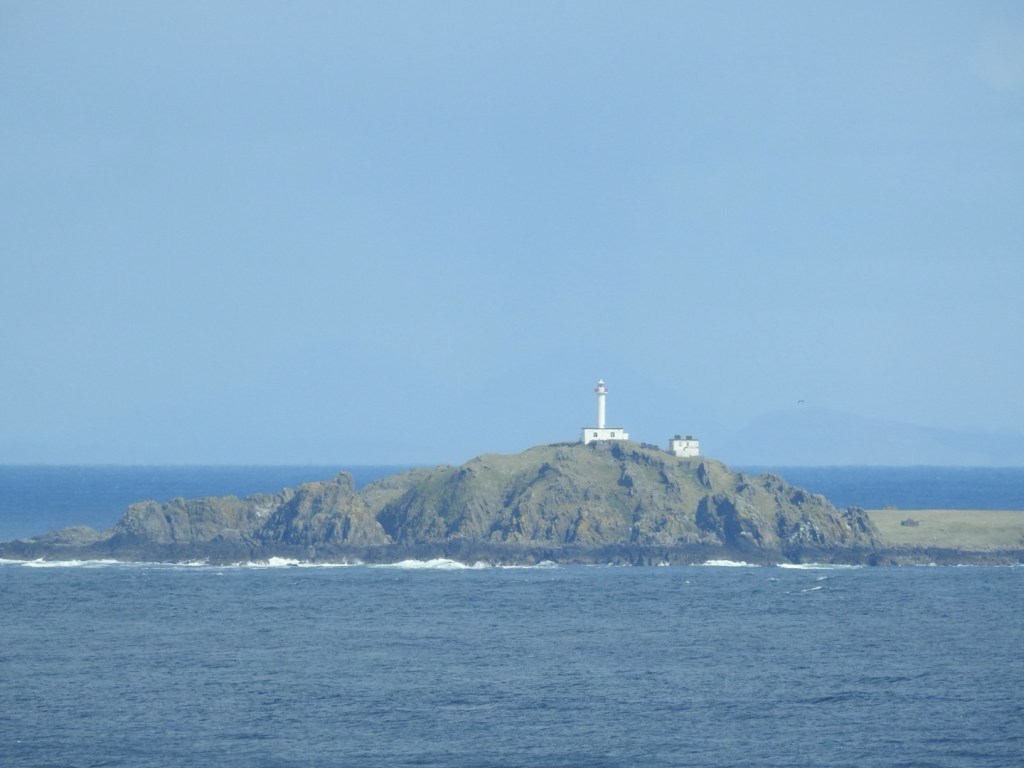
For me, the highlight of this day was reaching Malin Head – We’d made it to the Northernmost mainland point of Ireland, looking out across to Inishtrahull, the Northernmost Island of Ireland. I was surprised to find that Islay in Scotland is visible from here; somewhere I hope to visit in 2026.
The long abandoned Lloyds signal tower at Malin Head
A panorama of Malin Head and its surroundingsThe Eire sign, with Inishtrahull in the distance.Inishtrahull is the furthest north island in all of Ireland.
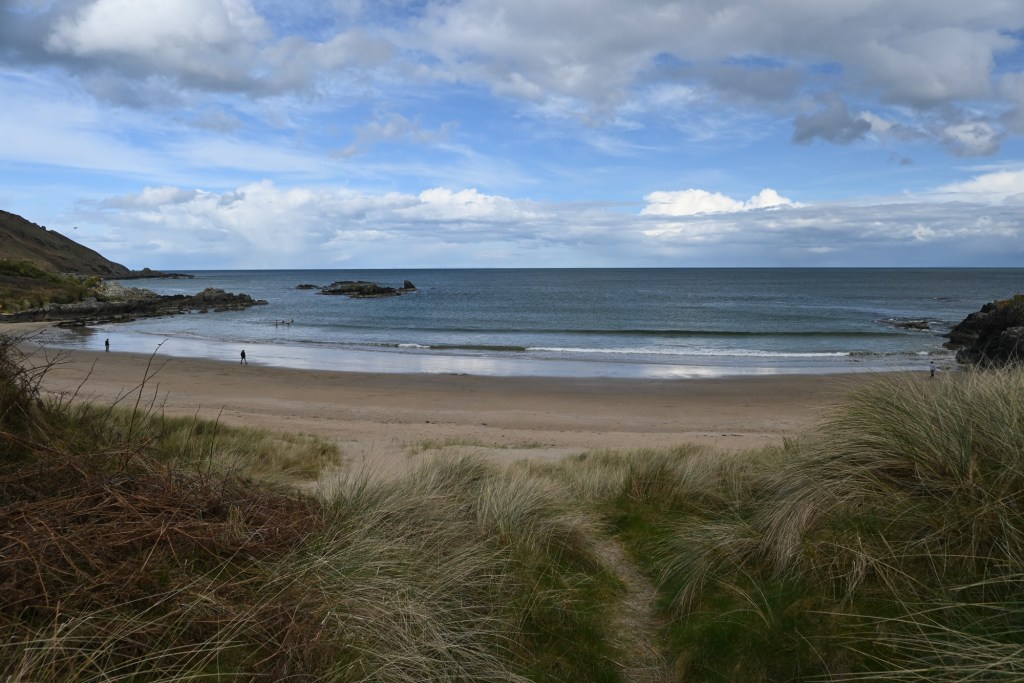
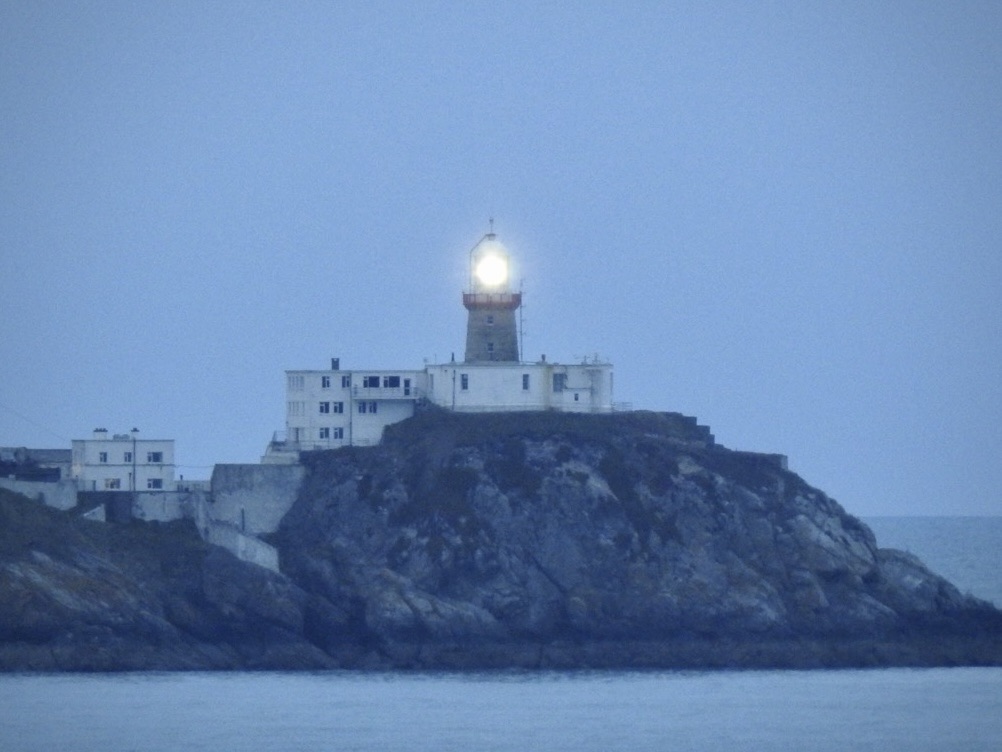
After this point we broke away from the main group for a couple of hours to complete the route around the entire Inishowen peninsula, stopping at Stroove beach in Moville and ticking off a few more lighthouses of Ireland.
Stroove BeachInishowen Lighthouse
In the evening we all regrouped and went to an Indian restaurant in Buncrana.
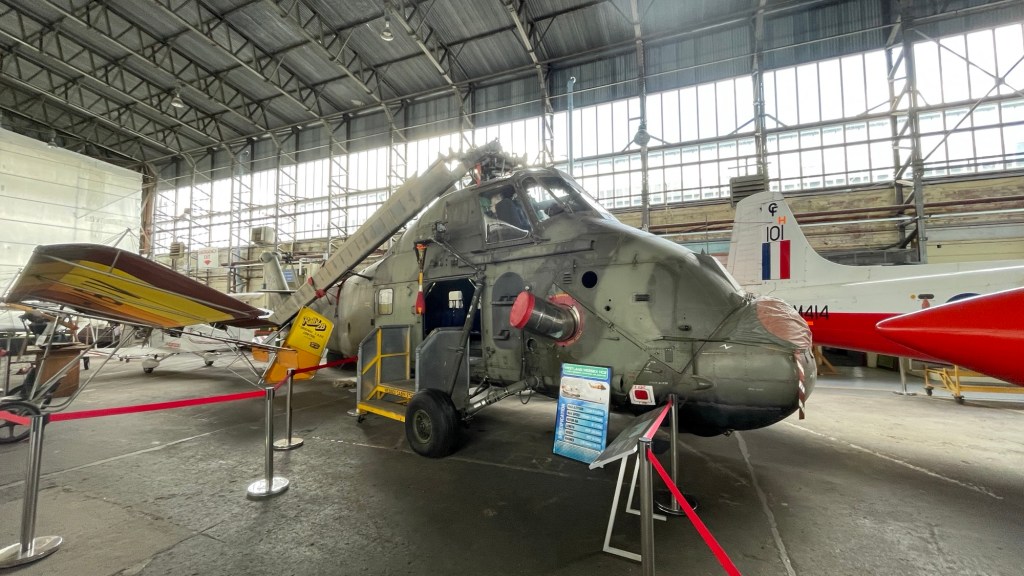
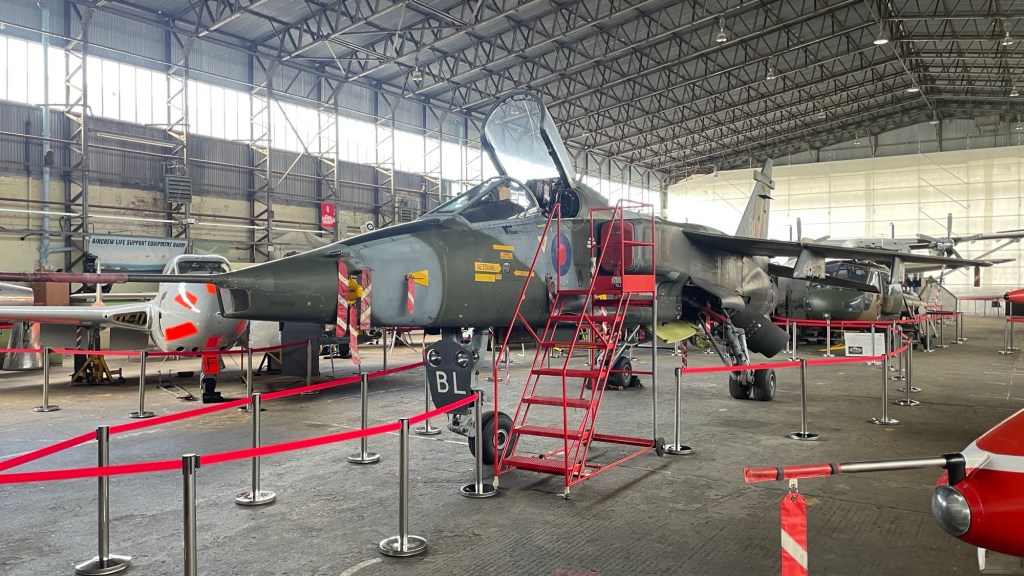
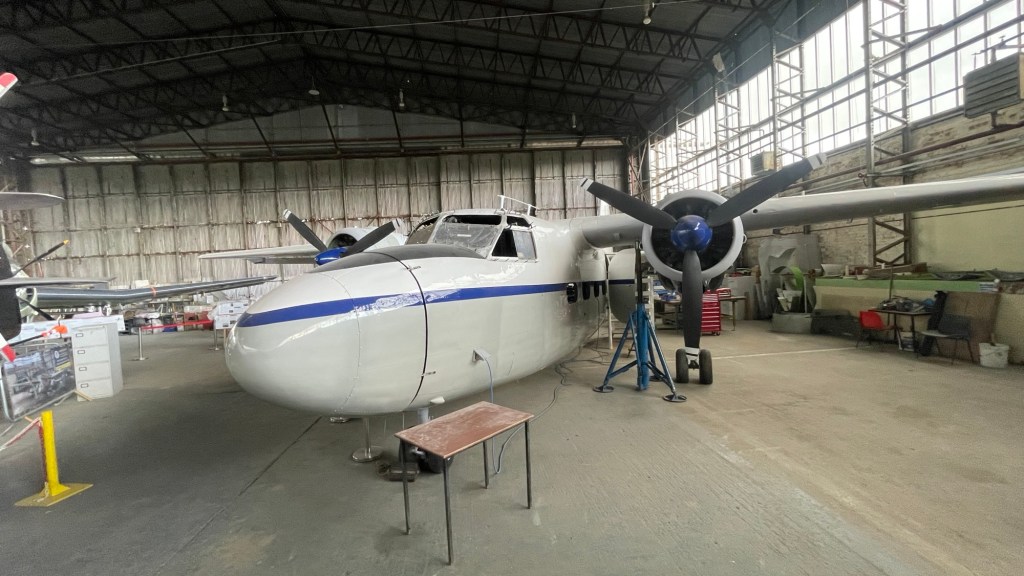
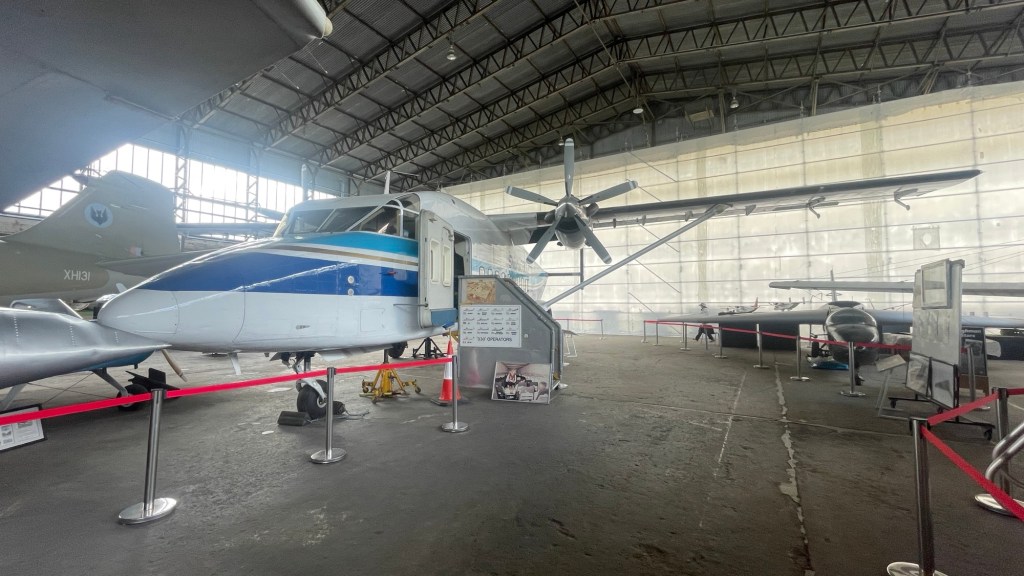
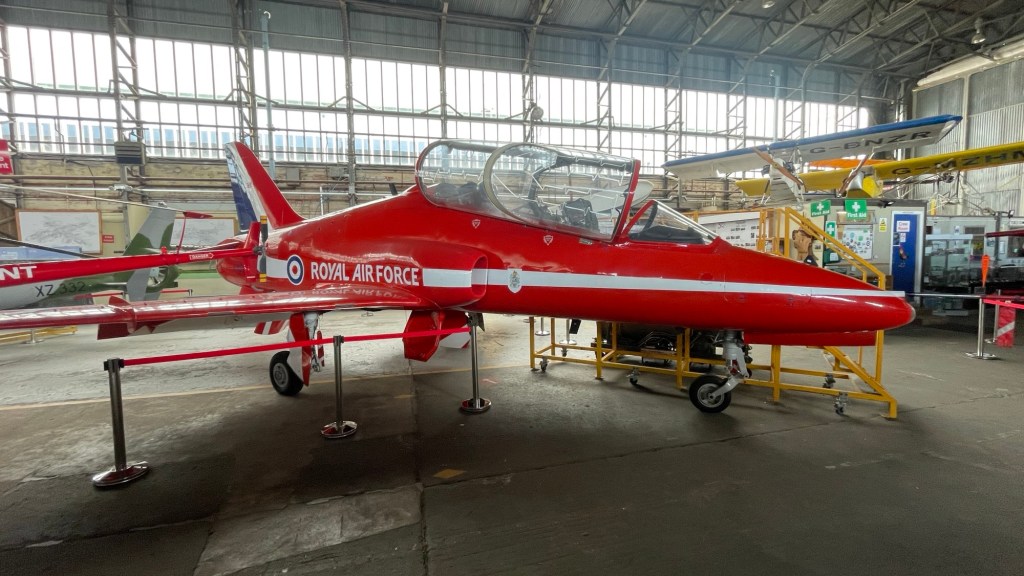
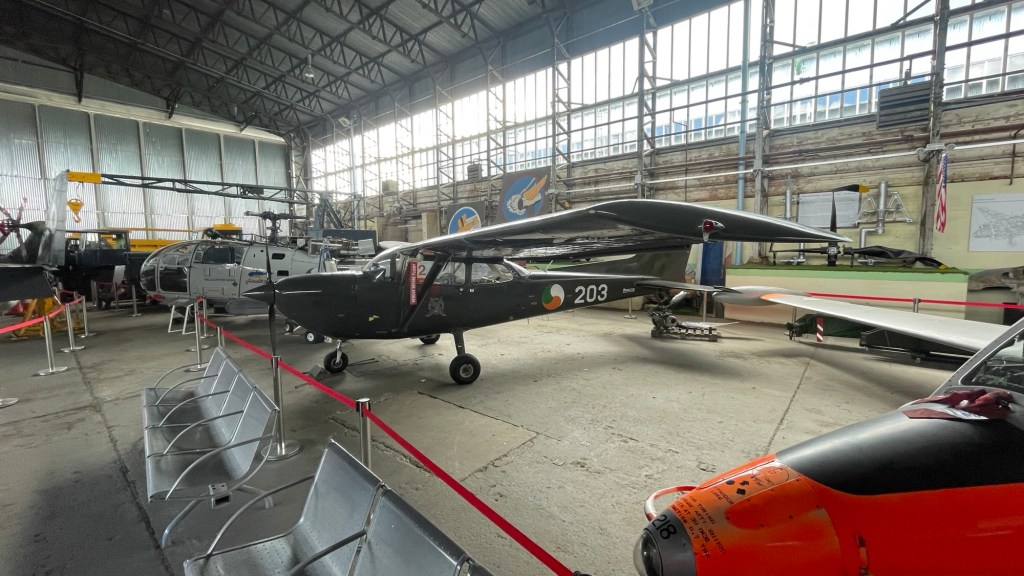
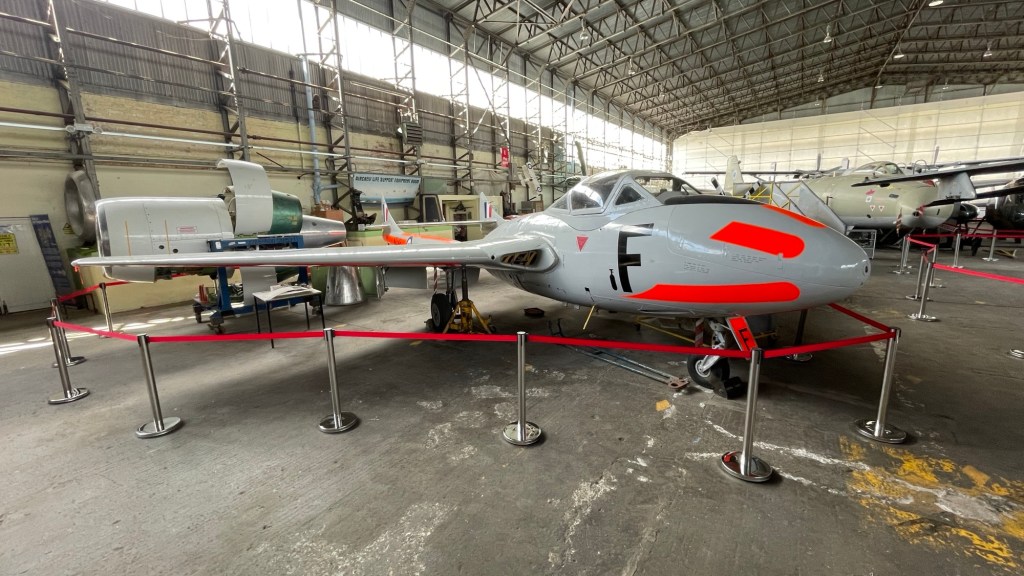
The next day was the start of the long but gradual journey home, stopping off at the Ulster Aviation Society, which is located opposite HMP Long Kesh.
The museum is a large and varied collection of helicopters, planes and other interesting pieces including bombs, models, uniforms and much more stored in two hangars which are being restored. The volunteers here work to preserve and restore all of the aircraft here, and gave us a tour and a talk about the history of RAF Long Kesh and Northerm Ireland’s role in WWII.
The cars lined up outside the newly replaced hangar doors of the Ulster Aviation Society’s base at former RAF Long Kesh
Nando’s was our next stop, from which we all went our seperate ways. That evening we headed down to Dundalk to get the bulk of the remaining Irish leg of the journey home out of the way.
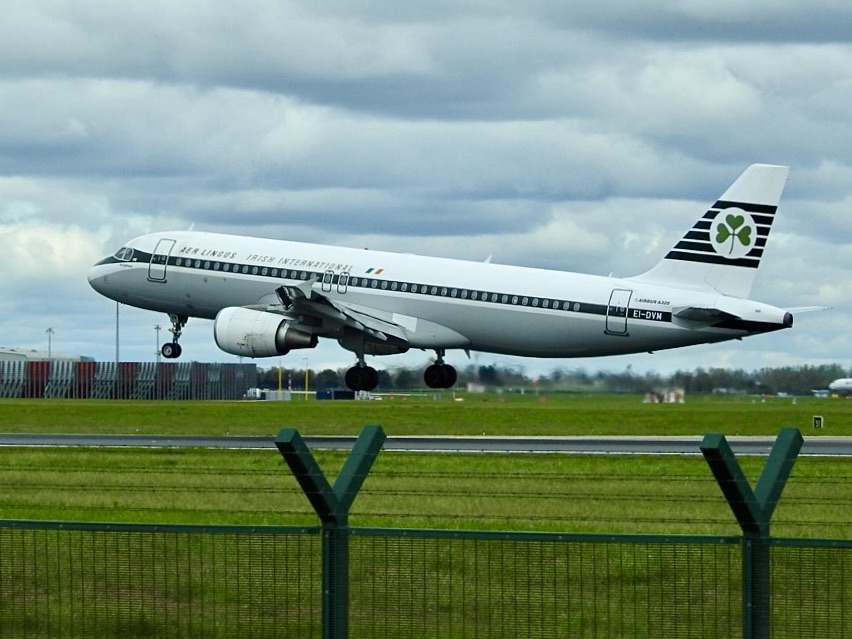
On our last day in Eire we first visited Dublin Airport for a bit of plane watching, where we saw the heritage livery Aer Lingus A320 coming in to land, followed by a newly delivered Ryanair 737 max 8 coming in from Seattle, and even an emergency divert.
EI-DVM painted up to look like an aircraft of the 1970sEI-IKZ, practically new, arriving from Seattle where it was built by Boeing
Then onto the Guinness storehouse tour, which was okay. It’s worth noting that whilst it isn’t the priciest tour I’ve ever been on, the cost of two tickets was literally more than the rates Guinness pays to the city of Dublin each year for the land their brewery is on.
I kind of expected a tour of a functioning factory building, maybe seeing the production line from behind a glass screen or something – in my opinion as a non drinker the reality was a bit gimmicky, lots of signs to read, which could just as well have been a Wikipedia article. Not as many machines as I’d have wanted to see…
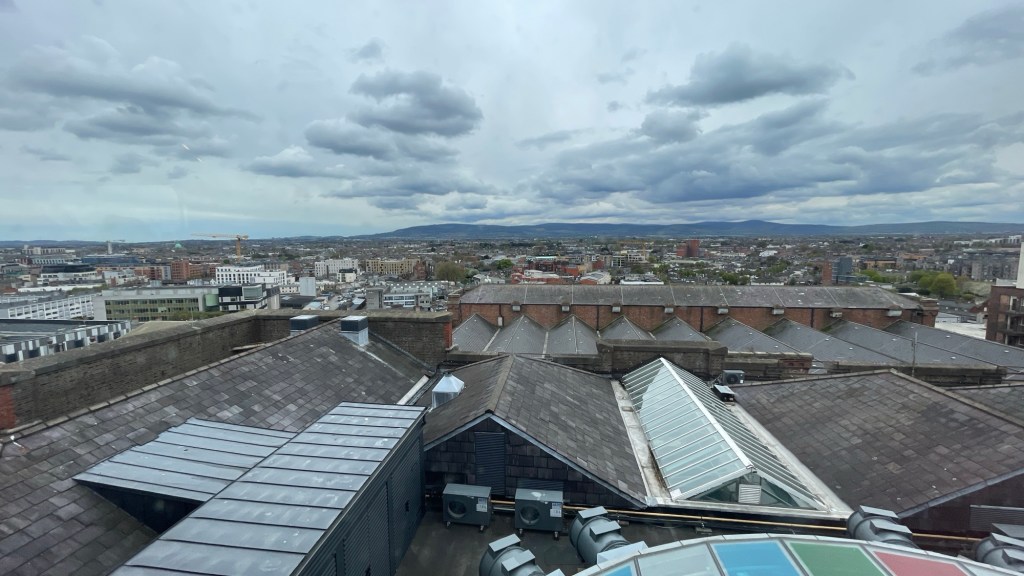
Perhaps I’m being cynical and a bit harsh about one of Dublin’s most visited attractions… but then you see the view from the rooftop bar.
Ah well – it’s ticked off the list of must-visits in Dublin now. Before long it was time to head to the ferry, back onto MV Ulysses and back to Anglesey, where we were staying that night.
Docking late and having to wait over an hour to disembark due to rough seas, we stayed in Holyhead that night, ever loyal to Premier Inn, and returned home the following day. In total, the trip was 1243.2 driving miles in just 7 days, plus the approximately 70 ferry miles in each direction. Despite the long distance and in places challenging terrain, the car performed almost flawlessly, only suffering a fault with the fuel gauge on the last day in Ireland.


















 morrisminor.uk
You must be logged in to post a comment.